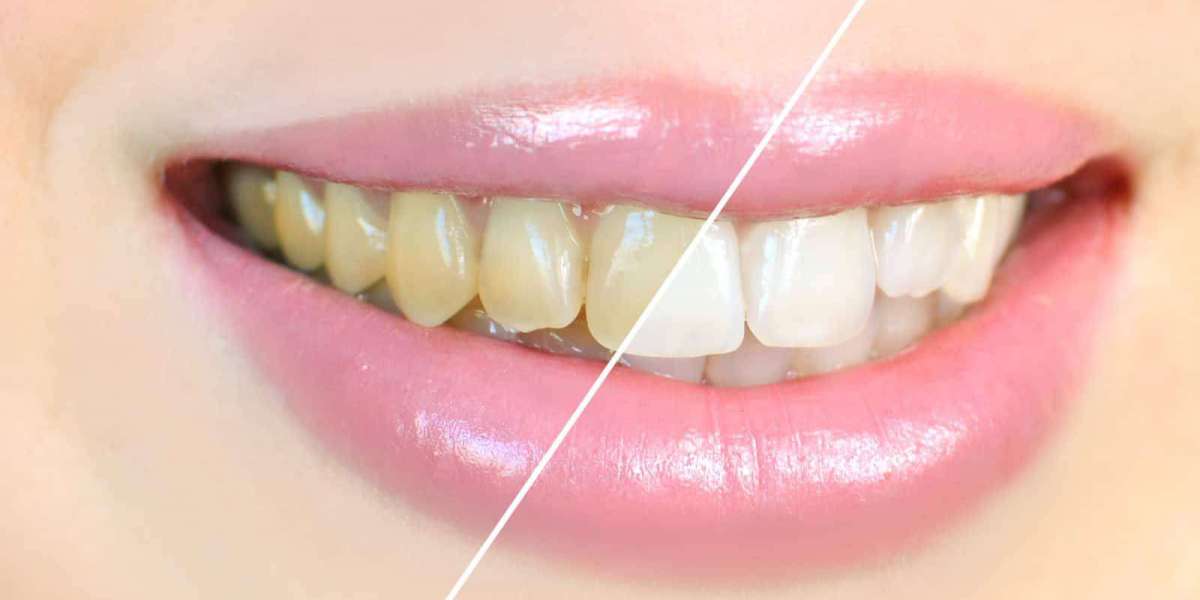

Deep tooth stains can be difficult to improve, especially when they develop inside the tooth rather than only on its surface. While professional whitening can reduce many types of discoloration, the results depend on the cause and severity of the staining. A consultation at a trusted dental clinic in Dubai can help identify whether your stains are external or intrinsic and determine the most suitable cosmetic approach. If you are considering Teeth Whitening Dubai, understanding the difference between surface and deep discoloration can help you set realistic expectations before treatment.
What Are Deep Teeth Stains?
Deep stains, also called intrinsic discoloration, develop within the internal structure of a tooth.
Unlike surface stains caused by coffee or tea, intrinsic discoloration may be linked to factors such as aging, dental trauma, certain medications, or changes that occurred while the teeth were developing.
Because the discoloration is located deeper within the tooth, it may respond differently to conventional whitening.
Surface Stains vs Deep Stains
Understanding the type of staining is important when choosing a treatment.
Surface Stains
Surface stains develop on the outer surface of the teeth.
Common causes include coffee, tea, tobacco, cola, and strongly pigmented foods.
Professional cleaning and polishing may help remove certain external stains. Professional whitening may also improve the appearance of natural teeth affected by some types of surface discoloration.
Deep or Intrinsic Stains
Intrinsic stains occur within the tooth structure.
They may result from aging, dental trauma, certain medications, or other factors affecting tooth development.
These stains can be more challenging to treat and may not respond completely to conventional whitening.
Can Professional Whitening Remove Deep Stains?
Professional whitening may improve some types of intrinsic discoloration, but the outcome varies considerably.
The effectiveness depends on the underlying cause, severity, and condition of the teeth.
Some deep stains may become lighter after professional treatment, while others may remain partially visible.
A dental examination is important before treatment because your dentist can determine whether whitening is likely to provide the improvement you want.
Deep Stains Caused by Aging
As people age, tooth enamel naturally becomes thinner.
The dentin underneath has a naturally darker, yellowish appearance. As more dentin becomes visible through thinner enamel, teeth may appear darker.
Professional whitening can help improve certain age-related discoloration, although it cannot reverse the natural changes associated with aging.
Deep Stains Caused by Dental Trauma
A tooth that has experienced an injury may sometimes become darker over time.
This type of discoloration can develop inside the tooth and may require a detailed dental examination.
In some cases, conventional external whitening may not provide the desired improvement.
Your dentist can assess the affected tooth and recommend the appropriate treatment based on its health and the cause of the discoloration.
Medication-Related Discoloration
Certain medications can cause intrinsic tooth discoloration when exposure occurs during tooth development.
This type of staining may be more resistant to conventional whitening.
Depending on the severity, your dentist may discuss professional whitening or alternative cosmetic procedures that can provide more predictable aesthetic results.
Fluorosis-Related Discoloration
Dental fluorosis can cause changes in tooth appearance, ranging from mild white marks to more noticeable brown discoloration.
The appropriate treatment depends on the severity and appearance of the affected teeth.
Whitening may help in some cases, but it may not completely remove all fluorosis-related changes.
Your dentist can recommend a suitable cosmetic approach after evaluating your teeth.
Can Professional Cleaning Remove Deep Stains?
Professional cleaning is effective for removing plaque, tartar, and certain surface deposits.
However, cleaning cannot generally remove discoloration that exists within the internal tooth structure.
If your teeth remain dark after professional cleaning, your dentist may recommend whitening or another cosmetic treatment depending on the cause.
Can Whitening Remove Brown or Gray Teeth?
Brown and gray discoloration can have different causes.
Some stains may respond to whitening, while others may be associated with trauma, medications, aging, or internal changes within the tooth.
The color alone does not always reveal the exact cause.
A professional dental examination can help determine whether whitening is appropriate.
What If Whitening Does Not Remove Deep Stains?
If professional whitening does not provide the desired improvement, your dentist may discuss alternative cosmetic treatments.
Dental Veneers
Veneers may be considered for certain patients with persistent discoloration.
They are designed to improve the appearance of selected teeth and can address some types of severe or resistant discoloration.
Dental Bonding
Bonding uses a tooth-colored material to improve the appearance of certain teeth.
It may be suitable for specific cosmetic concerns, although its use depends on the location and severity of the discoloration.
Dental Crowns
A crown may be recommended when a tooth has significant structural damage or requires extensive restoration.
Crowns are not simply a whitening treatment but may improve the appearance of a severely discolored tooth when clinically appropriate.
Can Whitening Make Deep Stains Look Worse?
Whitening can sometimes create a difference in shade between natural teeth and existing restorations.
For example, if you have crowns, veneers, or fillings, these materials generally do not whiten like natural teeth.
This is why discussing your dental history with your dentist before whitening is important.
A professional can help you plan treatment to achieve a more balanced overall smile appearance.
How Long Does It Take to Improve Deep Discoloration?
The treatment timeline depends on the cause and severity of the staining.
In-office whitening may provide faster visible changes, while dentist-supervised home whitening usually produces gradual results.
If alternative cosmetic treatments are required, the process may take longer because it involves additional planning and appointments.
Your dentist can provide a more accurate timeline after examining your teeth.
Is Professional Whitening Safe for Deeply Stained Teeth?
Professional whitening is generally considered safe for suitable candidates when performed appropriately.
However, patients with significant sensitivity, cavities, gum problems, or damaged teeth may require dental care before whitening.
Your dentist can determine whether your teeth are healthy enough for cosmetic treatment and recommend an appropriate approach.
How to Prevent New Stains
While you cannot prevent every type of intrinsic discoloration, you can reduce many external stains through good lifestyle habits.
Brush twice daily with fluoride toothpaste and clean between your teeth regularly.
Limit frequent consumption of coffee, tea, tobacco, and highly pigmented foods.
Drinking water after meals and beverages can also help reduce prolonged exposure to staining substances.
Regular dental checkups and professional cleaning can further support your oral hygiene.
How Much Does Teeth Whitening Cost in Dubai?
The cost depends on the treatment method, dental provider, products used, and complexity of your case.
In-office whitening and dentist-supervised home whitening may have different prices.
If deep discoloration requires alternative cosmetic treatment, the overall cost may be higher.
Ask your dental provider for a personalized treatment plan and complete cost estimate before starting.
How to Choose the Right Treatment for Deep Stains
The right solution depends on the underlying cause of discoloration.
Professional cleaning may be suitable for surface stains, while whitening may help certain types of natural tooth discoloration.
Persistent intrinsic stains may require cosmetic alternatives such as veneers or bonding.
A qualified dental professional can assess your teeth and explain the benefits and limitations of each option.
Final Thoughts
Professional whitening can improve many types of tooth discoloration, but it may not completely remove every deep or intrinsic stain. The cause of discoloration plays an important role in determining how successful whitening is likely to be.
If you are considering Teeth Whitening Dubai, start with a professional dental assessment. Your dentist can identify the type of staining, evaluate your oral health, and recommend whether whitening or another cosmetic treatment is likely to provide the results you want.
With the right treatment plan and realistic expectations, you can take effective steps toward improving the appearance of a discolored smile.