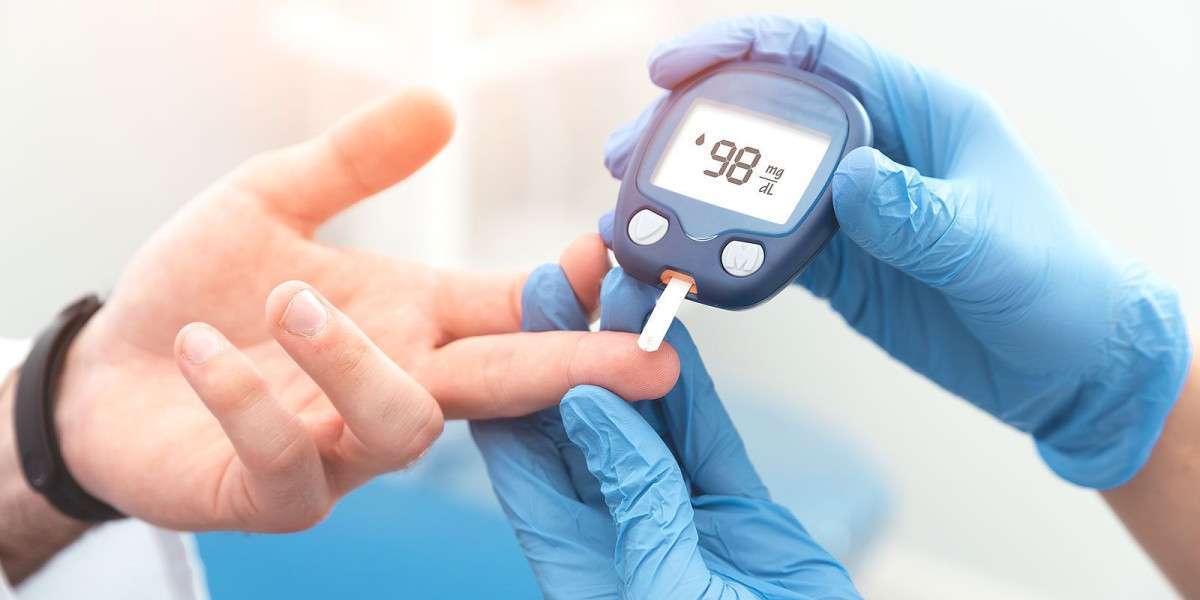

A Blood Sugar Test can provide useful information about how glucose levels change throughout the day, including around mealtimes. Food affects blood glucose, making the timing of a test important when evaluating glucose regulation. For people who need professional laboratory services, a Blood test in Dubai can provide access to appropriate glucose testing based on individual healthcare needs.
Blood sugar is influenced by many factors, including the type and amount of food consumed, physical activity, stress, medications, and overall health. Comparing measurements taken at different times may help healthcare professionals understand glucose patterns, particularly when monitoring an existing condition.
Why Does Meal Timing Matter?
When you eat, carbohydrates are broken down into glucose and absorbed into the bloodstream. As a result, blood sugar can rise after a meal.
The body normally responds by releasing insulin, which helps glucose move from the bloodstream into cells. The timing and size of a glucose response can vary between individuals.
Because meals affect blood glucose, healthcare professionals need to know when a test was performed in relation to food. A fasting measurement and a post-meal measurement provide different information and should not be interpreted in exactly the same way.
What Is a Blood Sugar Test Before a Meal?
A glucose measurement taken before eating can provide information about blood sugar at that particular point in time. Depending on the healthcare plan, this may involve a fasting measurement or a test taken before a specific meal.
A fasting test requires a defined period without food and is usually performed according to instructions provided by a healthcare professional or laboratory.
For people managing diabetes, pre-meal monitoring may also be included in an individualized glucose monitoring plan.
What Happens to Blood Sugar After Eating?
Blood glucose commonly increases after eating because the digestive system converts carbohydrates into glucose. The body then uses insulin to help regulate the amount of glucose circulating in the blood.
The size and timing of this change can depend on the meal, physical activity, insulin function, medications, and individual metabolism.
For this reason, healthcare professionals may sometimes recommend testing after meals when they need information about how glucose responds to food.
Why Is Post-Meal Testing Used?
Post-meal glucose testing can help healthcare professionals understand how blood sugar changes following food intake. It may be particularly useful for people who are managing diabetes or investigating unusual glucose patterns.
The exact timing of a post-meal test matters. Always follow the instructions given by your healthcare professional rather than choosing a testing time independently.
A Blood Sugar Test should be performed under the conditions specified for the particular assessment so that the result can be interpreted correctly.
Blood Test in Dubai for Glucose Monitoring
People who have been advised to monitor glucose around meals may seek professional laboratory services for appropriate testing. A Blood test in Dubai can provide access to blood glucose assessments depending on the service available and the recommendations of a healthcare professional.
Before testing, confirm whether the assessment requires fasting, a pre-meal measurement, or a specific post-meal timing. Proper preparation helps ensure that the result reflects the intended testing condition.
What Can Affect Glucose After Meals?
The food you eat is only one factor that can influence blood sugar after a meal. Portion size, carbohydrate content, physical activity, stress, sleep, medications, and general health can all affect glucose patterns.
For example, physical activity after eating may influence glucose levels, while illness or stress can also produce temporary changes.
Because so many factors can affect blood glucose, one reading should not automatically be treated as a complete representation of a person's health.
Should Everyone Test Before and After Meals?
Not everyone needs to test their blood sugar before and after meals. The appropriate monitoring schedule depends on the person's health status and healthcare plan.
People with diabetes may receive specific instructions about when to check their glucose. Others may only require periodic laboratory testing for screening or health assessment.
Testing more frequently than recommended is not necessarily more useful. It is better to follow a monitoring plan designed around your individual circumstances.
Understanding Your Results
The meaning of a glucose reading depends on when the test was performed and which type of test was used.
A fasting glucose measurement, pre-meal reading, and post-meal reading cannot simply be compared without considering their different testing conditions.
Healthcare professionals may review multiple readings over time to identify patterns. If a result is unexpected, they may recommend repeat testing or another assessment.
Blood Sugar Testing and Diabetes Management
For people living with diabetes, monitoring glucose around meals may help provide information about how food, medication, and physical activity affect blood sugar.
However, monitoring requirements vary significantly between individuals. Some people may need frequent testing, while others may use different approaches depending on their treatment.
Any changes to diabetes medication or treatment should be discussed with a qualified healthcare professional rather than based on a single glucose reading.
Healthy Eating and Glucose Management
A balanced eating pattern can support overall health and healthy glucose management. Paying attention to portion sizes, food choices, physical activity, and regular routines may be helpful.
People with diabetes should follow the nutritional and treatment guidance provided by their healthcare team. Individual dietary needs can differ, so general advice should not replace personalized medical guidance.
When Should You Seek Professional Advice?
If your glucose readings repeatedly differ from the pattern discussed with your healthcare provider, it is worth seeking professional advice. Persistent symptoms such as unusual thirst, frequent urination, unexplained weight changes, or ongoing tiredness should also be discussed with a healthcare professional.
A provider can determine whether further glucose testing or another type of evaluation is appropriate.
Final Thoughts
A Blood Sugar Test before or after meals can provide different information about glucose regulation. The timing of testing is important because food naturally influences blood sugar, and other factors can affect the result as well.
If you have been advised to monitor glucose or need a Blood test in Dubai, follow the testing instructions provided by your healthcare professional or laboratory. Reviewing your results with a qualified provider can help you understand glucose patterns and determine whether additional monitoring is needed.