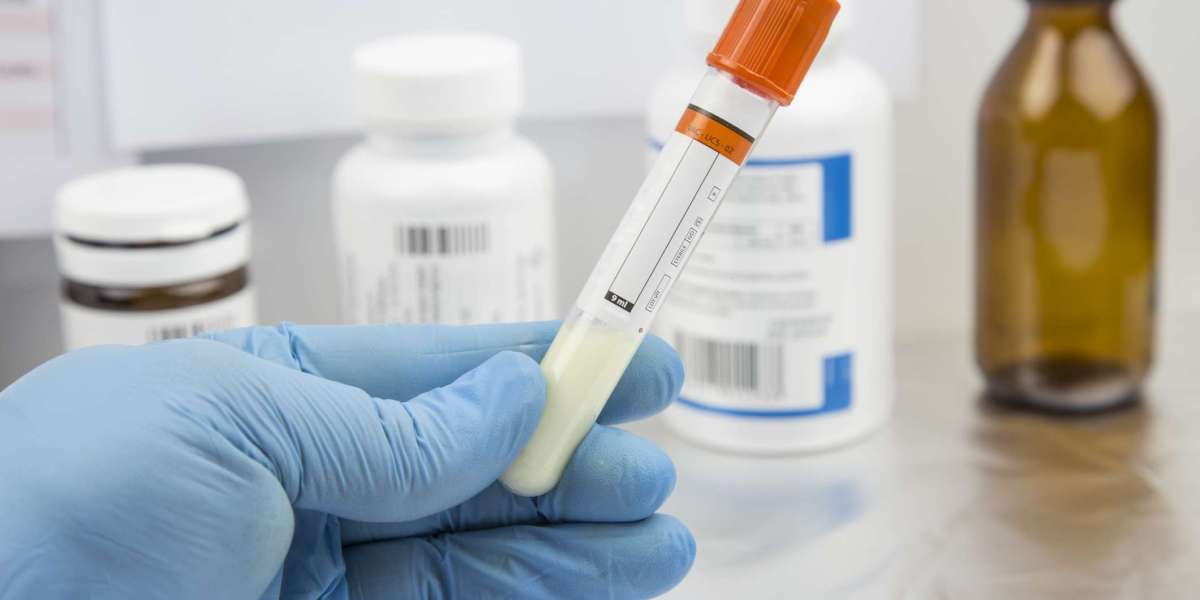

Receiving the results of a Semen Analysis Test can bring relief, uncertainty, or a mixture of both. You may see measurements for sperm count, motility, morphology, and semen volume without knowing what they mean for your reproductive health. Even when the report appears normal, you may wonder whether it provides a complete picture of your fertility.
A Semen Analysis Test in Dubai is an important investigation used to evaluate male reproductive health, particularly when a couple is experiencing difficulty conceiving. However, the results need to be interpreted in context. One measurement rarely tells the whole story, and an abnormal result does not automatically mean infertility.
Your follow-up appointment is an opportunity to understand the findings, discuss possible causes, and decide whether additional testing or treatment is appropriate. Knowing which questions to ask can help you leave the consultation with a clearer plan.
This guide covers the most useful questions to discuss with your doctor after a Semen Analysis Test, from understanding your laboratory report to planning the next steps.
Start With the Big Picture: What Do My Results Mean?
Before focusing on individual numbers, ask your doctor to explain the overall findings. This helps you understand whether the report is reassuring, whether any measurements require attention, and what the results mean in your particular situation.
1. Are My Semen Analysis Results Normal?
Ask your doctor whether your results fall within the laboratory's reference ranges and whether any findings are clinically significant.
A comprehensive semen analysis may include:
Sperm concentration: The number of sperm per millilitre of semen.
Total sperm number: The estimated number of sperm in the entire ejaculate.
Sperm motility: How effectively sperm move.
Sperm morphology: The shape and structure of sperm.
Semen volume: The amount of fluid collected.
Other characteristics: These may include liquefaction, viscosity, pH, and additional findings, depending on the test.
Laboratory reference values provide useful context, but they are not absolute boundaries between fertility and infertility. Your age, medical history, symptoms, and fertility goals may influence how your doctor interprets the report.
2. Which Results Should I Pay the Most Attention To?
If one or more measurements are outside the reference range, ask which findings matter most and why.
For example, a low sperm concentration, reduced motility, and abnormal morphology represent different findings. Each may have different possible explanations and implications.
Ask your doctor to explain the significance of each abnormal measurement rather than concentrating on a single number. This can prevent unnecessary worry and help you understand whether further investigation is needed.
Understand Your Fertility Outlook: What Do the Numbers Tell Us?
A Semen Analysis Test provides information about sperm and semen characteristics, but it cannot independently predict every aspect of reproductive potential.
These questions can help you understand what your results mean for conception.
3. Does My Report Suggest a Fertility Problem?
An abnormal semen analysis may indicate a factor that could make conception more difficult, but it does not automatically establish infertility.
Likewise, results within the laboratory's reference ranges do not guarantee pregnancy. Fertility depends on several factors involving both partners, including reproductive health, ovulation, age, and other medical considerations.
Ask your doctor how your findings relate to your personal circumstances and whether they suggest a need for further fertility assessment.
4. How Do My Sperm Count, Motility, and Morphology Work Together?
These measurements assess different aspects of sperm health.
Sperm concentration describes how many sperm are present in a given volume. Motility assesses their movement, while morphology evaluates their shape and structure.
Ask your doctor to explain how these parameters should be interpreted together. A normal sperm count, for example, does not necessarily mean that every other measurement is normal.
Understanding the complete semen profile provides a more meaningful picture than focusing on sperm count alone.
5. What Are My Chances of Natural Conception?
This is an understandable question, particularly if you and your partner have been trying to conceive.
Your doctor may be able to explain whether the findings are generally reassuring or whether certain abnormalities could affect the likelihood of pregnancy. However, a semen analysis cannot provide a precise prediction of whether or when conception will occur.
The answer depends on the complete fertility picture, including the health and circumstances of both partners. Ask whether additional evaluation would help clarify your options.
Investigate the Cause: Why Might My Results Be Abnormal?
If your report contains an unexpected finding, the next step is to understand what might explain it. Avoid assuming that one abnormal measurement points to a particular disease.
6. What Could Have Caused These Results?
Semen parameters can be influenced by a range of factors, including:
Recent fever or significant illness.
Hormonal conditions affecting sperm production.
Certain medications or medical treatments.
Smoking and heavy alcohol consumption.
Testicular or reproductive tract conditions.
Differences in abstinence duration before sample collection.
Incomplete collection or sample-handling issues.
Ask which explanations are relevant to your medical history and whether any of them require further assessment.
Your doctor may recommend a physical examination, hormone testing, or other investigations if the findings and symptoms warrant them.
7. Could the Test Conditions Have Affected My Results?
Yes. Collection conditions can influence some semen measurements, so it is worth confirming that the sample was collected and handled correctly.
Ask whether you followed the recommended abstinence period, whether the entire sample was collected, and whether there were any issues with transportation or processing.
Laboratories commonly recommend two to seven days without ejaculation before collection, although you should follow the specific instructions provided for your test.
If the sample was incomplete or preparation instructions were not followed, your doctor may consider whether repeat testing would provide more useful information.
8. Should I Be Tested for an Infection or Hormonal Problem?
A routine semen analysis may reveal findings that prompt additional investigation, but it cannot diagnose every infection or hormonal disorder.
For example, certain abnormalities or symptoms may lead your doctor to consider hormone testing, urine testing, sexually transmitted infection screening, or other targeted investigations.
Ask whether your results or medical history suggest a need for these tests. Additional investigations should be selected according to your symptoms and clinical findings rather than performed automatically.
Plan the Next Step: Do I Need Another Semen Analysis Test?
One report does not always represent a person's usual semen characteristics. Sperm measurements can vary naturally between samples, which is why repeat testing may be appropriate in some situations.
9. Should I Repeat the Test, and When?
Ask whether your results need confirmation and, if so, when you should provide another sample.
A repeat Semen Analysis Test may be recommended when the initial report is abnormal, the sample was incomplete, or the findings do not fit the wider clinical picture.
The timing depends on the reason for repeating the test. If your doctor wants to assess changes in sperm production after an illness or treatment, a longer interval may be useful because sperm development takes roughly two to three months, followed by further maturation and transport.
However, not everyone needs to wait the same length of time. Your doctor can recommend an interval based on the findings and your clinical circumstances.
10. Do I Need More Tests Before Starting Treatment?
Depending on the results, further assessment may include a physical examination, reproductive hormone tests, genetic investigations in selected cases, imaging, or specialist evaluation.
Ask which tests are necessary, what each one is intended to investigate, and how the findings could influence your care.
Understanding the purpose of additional testing can help you avoid unnecessary procedures while ensuring that significant concerns are not overlooked.
Discuss What You Can Change: How Can I Support Sperm Health?
Lifestyle changes may support general and reproductive health, but their benefits depend on individual circumstances. Ask your doctor which changes are most relevant to you instead of relying on general advice or unproven fertility products.
11. Could My Lifestyle Be Affecting My Semen Quality?
Discuss smoking, alcohol intake, sleep, physical activity, nutrition, body weight, and any recreational substances you use.
Some lifestyle factors are associated with poorer reproductive health. Your doctor can help you identify practical changes that may benefit your overall well-being and, where relevant, sperm health.
A balanced diet, regular moderate exercise, sufficient sleep, and avoiding smoking are reasonable starting points. However, no single food, supplement, or lifestyle change guarantees improved sperm count or motility.
12. Are Any of My Medications Affecting Fertility?
Certain medications and medical treatments can influence reproductive function. This does not mean you should stop taking prescribed medication on your own.
Give your doctor a complete list of prescription medicines, over-the-counter products, and supplements you use. Ask whether any could affect sperm production and whether safe alternatives or monitoring are appropriate.
If you use testosterone therapy or anabolic steroids, mention this specifically. External testosterone can suppress the hormonal signals needed for sperm production and may significantly reduce sperm counts in some individuals.
13. How Long Could Lifestyle Changes Take to Make a Difference?
Ask when you should reasonably expect to see any potential change and whether follow-up testing would be useful.
Because sperm development takes several weeks, changes intended to influence sperm production may take a few months to become apparent. The timeline varies, and improvement is not guaranteed.
Your doctor can help set realistic expectations and decide whether a repeat semen analysis would be useful after an appropriate interval.
Understand Your Options: What Happens If the Results Remain Abnormal?
If an abnormality persists, the next steps depend on the cause, the degree of the finding, your symptoms, and your fertility goals.
14. What Treatment Options Are Appropriate for My Situation?
Treatment is not always necessary for every abnormal result. If an underlying condition is identified, managing that condition may be the priority.
Depending on the diagnosis, options might include treating a confirmed infection, addressing a hormonal problem, reviewing medications, or considering specialist treatment for a reproductive condition.
If conception is the goal, your doctor may also discuss fertility approaches such as assisted reproductive techniques when appropriate. Ask about the likely benefits, limitations, risks, and alternatives before making a decision.
15. When Should We See a Fertility Specialist?
Ask whether your results warrant referral to a urologist with expertise in male reproductive health or a fertility specialist.
Referral may be useful when abnormalities persist, the sperm count is very low, symptoms suggest an underlying reproductive condition, or conception has been difficult despite trying for an appropriate period.
A specialist can assess whether further investigations or targeted treatment may improve your options. If you and your partner are undergoing a fertility evaluation, assessing both partners can help create a more complete plan.
Make Your Appointment More Productive:
A few practical steps can help you get more value from your follow-up consultation.
Before the appointment, bring your laboratory report, a list of medications and supplements, relevant medical history, and details about how long you have been trying to conceive if applicable.
Write down your main concerns in advance. If your doctor uses unfamiliar medical terms, ask for an explanation in plain language. You can also ask for a written summary of the recommended next steps.
Most importantly, do not hesitate to discuss sensitive symptoms, including painful ejaculation, erectile difficulties, testicular discomfort, or changes in semen. These details may help your doctor decide whether additional assessment is needed.
Conclusion: Turn Your Semen Analysis Results Into an Action Plan
Knowing what to ask after a Semen Analysis Lab tests can help you understand your reproductive health and make informed decisions about further care. Start by clarifying your results, then discuss what they mean for fertility, what might explain any abnormalities, and whether repeat testing or additional investigations are necessary.
Questions about lifestyle, medications, treatment options, and specialist referral can help turn a laboratory report into a practical plan.
Remember that semen analysis is one part of a broader fertility assessment. An abnormal result does not automatically mean infertility, and a normal result cannot guarantee conception. Your doctor can interpret the findings in context and help you determine the most appropriate next step.









