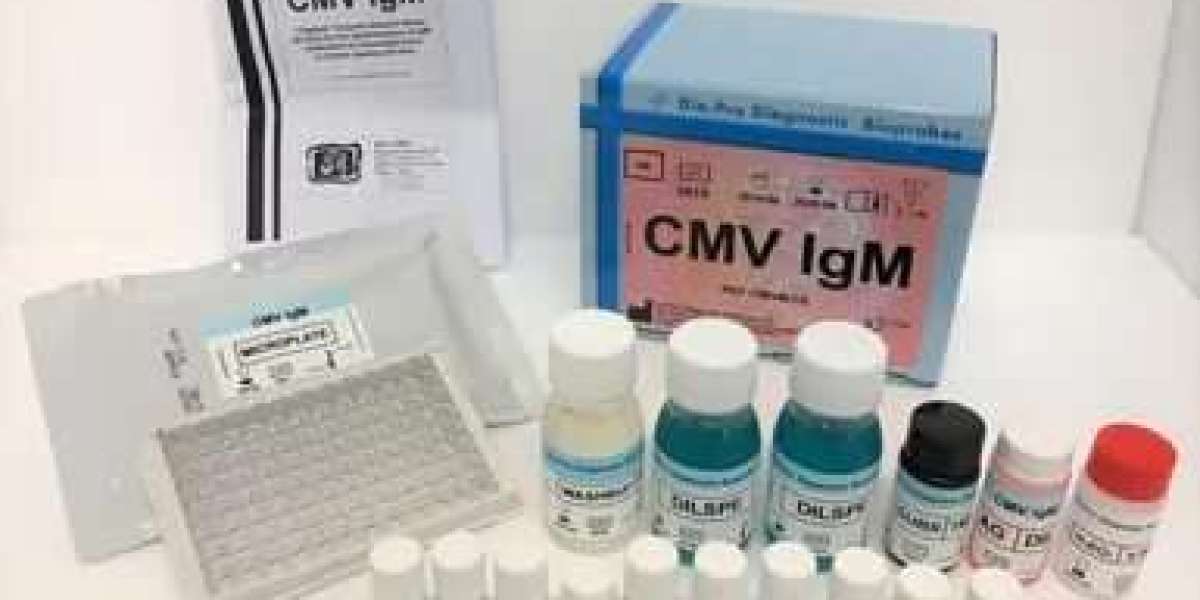

Cytomegalovirus (CMV) is a common virus that belongs to the herpesvirus family. Many people contract CMV during their lifetime without experiencing noticeable symptoms. However, identifying a recent CMV infection can be important for pregnant individuals, newborns, people with weakened immune systems, and patients undergoing certain medical treatments. One test healthcare professionals may use during an evaluation is the Cytomegalovirus CMV Antibody IgM Test.
But can a Cytomegalovirus CMV Antibody IgM Test in Dubai reliably detect a recent infection? The answer requires more than simply checking whether the result is positive or negative. CMV IgM antibodies can appear during an early immune response, but they may also remain detectable for months or occur during viral reactivation or reinfection. Therefore, the test is useful when interpreted alongside symptoms, medical history, other antibody results, and sometimes molecular testing.
This guide explains how the CMV IgM antibody test works, when it may help identify a recent infection, how to understand the results, and when additional testing may be necessary.
Understanding the Link Between CMV IgM Antibodies and Recent Infection:
Cytomegalovirus spreads through contact with infected body fluids, including saliva, urine, blood, breast milk, semen, and vaginal fluids. Although CMV infection is often mild or asymptomatic in healthy individuals, it can cause significant complications in certain high-risk groups.
When CMV enters the body, the immune system begins producing antibodies in response to the infection. These proteins help the immune system recognize the virus.
Two types of antibodies are particularly relevant to CMV testing:
CMV IgM antibodies: These may appear relatively early in the immune response and can be associated with a recent infection.
CMV IgG antibodies: These generally develop after exposure and often remain detectable for life.
The CMV IgM blood test detects IgM antibodies in a blood sample rather than detecting the virus itself. A positive result may support the possibility of a recent infection, but it does not establish exactly when the infection occurred.
This distinction is important because antibody production varies from person to person, and CMV IgM can sometimes remain detectable long after the initial infection.
How Does a Cytomegalovirus CMV Antibody IgM Test Work?
The CMV IgM antibody test is usually performed using a blood sample collected from a vein. The sample is analyzed using a laboratory method designed to identify CMV-specific IgM antibodies.
If these antibodies are present at a level recognized by the testing method, the result may be reported as positive or reactive. If they are not detected at the relevant threshold, the result may be reported as negative or nonreactive. Some laboratories also provide numerical values or an equivocal category.
The test helps healthcare professionals assess whether the immune system may be responding to CMV. However, it cannot directly confirm that the virus is currently replicating or determine the precise date of infection.
When Do CMV IgM Antibodies Appear?
CMV IgM antibodies may become detectable during the early stages of infection, but the timing varies. If testing takes place very soon after exposure, the body may not have produced enough detectable antibodies to generate a positive result.
This means a negative CMV IgM result does not always exclude a very recent infection.
If symptoms, exposure history, or other clinical findings raise concern despite a negative result, a healthcare professional may recommend repeat antibody testing or another diagnostic method.
Why Can IgM Remain Positive After the Initial Infection?
Unlike a simple marker that disappears immediately after recovery, CMV IgM may persist for several months and sometimes longer. It can also become detectable during CMV reactivation or reinfection.
Consequently, a positive result may reflect a recent primary infection, a previous infection with lingering antibodies, or another pattern of CMV activity. The result must be interpreted in context rather than treated as a definitive timeline.
Can a Positive CMV IgM Result Confirm a Recent Infection?
A positive Cytomegalovirus CMV Antibody IgM Test can indicate a possible recent CMV infection, but it cannot confirm one on its own.
There are several reasons for this limitation:
Recent primary infection: The immune system may be producing IgM antibodies after a first CMV infection.
Persistent antibodies: IgM may remain detectable after the initial infection has passed.
Reactivation or reinfection: CMV can become active again or a person can acquire another strain after previous exposure.
False-positive results: Certain immune responses or test-related factors may cause a positive result when a recent primary infection has not occurred.
The possibility of a false-positive result is particularly important when testing is performed during pregnancy, because an incorrect assumption about infection timing may lead to unnecessary anxiety or additional investigations.
Healthcare professionals may assess CMV IgG antibodies, IgG avidity, previous test results, symptoms, and exposure history to establish a clearer picture.
Interpreting CMV IgM and IgG Results Together:
The combination of CMV IgM and IgG results often provides more information than either antibody result alone. Nevertheless, no single combination should be interpreted without considering the patient's clinical circumstances.
| CMV IgM result | CMV IgG result | Possible interpretation |
|---|---|---|
| Positive | Negative | May indicate very early infection, but a false-positive IgM result is also possible |
| Positive | Positive | May reflect recent infection, persistent IgM, reactivation, or reinfection |
| Negative | Positive | Often indicates previous exposure, although timing and clinical context matter |
| Negative | Negative | No antibodies detected; however, very early infection may not yet be detectable |
These patterns are general guides, not definitive diagnoses. Laboratory methods, the timing of testing, and individual immune responses can affect interpretation.
What Does a Positive IgM With Negative IgG Mean?
When CMV IgM is positive and IgG is negative, a healthcare professional may consider an early primary infection. However, this pattern can also result from a false-positive IgM test.
Depending on the circumstances, repeat testing may help determine whether CMV IgG subsequently develops. The appearance of IgG antibodies over time, known as seroconversion, can provide stronger evidence of a newly acquired infection.
What If Both CMV IgM and IgG Are Positive?
When both antibodies are detected, a recent primary infection is one possibility, but it is not the only explanation. IgM may persist after the first infection or occur during reactivation or reinfection.
Additional testing may be especially important if the result affects pregnancy management, transplant care, or treatment decisions for someone with a weakened immune system.
Which Additional Tests Can Help Establish the Timing of CMV Infection?
When the CMV IgM antibody test cannot provide a clear answer, clinicians may use other investigations to clarify the findings.
CMV IgG Avidity Testing
CMV IgG avidity testing measures how strongly IgG antibodies bind to CMV antigens. Following a primary infection, antibody binding strength generally increases over time as the immune response matures.
A low IgG avidity result may support a relatively recent primary infection, whereas high avidity may make a more recent primary infection less likely within the relevant clinical timeframe.
However, avidity results cannot identify the exact date of infection. Their interpretation depends on the assay used, the stage of pregnancy if applicable, and other clinical information.
CMV PCR Testing
A CMV polymerase chain reaction (PCR) test detects genetic material from the virus rather than antibodies produced by the immune system.
Depending on the clinical question, PCR may be performed on blood, urine, saliva, or another appropriate specimen. It can help identify CMV DNA in the tested sample, but a positive result does not automatically establish when the infection began or prove that every detected infection requires treatment.
The appropriate specimen and interpretation depend on the patient's age, symptoms, immune status, and reason for testing.
Repeat Antibody Testing
If the initial result is inconclusive, a clinician may recommend another blood test after an appropriate interval. Comparing results can help determine whether antibodies are appearing or changing over time.
Repeat testing is not necessary in every case. The decision depends on the initial findings, the likelihood of infection, and whether confirming the timing would affect medical care.
Why Is Recent CMV Infection Detection Important During Pregnancy?
CMV infection during pregnancy deserves particular attention because the virus can pass from the pregnant individual to the developing baby. Congenital CMV can sometimes cause hearing loss, vision problems, developmental difficulties, or other complications, although some affected babies have no obvious symptoms at birth.
A positive CMV IgM result during pregnancy does not automatically mean that a primary infection occurred recently or that the baby has been infected.
Healthcare professionals may review previous results, assess CMV IgG and IgG avidity, and arrange further investigations when appropriate. Specialist advice can help determine which tests are useful and how the findings should influence pregnancy care.
Routine CMV screening is not universally recommended for every pregnancy. Testing decisions depend on clinical circumstances and applicable medical guidance.
It is also important to distinguish maternal testing from congenital CMV diagnosis. Testing the pregnant individual's antibodies cannot, by itself, diagnose CMV infection in the fetus or newborn. When congenital CMV is suspected, appropriately timed direct testing, commonly involving newborn saliva or urine PCR, is used according to clinical protocols.
Who May Need a CMV IgM Antibody Test?
A healthcare professional may consider CMV antibody testing when a patient has symptoms or circumstances that make CMV infection relevant.
People who may be evaluated include:
Individuals experiencing unexplained fever, fatigue, muscle aches, sore throat, or swollen lymph nodes.
Pregnant individuals with suspected CMV exposure or findings that warrant investigation.
Patients with weakened immune systems, including some transplant recipients.
People undergoing evaluation for possible CMV-related complications.
Individuals whose previous CMV results require clarification.
These symptoms are not specific to CMV and can occur with many other infections. Testing decisions should therefore be based on the overall clinical picture rather than symptoms alone.
Preparing for a CMV IgM Blood Test:
The CMV IgM test generally requires a routine blood sample. Fasting is usually not necessary when the test is performed alone, although other tests ordered at the same appointment may have separate preparation requirements.
Before testing, inform the healthcare professional about relevant symptoms, possible exposure, pregnancy, immune-system conditions, medications, and any previous CMV results.
Share the dates of earlier tests if available. Knowing whether CMV IgG was previously negative or positive may help the clinician assess the likelihood of a new infection.
Most importantly, avoid interpreting the result in isolation. The meaning of a positive or negative CMV IgM test depends partly on when testing occurred and why it was ordered.
Frequently Asked Questions About CMV IgM Testing:
1. Does a positive CMV IgM test mean I have a new infection?
Not necessarily. A positive result may indicate a recent infection, but IgM can persist for months, occur during reactivation or reinfection, or be falsely positive. Additional testing may be required.
2. Can a CMV IgM test detect infection immediately after exposure?
No antibody test can reliably detect every infection immediately after exposure. It may take time for detectable antibodies to develop. A healthcare professional can advise whether repeat testing or another test is appropriate.
3. How long does CMV IgM remain positive?
The duration varies between individuals. CMV IgM can remain detectable for several months and sometimes longer, so its presence alone cannot accurately date an infection.
4. Is a negative CMV IgM result proof that I have never had CMV?
No. A negative IgM result means that detectable IgM antibodies were not identified at the time of testing. Previous exposure may be indicated by CMV IgG, while very early infection may not yet produce detectable antibodies.
5. Is CMV IgM testing enough to diagnose congenital CMV?
No. Maternal antibody results alone cannot diagnose congenital CMV in a newborn. Appropriate direct testing, commonly saliva or urine PCR performed within the recommended diagnostic timeframe, is needed when congenital infection is suspected.
Conclusion: How Reliably Can CMV IgM Detect Recent Infection?
The Cytomegalovirus CMV Antibody IgM Lab tests can provide useful evidence when healthcare professionals investigate a possible recent CMV infection. However, it is not a standalone confirmation of infection timing. IgM antibodies may appear during an early immune response, persist after the initial infection, or occur during reactivation or reinfection. False-positive and early false-negative results are also possible.
For a more reliable assessment, clinicians may combine CMV IgM results with CMV IgG testing, IgG avidity, repeat antibody measurements, PCR testing, and the patient's medical history. This broader approach is particularly important during pregnancy and for people with weakened immune systems.
If your CMV IgM result is positive, negative despite ongoing concerns, or unclear, discuss it with a qualified healthcare professional. Understanding the result in context can help guide appropriate follow-up, reduce unnecessary worry, and support informed medical decisions.









