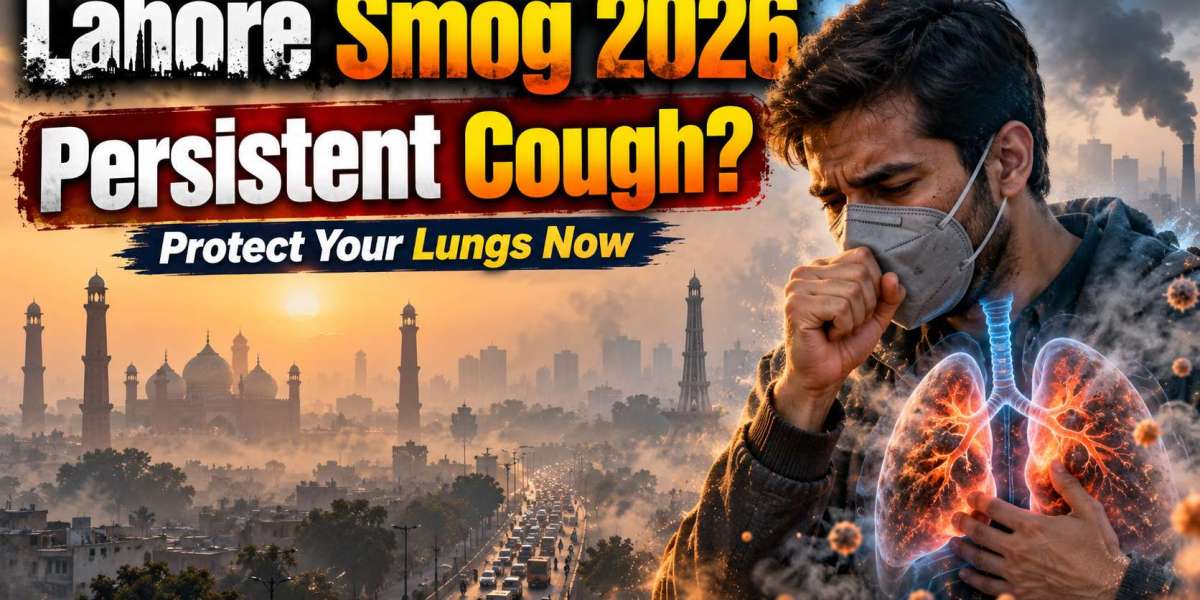

Air pollution is becoming one of the most serious public health concerns worldwide. From Lahore and Delhi to other major urban centers, millions of people are exposed to harmful airborne particles that can affect respiratory health.
As smog season approaches in Lahore, understanding the impact of poor air quality on the lungs becomes especially important.
According to the World Health Organization (WHO), exposure to air pollution is associated with respiratory infections, asthma complications, chronic obstructive pulmonary disease (COPD), cardiovascular disease, and lung cancer.
Although occasional coughing does not necessarily indicate permanent lung damage, persistent respiratory symptoms should never be ignored.
What Is Smog, and Why Is It Dangerous for Your Lungs?
Smog is a form of air pollution containing a mixture of harmful gases and airborne particles. Common sources include vehicle emissions, industrial activity, fuel combustion, and certain agricultural burning practices.
One of the most concerning components of polluted air is PM2.5, a term used for fine particles measuring 2.5 micrometers or smaller.
These particles are extremely small and can travel deep into the respiratory system.
Prolonged exposure may contribute to inflammation, worsen existing lung conditions, and increase the risk of developing respiratory problems.
Even people who have never smoked can experience breathing difficulties associated with poor air quality.
7 Warning Signs That Smog May Be Affecting Your Breathing
Some individuals notice symptoms immediately after exposure, while others experience worsening respiratory problems over time.
1. Persistent Cough
A cough that continues for several days or weeks may be associated with airway irritation. However, persistent coughing can also result from infections, asthma, allergies, or other medical conditions.
2. Chest Tightness
Some people experience pressure or tightness in the chest after exposure to polluted air. This may occur with airway inflammation or narrowing.
3. Shortness of Breath
Difficulty breathing during walking, climbing stairs, or routine activities may indicate a respiratory problem requiring evaluation.
4. Wheezing
A whistling sound while breathing can occur when airways become narrowed. Wheezing may be associated with asthma or other respiratory disorders.
5. Throat Irritation
Air pollutants can irritate the throat and respiratory passages, sometimes causing discomfort or coughing.
6. Increased Mucus Production
Airway irritation may contribute to increased mucus or phlegm. Persistent or changing sputum should be assessed when accompanied by other concerning symptoms.
7. Worsening Asthma or COPD Symptoms
Individuals with existing respiratory conditions may experience more frequent symptoms or exacerbations during periods of poor air quality.
These symptoms do not automatically establish a diagnosis. A proper clinical assessment is important to identify the underlying cause.

Can Air Pollution Cause Lung Problems in Non-Smokers?
Yes.
Smoking is a major cause of respiratory disease, but it is not the only risk factor.
Long-term exposure to outdoor air pollution, household smoke, workplace dust, and harmful chemicals can contribute to respiratory health problems.
People living in heavily polluted cities may experience repeated exposure to harmful particles even when they have never smoked.
Air pollution can worsen asthma, contribute to respiratory symptoms, and increase the long-term risk of certain chronic lung diseases.
If you are searching for the best pulmonologist in Lahore to investigate persistent coughing, wheezing, or breathing difficulties, consider consulting a qualified respiratory specialist for an individualized evaluation.
Who Is Most Vulnerable During Smog Season?
Although polluted air can affect anyone, certain groups face greater health risks.
Children: Their lungs are still developing, and they may breathe more air relative to their body weight than adults.
Older Adults: Age-related health conditions can increase vulnerability to pollution-related complications.
Asthma Patients: Air pollution may trigger coughing, wheezing, and asthma attacks.
COPD Patients: Exposure may worsen breathlessness and increase the risk of respiratory exacerbations.
Pregnant Women: Poor air quality can be associated with adverse maternal and pregnancy outcomes.
Outdoor Workers: Traffic police, delivery riders, construction workers, and others working outside may experience substantial exposure.
People with existing heart or lung disease should take extra precautions when air pollution levels are elevated.
8 Practical Ways to Protect Your Lungs from Smog
Taking reasonable precautions can help reduce exposure to harmful air pollution.
1. Check the Air Quality Index Daily
Before planning outdoor activities, check local air quality reports.
The Air Quality Index provides an indication of pollution conditions and associated health concerns.
When pollution is elevated, consider reducing unnecessary outdoor exposure, particularly if you have an existing respiratory condition.
2. Wear a Properly Fitted Protective Respirator
A certified N95, KN95, or FFP2 respirator can help reduce exposure to fine airborne particles when worn correctly.
A good facial seal is important for effective protection.
Ordinary cloth masks and loose surgical masks generally provide less reliable protection against fine particulate pollution.
Respirators do not remove all harmful gases, and individuals with significant breathing difficulties should seek advice about appropriate use.
3. Reduce Outdoor Exercise During Poor Air Quality
Running, cycling, or performing intense outdoor workouts can increase the amount of polluted air inhaled.
When air quality is poor, consider exercising indoors in an environment with cleaner air.
4. Improve Indoor Air Quality
Keep windows closed when outdoor pollution levels are particularly high, provided indoor ventilation needs are safely addressed.
Appropriately sized air purifiers with effective particle filtration may help reduce indoor particulate concentrations.
Avoid devices that intentionally produce ozone.
5. Avoid Cigarette Smoke and Indoor Burning
Smoking, secondhand smoke, incense, and indoor burning can worsen indoor air quality.
Avoid exposing children and individuals with respiratory conditions to unnecessary smoke.
6. Follow Your Existing Asthma or COPD Treatment Plan
Patients with chronic respiratory conditions should continue prescribed medicines and follow their clinician’s management plan.
Do not stop or change inhalers without medical advice.
7. Maintain General Health
A balanced diet, adequate hydration, regular sleep, and suitable physical activity support overall well-being.
However, no particular juice, supplement, or home remedy has been proven to remove pollution particles from the lungs or reverse established lung damage.
8. Seek Medical Advice for Persistent Symptoms
If coughing, wheezing, or breathlessness continues or worsens, arrange a medical assessment.
Early evaluation can help identify treatable respiratory conditions and prevent unnecessary delays in care.
Is Persistent Cough Always Caused by Smog?
No.
Although polluted air can trigger or aggravate coughing, other causes must also be considered.
A persistent cough may be associated with asthma, respiratory infections, postnasal drip, acid reflux, certain medications, or chronic lung diseases.
Tuberculosis is another important consideration in Pakistan, particularly when coughing continues for several weeks or is accompanied by fever, night sweats, weight loss, or coughing up blood.
A respiratory specialist may recommend investigations such as chest imaging, spirometry, or other tests depending on the patient’s symptoms and clinical findings.
Self-diagnosing a prolonged cough as simply a reaction to smog may delay recognition of an underlying condition.
Can Smog Trigger Asthma Attacks?
Yes.
Air pollution is a recognized trigger for asthma symptoms in susceptible individuals.
Exposure may worsen airway inflammation and contribute to coughing, wheezing, chest tightness, and breathlessness.
Patients with asthma should understand how to use prescribed inhalers correctly and follow an appropriate written asthma action plan when available.
Frequent symptoms, increasing reliever use, or nighttime breathing difficulties may indicate that asthma control needs reassessment.
Severe breathing difficulty requires urgent medical care rather than waiting for a routine appointment.
When Should You Consult a Pulmonologist?
A pulmonologist is a physician specializing in respiratory diseases and conditions affecting the lungs and airways.
Consider a respiratory consultation if you experience:
- Coughing that persists for several weeks.
- Repeated episodes of wheezing.
- Breathlessness during routine activities.
- Frequent respiratory infections.
- Unexplained chest symptoms.
- Poorly controlled asthma or COPD.
- Persistent symptoms following a respiratory infection.
Seeking help early can allow appropriate diagnosis, investigation, and personalized management.
For patients looking for the best pulmonologist in Lahore, qualifications, clinical assessment, clear communication, and evidence-based management are important considerations when selecting a specialist.
Important: Severe shortness of breath, severe chest pain, blue lips, confusion, or coughing up significant amounts of blood requires emergency medical attention.
Frequently Asked Questions About Smog and Lung Health
Q1: Can smog cause permanent lung damage?
Long-term air pollution exposure is associated with impaired lung function and increased risks of chronic respiratory disease. However, short-term symptoms do not necessarily mean permanent damage has occurred.
Q2: Can drinking warm water remove pollution from the lungs?
No. Drinking water supports normal hydration, but it does not remove inhaled fine particles or reverse lung damage.
Q3: Is staying indoors always safe during severe smog?
Not necessarily. Indoor air can also contain harmful pollutants. Cleaner indoor air depends on building conditions, ventilation, filtration, and indoor pollution sources.
Q4: Should asthma patients stop exercising during smog season?
Physical activity remains beneficial. However, patients may need to adjust the timing, location, or intensity of exercise when pollution levels are high.
Q5: Can someone develop breathing problems without ever smoking?
Yes. Air pollution, infections, occupational exposures, allergies, and other conditions can cause respiratory symptoms in non-smokers.
Final Message: Protect Your Lungs Before Symptoms Become Serious
Lahore’s recurring smog problem highlights the importance of respiratory health awareness.
Air pollution can affect children, adults, older people, and individuals with existing medical conditions.
Reducing unnecessary exposure, monitoring air quality, using appropriate protective measures, and seeking timely medical advice are practical steps toward better lung health.
Remember that persistent coughing, unexplained wheezing, or repeated breathing difficulties should not automatically be dismissed as seasonal problems.
Your lungs deserve attention throughout the year, not only during smog season.
Respiratory Health Consultation in Johar Town, Lahore
Dr. Yasir Nasir Pulmonologist in Lahore
For concerns related to persistent cough, asthma, COPD, breathing difficulties, and other respiratory symptoms, arrange a clinical consultation for proper assessment.
Phone: 0333 4976126
Address: 7, Block M Phase 2 Johar Town, Lahore, Punjab 54782
Google Maps: https://maps.app.goo.gl/vENrcVVmoHH7mcf38
Breathe Better. Protect Your Lungs. Prioritize Respiratory Health.
Medical Disclaimer: This article provides general health awareness and does not replace professional medical diagnosis, evaluation, or treatment.
Lahore Smog 2026: Is Your Persistent Cough a Warning Sign? How Air Pollution Damages Your Lungs
Are you experiencing persistent coughing, chest tightness, wheezing, or difficulty breathing during smog season? Your lungs may be reacting to polluted air.
Air pollution is becoming one of the most serious public health concerns worldwide. From Lahore and Delhi to other major urban centers, millions of people are exposed to harmful airborne particles that can affect respiratory health.
As smog season approaches in Lahore, understanding the impact of poor air quality on the lungs becomes especially important.
According to the World Health Organization (WHO), exposure to air pollution is associated with respiratory infections, asthma complications, chronic obstructive pulmonary disease (COPD), cardiovascular disease, and lung cancer.
Although occasional coughing does not necessarily indicate permanent lung damage, persistent respiratory symptoms should never be ignored.
What Is Smog, and Why Is It Dangerous for Your Lungs?
Smog is a form of air pollution containing a mixture of harmful gases and airborne particles. Common sources include vehicle emissions, industrial activity, fuel combustion, and certain agricultural burning practices.
One of the most concerning components of polluted air is PM2.5, a term used for fine particles measuring 2.5 micrometers or smaller.
These particles are extremely small and can travel deep into the respiratory system.
Prolonged exposure may contribute to inflammation, worsen existing lung conditions, and increase the risk of developing respiratory problems.
Even people who have never smoked can experience breathing difficulties associated with poor air quality.
7 Warning Signs That Smog May Be Affecting Your Breathing
Some individuals notice symptoms immediately after exposure, while others experience worsening respiratory problems over time.
1. Persistent Cough
A cough that continues for several days or weeks may be associated with airway irritation. However, persistent coughing can also result from infections, asthma, allergies, or other medical conditions.
2. Chest Tightness
Some people experience pressure or tightness in the chest after exposure to polluted air. This may occur with airway inflammation or narrowing.
3. Shortness of Breath
Difficulty breathing during walking, climbing stairs, or routine activities may indicate a respiratory problem requiring evaluation.
4. Wheezing
A whistling sound while breathing can occur when airways become narrowed. Wheezing may be associated with asthma or other respiratory disorders.
5. Throat Irritation
Air pollutants can irritate the throat and respiratory passages, sometimes causing discomfort or coughing.
6. Increased Mucus Production
Airway irritation may contribute to increased mucus or phlegm. Persistent or changing sputum should be assessed when accompanied by other concerning symptoms.
7. Worsening Asthma or COPD Symptoms
Individuals with existing respiratory conditions may experience more frequent symptoms or exacerbations during periods of poor air quality.
These symptoms do not automatically establish a diagnosis. A proper clinical assessment is important to identify the underlying cause.
Can Air Pollution Cause Lung Problems in Non-Smokers?
Yes.
Smoking is a major cause of respiratory disease, but it is not the only risk factor.
Long-term exposure to outdoor air pollution, household smoke, workplace dust, and harmful chemicals can contribute to respiratory health problems.
People living in heavily polluted cities may experience repeated exposure to harmful particles even when they have never smoked.
Air pollution can worsen asthma, contribute to respiratory symptoms, and increase the long-term risk of certain chronic lung diseases.
If you are searching for the best pulmonologist in Lahore to investigate persistent coughing, wheezing, or breathing difficulties, consider consulting a qualified respiratory specialist for an individualized evaluation.
Who Is Most Vulnerable During Smog Season?
Although polluted air can affect anyone, certain groups face greater health risks.
Children: Their lungs are still developing, and they may breathe more air relative to their body weight than adults.
Older Adults: Age-related health conditions can increase vulnerability to pollution-related complications.
Asthma Patients: Air pollution may trigger coughing, wheezing, and asthma attacks.
COPD Patients: Exposure may worsen breathlessness and increase the risk of respiratory exacerbations.
Pregnant Women: Poor air quality can be associated with adverse maternal and pregnancy outcomes.
Outdoor Workers: Traffic police, delivery riders, construction workers, and others working outside may experience substantial exposure.
People with existing heart or lung disease should take extra precautions when air pollution levels are elevated.
8 Practical Ways to Protect Your Lungs from Smog
Taking reasonable precautions can help reduce exposure to harmful air pollution.
1. Check the Air Quality Index Daily
Before planning outdoor activities, check local air quality reports.
The Air Quality Index provides an indication of pollution conditions and associated health concerns.
When pollution is elevated, consider reducing unnecessary outdoor exposure, particularly if you have an existing respiratory condition.
2. Wear a Properly Fitted Protective Respirator
A certified N95, KN95, or FFP2 respirator can help reduce exposure to fine airborne particles when worn correctly.
A good facial seal is important for effective protection.
Ordinary cloth masks and loose surgical masks generally provide less reliable protection against fine particulate pollution.
Respirators do not remove all harmful gases, and individuals with significant breathing difficulties should seek advice about appropriate use.
3. Reduce Outdoor Exercise During Poor Air Quality
Running, cycling, or performing intense outdoor workouts can increase the amount of polluted air inhaled.
When air quality is poor, consider exercising indoors in an environment with cleaner air.
4. Improve Indoor Air Quality
Keep windows closed when outdoor pollution levels are particularly high, provided indoor ventilation needs are safely addressed.
Appropriately sized air purifiers with effective particle filtration may help reduce indoor particulate concentrations.
Avoid devices that intentionally produce ozone.
5. Avoid Cigarette Smoke and Indoor Burning
Smoking, secondhand smoke, incense, and indoor burning can worsen indoor air quality.
Avoid exposing children and individuals with respiratory conditions to unnecessary smoke.
6. Follow Your Existing Asthma or COPD Treatment Plan
Patients with chronic respiratory conditions should continue prescribed medicines and follow their clinician’s management plan.
Do not stop or change inhalers without medical advice.
7. Maintain General Health
A balanced diet, adequate hydration, regular sleep, and suitable physical activity support overall well-being.
However, no particular juice, supplement, or home remedy has been proven to remove pollution particles from the lungs or reverse established lung damage.
8. Seek Medical Advice for Persistent Symptoms
If coughing, wheezing, or breathlessness continues or worsens, arrange a medical assessment.
Early evaluation can help identify treatable respiratory conditions and prevent unnecessary delays in care.
Is Persistent Cough Always Caused by Smog?
No.
Although polluted air can trigger or aggravate coughing, other causes must also be considered.
A persistent cough may be associated with asthma, respiratory infections, postnasal drip, acid reflux, certain medications, or chronic lung diseases.
Tuberculosis is another important consideration in Pakistan, particularly when coughing continues for several weeks or is accompanied by fever, night sweats, weight loss, or coughing up blood.
A respiratory specialist may recommend investigations such as chest imaging, spirometry, or other tests depending on the patient’s symptoms and clinical findings.
Self-diagnosing a prolonged cough as simply a reaction to smog may delay recognition of an underlying condition.
Can Smog Trigger Asthma Attacks?
Yes.
Air pollution is a recognized trigger for asthma symptoms in susceptible individuals.
Exposure may worsen airway inflammation and contribute to coughing, wheezing, chest tightness, and breathlessness.
Patients with asthma should understand how to use prescribed inhalers correctly and follow an appropriate written asthma action plan when available.
Frequent symptoms, increasing reliever use, or nighttime breathing difficulties may indicate that asthma control needs reassessment.
Severe breathing difficulty requires urgent medical care rather than waiting for a routine appointment.
When Should You Consult a Pulmonologist?
A pulmonologist is a physician specializing in respiratory diseases and conditions affecting the lungs and airways.
Consider a respiratory consultation if you experience:
- Coughing that persists for several weeks.
- Repeated episodes of wheezing.
- Breathlessness during routine activities.
- Frequent respiratory infections.
- Unexplained chest symptoms.
- Poorly controlled asthma or COPD.
- Persistent symptoms following a respiratory infection.
Seeking help early can allow appropriate diagnosis, investigation, and personalized management.
For patients looking for the best pulmonologist in Lahore, qualifications, clinical assessment, clear communication, and evidence-based management are important considerations when selecting a specialist.
Important: Severe shortness of breath, severe chest pain, blue lips, confusion, or coughing up significant amounts of blood requires emergency medical attention.
Frequently Asked Questions About Smog and Lung Health
Q1: Can smog cause permanent lung damage?
Long-term air pollution exposure is associated with impaired lung function and increased risks of chronic respiratory disease. However, short-term symptoms do not necessarily mean permanent damage has occurred.
Q2: Can drinking warm water remove pollution from the lungs?
No. Drinking water supports normal hydration, but it does not remove inhaled fine particles or reverse lung damage.
Q3: Is staying indoors always safe during severe smog?
Not necessarily. Indoor air can also contain harmful pollutants. Cleaner indoor air depends on building conditions, ventilation, filtration, and indoor pollution sources.
Q4: Should asthma patients stop exercising during smog season?
Physical activity remains beneficial. However, patients may need to adjust the timing, location, or intensity of exercise when pollution levels are high.
Q5: Can someone develop breathing problems without ever smoking?
Yes. Air pollution, infections, occupational exposures, allergies, and other conditions can cause respiratory symptoms in non-smokers.
Final Message: Protect Your Lungs Before Symptoms Become Serious
Lahore’s recurring smog problem highlights the importance of respiratory health awareness.
Air pollution can affect children, adults, older people, and individuals with existing medical conditions.
Reducing unnecessary exposure, monitoring air quality, using appropriate protective measures, and seeking timely medical advice are practical steps toward better lung health.
Remember that persistent coughing, unexplained wheezing, or repeated breathing difficulties should not automatically be dismissed as seasonal problems.
Your lungs deserve attention throughout the year, not only during smog season.
Respiratory Health Consultation in Johar Town, Lahore
Dr. Yasir Nasir Pulmonologist in Lahore
For concerns related to persistent cough, asthma, COPD, breathing difficulties, and other respiratory symptoms, arrange a clinical consultation for proper assessment.
Phone: 0333 4976126
Address: 7, Block M Phase 2 Johar Town, Lahore, Punjab 54782
Google Maps: https://maps.app.goo.gl/vENrcVVmoHH7mcf38
Breathe Better. Protect Your Lungs. Prioritize Respiratory Health.
Medical Disclaimer: This article provides general health awareness and does not replace professional medical diagnosis, evaluation, or treatment.