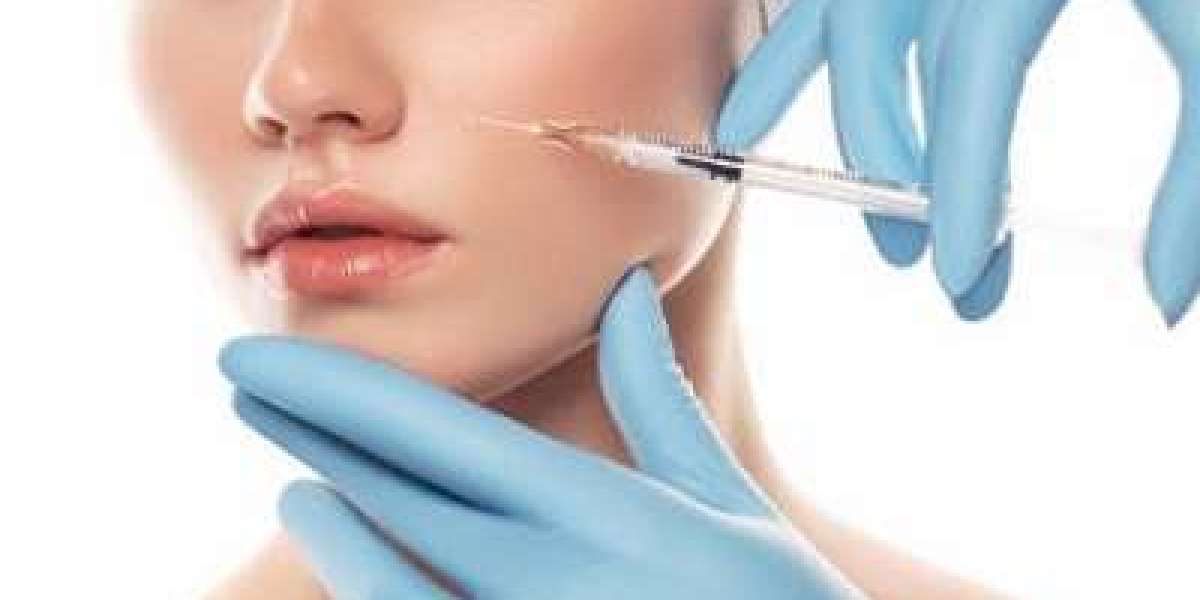

Glutathione injections have gained attention among people seeking brighter, more even-looking skin and a refreshed appearance. In Oman, interest in skin-brightening treatments has encouraged many individuals to explore the potential benefits, safety considerations, and long-term effects of glutathione. However, one important question remains: can glutathione injections actually affect a person's natural skin tone?
Glutathione is a naturally occurring antioxidant that helps protect the body's cells from oxidative stress. It plays an essential role in several biological processes, including supporting cellular health and maintaining the body's antioxidant defenses. Although glutathione is sometimes promoted for its skin-brightening properties, its effects on pigmentation are not fully established, particularly when it is administered through injections for cosmetic purposes.
For individuals researching Glutathione Injections in Oman, understanding the science behind this treatment is essential before making a decision. Skin tone is influenced by genetics, melanin production, sun exposure, hormones, and other factors. While glutathione may influence certain processes associated with pigmentation, it should not be considered a guaranteed method of changing a person's natural complexion.
1. What Are Glutathione Injections and How Do They Work?
Glutathione is a compound made from three amino acids: glutamate, cysteine, and glycine. It is produced naturally by the body and is found in many tissues, where it helps neutralize free radicals and supports normal cellular functions.
In medical settings, glutathione may be administered through an injection or intravenous infusion for specific clinical purposes. However, its use for cosmetic skin lightening is different from its use in treating an established medical condition.
The interest in glutathione for skin brightening comes partly from its potential influence on melanin, the pigment responsible for the color of the skin, hair, and eyes. Melanin helps protect the skin from ultraviolet radiation, and differences in its production contribute to the wide range of natural skin tones.
Glutathione is thought to influence pigmentation through several possible mechanisms. These include antioxidant activity and potential effects on tyrosinase, an enzyme involved in melanin production. Some proposed mechanisms also suggest that glutathione may influence the type of melanin produced by pigment-forming cells.
Nevertheless, the biological explanation does not establish that glutathione injections reliably produce visible or lasting skin lightening in humans. Research remains limited, and the available evidence does not support treating these injections as a proven cosmetic solution.
Anyone considering Glutathione Injections in Oman should understand that a treatment's proposed mechanism is not the same as demonstrated clinical effectiveness.
2. Can Glutathione Injections Change Your Natural Skin Tone?
Glutathione injections are often marketed as a way to achieve a lighter complexion. However, the relationship between glutathione and changes in natural skin tone is more complicated than many cosmetic claims suggest.
The treatment may influence pigmentation pathways, but there is insufficient high-quality evidence to establish how consistently injectable glutathione changes skin color, how much change may occur, or how long any effect might last.
Natural skin tone is largely determined by genetics. The number, activity, and distribution of melanocytes, along with the amount and type of melanin they produce, contribute to an individual's complexion. These underlying characteristics cannot be reliably or permanently changed through a cosmetic injection.
Some people may be seeking a lighter appearance because of tanning, uneven pigmentation, dark spots, or post-inflammatory hyperpigmentation. These concerns are not necessarily the same as wanting to change an overall natural skin tone.
For example, a person who develops dark patches after sun exposure may benefit more from consistent sun protection and an appropriate pigmentation treatment than from an injectable antioxidant. Similarly, someone experiencing dark marks after acne may need treatment directed at inflammation and excess pigmentation.
It is also important to distinguish between temporary changes in skin appearance and a genuine change in baseline pigmentation. Lighting, hydration, tanning, and existing pigmentation concerns can affect how bright or even the skin looks.
Therefore, glutathione injections should not be viewed as a predictable way to achieve a particular shade. Any potential cosmetic benefit remains uncertain, and the risks of treatment need to be considered alongside the limited evidence of effectiveness.
3. Potential Benefits and Limitations of Glutathione for Skin Brightening
Interest in Glutathione Injections in Oman is often linked to several advertised cosmetic benefits. Understanding the difference between possible effects and established results can help individuals make informed choices.
Potential effects on pigmentation: Glutathione may influence pathways involved in melanin production. However, research on injectable glutathione for skin lightening is limited, and the magnitude and reliability of any effect remain uncertain.
A more even-looking complexion: People with uneven pigmentation may hope to achieve a more uniform appearance. Nevertheless, injectable glutathione has not been established as a reliable treatment for melasma, sunspots, or post-inflammatory hyperpigmentation. Each condition may require a different approach.
Antioxidant activity: Glutathione has an established biological role in protecting cells against oxidative stress. However, this natural function does not automatically mean that injecting additional glutathione will produce visible improvements in skin quality or complexion.
Results may vary: Cosmetic outcomes can differ depending on the person's skin characteristics, underlying pigmentation concern, overall health, and other factors. There is no well-established injection schedule that guarantees a particular skin tone.
A further limitation is the lack of strong evidence about long-term outcomes. Questions remain about how long any potential cosmetic changes persist and what happens when treatment stops.
For these reasons, individuals should be cautious about advertisements promising dramatic whitening, permanent fairness, or guaranteed results. Claims of rapid and substantial changes are not supported by sufficiently strong clinical evidence.
4. Are Glutathione Injections Safe? Important Risks to Consider
Safety is one of the most important considerations for anyone exploring cosmetic injections. Glutathione is naturally present in the body, but that does not mean every injected formulation, dose, or administration method is automatically safe.
Injectable glutathione for skin lightening has not been adequately studied to establish a dependable safety profile for repeated cosmetic use. Regulatory authorities and medical professionals have raised concerns about the use of injectable products for this purpose.
Potential adverse effects may include:
Allergic reactions or sensitivity to an injected product.
Reactions at the injection site, including pain, redness, or swelling.
Complications associated with intravenous administration.
Risks related to contamination, poor product quality, or improper preparation.
Potentially serious adverse effects whose frequency and long-term implications are not well established.
The risk may be influenced by the product's ingredients, manufacturing quality, route of administration, and the person's medical history. Using a product from an unverified source or receiving injections outside an appropriate medical setting can introduce additional dangers.
Some cosmetic products may also be advertised alongside vitamin infusions or other ingredients. Combining substances does not automatically improve effectiveness and may introduce additional risks or interactions.
Before considering Glutathione Injections in Oman, individuals should seek advice from a qualified healthcare professional who can assess whether the proposed treatment is appropriate. They should ask about the product's regulatory status, the evidence supporting its intended use, potential side effects, and available alternatives.
A healthcare professional should also explain when treatment is unsuitable, particularly for individuals with relevant medical conditions, a history of allergic reactions, or circumstances that require additional precautions.
Severe symptoms following an injection, such as difficulty breathing, facial or throat swelling, fainting, or sudden severe illness, require urgent medical attention.
5. What Should People in Oman Know Before Considering Treatment?
Oman has a climate in which strong sunlight can contribute to tanning, uneven pigmentation, and the worsening of certain skin conditions. Anyone interested in skin-brightening treatments should consider the role of ultraviolet exposure before choosing an injectable cosmetic procedure.
Sun exposure can stimulate melanin production as part of the skin's natural protective response. Without consistent sun protection, pigmentation concerns may persist or return, regardless of the treatment selected.
People researching Glutathione Injections in Oman should consider the following factors before proceeding.
Understand the reason for the pigmentation concern. Dark patches may result from melasma, sun exposure, acne-related inflammation, medications, or other causes. Identifying the underlying issue helps determine which treatment options are appropriate.
Ask about the evidence. A responsible consultation should explain what research supports the treatment, what remains uncertain, and whether the expected outcome is realistic. Testimonials and before-and-after photographs cannot establish that a treatment is effective or safe for everyone.
Check product quality and regulatory status. The formulation, source, storage, and method of administration matter. Individuals should not assume that a product advertised online is approved or suitable for cosmetic injection.
Discuss personal health considerations. Existing health conditions, medications, allergies, and previous reactions to cosmetic procedures may affect treatment decisions. A qualified healthcare professional can help evaluate these factors.
Consider established alternatives. Depending on the cause of pigmentation, options may include broad-spectrum sunscreen, topical treatments, and professionally supervised procedures. These approaches have different benefits and limitations, so the most appropriate choice depends on the specific skin concern.
It is also important to avoid pressure to achieve an unnaturally light complexion. Healthy skin can have a wide range of natural tones, and effective skincare should prioritize skin health, comfort, and realistic expectations rather than an idealized shade.
6. Safer Alternatives for Brighter and More Even-Looking Skin
For many people, the goal is not necessarily to change their natural skin color but to reduce dark spots, improve uneven pigmentation, or maintain a healthy appearance. Several established skincare strategies may be more appropriate than injectable glutathione.
Daily sun protection: Broad-spectrum sunscreen with SPF 30 or higher can help protect against ultraviolet radiation and reduce the risk of further tanning and pigmentation. Reapplication is important during prolonged outdoor exposure, swimming, or sweating. Protective clothing, sunglasses, and shade can provide additional support.
Topical skincare ingredients: Depending on the condition, healthcare professionals may recommend ingredients such as azelaic acid, niacinamide, vitamin C, or retinoids. These ingredients work differently, and not every option is suitable for every skin type. Some can cause irritation, which may worsen pigmentation in susceptible individuals if used incorrectly.
Treatment for specific pigmentation conditions: Melasma, acne-related dark marks, and sunspots may require different approaches. A healthcare professional can assess the cause and recommend suitable topical medication or other treatments when appropriate.
Professional skin procedures: Certain chemical peels, laser treatments, and other dermatological procedures may be considered for selected pigmentation concerns. Their suitability depends on the skin condition, skin tone, procedure type, and risk of post-inflammatory hyperpigmentation. Professional assessment is particularly important for darker skin tones, which may be more susceptible to pigmentation changes after irritation or injury.
A consistent skincare routine: Gentle cleansing, regular moisturizing, avoiding harsh scrubs, and treating acne promptly can help maintain the skin barrier and reduce the likelihood of irritation-related dark marks.
These measures may improve the appearance of uneven pigmentation without attempting to alter genetically determined skin color. Results usually require patience and consistency, and some conditions may need ongoing management.
Ultimately, anyone considering Glutathione Injections in Oman should compare the uncertain benefits and potential risks with better-established approaches tailored to the actual skin concern.
Frequently Asked Questions
1. Can glutathione injections permanently change natural skin tone?
There is insufficient reliable evidence to show that glutathione injections permanently change a person's natural skin tone. Any reported cosmetic changes may vary, and their duration is not well established. Genetics remain a major determinant of baseline skin color.
2. How long does it take to see results from glutathione injections?
There is no scientifically established timeline for visible skin-lightening results from injectable glutathione. Claims that a particular number of injections will produce a specific complexion are not supported by strong clinical evidence.
3. Are glutathione injections safe for everyone?
No. Safety depends on several factors, including the formulation, administration method, product quality, and individual medical history. The safety of repeated cosmetic use has not been adequately established. A qualified healthcare professional should assess the risks before treatment is considered.
4. Are glutathione injections approved for skin whitening in Oman?
Regulatory approval can depend on the specific product, its intended use, and the applicable local requirements. Approval for one medical purpose does not necessarily mean approval for cosmetic skin lightening. Individuals should verify the product's current regulatory status with the relevant Omani health authorities or a qualified healthcare professional.
5. What are the alternatives to glutathione injections for uneven skin tone?
Depending on the cause, alternatives may include daily sun protection, topical ingredients such as azelaic acid or niacinamide, prescription treatments, and selected professional procedures. The most appropriate option depends on the pigmentation concern and individual skin characteristics.
6. Can glutathione injections help with melasma or acne-related dark spots?
Evidence supporting injectable glutathione for these conditions is limited. Melasma and acne-related pigmentation have different causes and may require specific treatments. A healthcare professional can help identify the condition and recommend an evidence-based approach.
Conclusion
Glutathione injections have attracted attention as a cosmetic skin-brightening treatment, but their ability to change natural skin tone remains uncertain. Although glutathione plays an important role as an antioxidant in the body, this does not establish that injectable supplementation can safely or consistently produce a lighter complexion.
For individuals exploring Glutathione Injections in Oman, the most important considerations are treatment safety, realistic expectations, product quality, and the strength of the available scientific evidence. The potential risks of injectable cosmetic treatments should not be overlooked simply because the substance occurs naturally in the body.
A more dependable approach to achieving brighter, more even-looking skin often begins with sun protection, a suitable skincare routine, and an accurate assessment of the underlying pigmentation concern. Professional guidance can help individuals compare appropriate options and make decisions that prioritize long-term skin health.
Read More About Glutathione Injections: https://loveandfitness.com/blogs/2087/4078/glutathione-injections-for-dull-skin-what-to-consider