
Marble does not behave the same way in every room. A marble floor faces grit and foot traffic. A kitchen counter faces acids, oils, and heat. A shower faces constant moisture and mineral-heavy water. Treating all three the same way is one of the most common reasons marble loses its beauty early.
This room-by-room guide explains what each surface needs, what to avoid, and when it makes sense to bring in professional marble cleaning services. It is based on the kinds of problems that show up repeatedly in Atlanta-area homes, from older Decatur bungalows to newer Buckhead and Alpharetta builds.
First, a Quick Primer on How Marble Works
Marble is a natural stone made largely of calcium carbonate. Two characteristics explain almost everything about its care:
- It is reactive. Acids dissolve the surface and leave dull etch marks.
- It is porous. Liquids can soak in and cause stains, especially when the sealer has worn down.
It is also softer than granite, which means it scratches more easily. Keep these three facts in mind and the advice below will make sense.
Marble Floors: Fighting Grit and Wear
The main threat: Grit. Georgia red clay and fine sand act like sandpaper under shoes, slowly dulling polished floors and leaving orange-brown residue in lighter stone.
What helps:
- Place quality doormats outside and inside every entrance.
- Dust-mop or vacuum with a soft attachment regularly, since removing grit before mopping protects the polish.
- Mop with a pH-neutral stone cleaner and a damp microfiber mop, not a soaking wet one.
- Use felt pads under furniture and avoid dragging anything heavy.
What to avoid: Vinegar, ammonia, bleach, and steam mops. Acidic or harsh products etch the surface, and high heat can stress the stone and the grout.
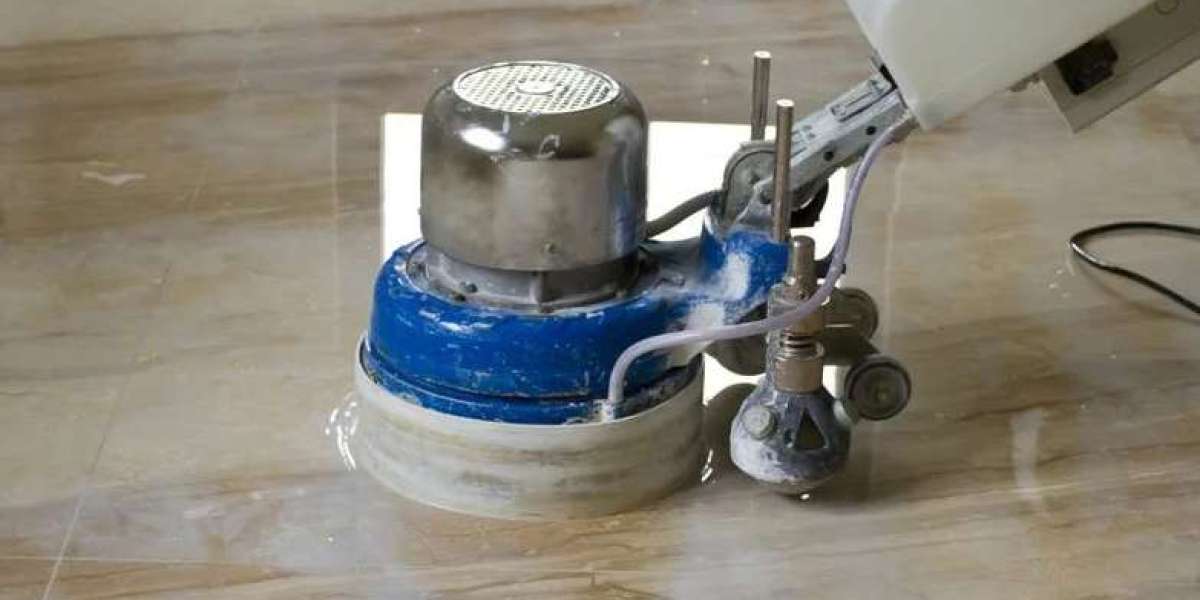
When to call a professional: When the floor looks hazy even after cleaning, when traffic paths are visibly duller than the rest, or when scratches catch the light. Professional honing and polishing can level the surface and restore a uniform finish across the whole floor.
Marble Kitchen Counters and Islands: Acids, Oils, and Heat
The main threat: Everyday cooking. Lemon juice, tomato sauce, wine, and salad dressing can etch marble within minutes. Cooking oils and coffee can stain it if the sealer has thinned.
What helps:
- Wipe spills right away, then rinse with water and dry with a soft cloth.
- Use cutting boards, trivets, and coasters.
- Clean daily with a mild pH-neutral cleaner or a drop of gentle dish soap in warm water.
- Test your sealer every few months by placing water drops on the surface and seeing whether they bead.
What to avoid: Citrus-based cleaners, abrasive pads, and baking soda scrubs, which can dull the finish. Also avoid setting hot pans directly on the stone.
When to call a professional: When water darkens the stone instead of beading, when etch rings appear, or when stains return after cleaning. A technician can remove embedded stains, correct etching, and reseal the surface so it is ready for daily use.
A note on finish: Many Atlanta homeowners choose honed (matte) marble for kitchens because it hides etching and wear better than polished stone. If your counters are polished and show frequent marks, a professional can discuss whether a honed finish might suit your lifestyle.
Marble Bathrooms and Showers: Moisture and Minerals
The main threat: Water. Atlanta's humidity slows drying, and mineral-rich water leaves behind cloudy deposits that dull the stone and feed soap scum and mildew.
What helps:
- Squeegee shower walls and floors after each use.
- Run the exhaust fan during and after showers.
- Wipe vanity tops dry, particularly around the faucet.
- Store toiletries on trays or in shower caddies. Perfumes, toothpaste, and some cosmetics can etch or stain marble.
What to avoid: Tile and tub cleaners with acids, bleach, and scrubbing powders. Many standard bathroom products are not safe for natural stone, even if the label says "all-purpose."
When to call a professional: When you see persistent mildew, white film that will not wipe away, discolored grout, or a surface that feels rough. Professionals can remove buildup safely, treat the grout lines, and reseal the stone so moisture has a harder time penetrating.
Fireplaces, Foyers, and Decorative Surfaces
Marble surrounds, entry tables, and decorative pieces see less abuse but still gather dust, soot, and fingerprints. Dust them regularly with a soft cloth, clean gently with a stone-safe product, and keep candles and metal objects from sitting directly on the surface, since wax and rust can leave marks. Because these areas are less exposed, a professional visit every year or two is typically enough.
A Simple Maintenance Calendar
Here is a practical schedule for most Atlanta households:
- Daily: Wipe spills, dry wet areas, squeegee showers.
- Weekly: Dust-mop floors and clean counters and bathrooms with a pH-neutral cleaner.
- Every few months: Check the sealer with a water test and inspect for early signs of etching or mildew.
- Every 6 to 12 months: Professional cleaning and inspection for high-use areas such as kitchens, entryways, and showers.
- Every 1 to 2 years: Professional care for low-traffic and decorative marble.
Homes with children, pets, or frequent guests may benefit from more frequent professional attention.
Why Professional Care Is Worth It
Good stone care is a combination of daily habits and periodic expert treatment. Professional marble cleaning services offer what home care cannot: stone identification, safe product selection, deep cleaning, stain extraction, honing and polishing, and long-lasting sealing. They also give you something many homeowners overlook: an honest assessment. A trained technician can tell you what can be restored, what should be monitored, and what simple changes will protect the stone going forward.
What to Look for in a Provider
A trustworthy stone care company will:
- Specialize in natural stone rather than general cleaning.
- Be licensed and insured.
- Test products on a hidden area before treating the surface.
- Explain their process in plain language and set realistic expectations.
- Share local references or before-and-after examples.
- Provide a clear written estimate after inspecting your stone.
Frequently Asked Questions
Is marble a poor choice for kitchens and bathrooms? Not at all. Marble can work beautifully in both, provided you accept that it develops character over time and commit to sensible care. Honed finishes and regular sealing make it more forgiving.
What is the safest everyday cleaner for marble? A pH-neutral stone cleaner, or warm water with a small amount of mild dish soap, rinsed and dried afterward.
Can I use a steam cleaner on marble floors? It is generally best to avoid it. Heat and moisture can affect the stone and grout, and the results are not worth the risk.
Do I need to reseal after every professional cleaning? Not always. Your technician can test the sealer and recommend resealing only when it is needed, which is typically every one to three years depending on the room and the amount of use.
Final Thoughts
Marble rewards the owners who understand it. Floors need protection from grit, counters need protection from acids and oils, and bathrooms need protection from moisture. Match your care to the room, build a few easy habits, and schedule professional help when the stone starts to show wear. With the right approach, your marble can stay elegant for decades in Atlanta's demanding climate.