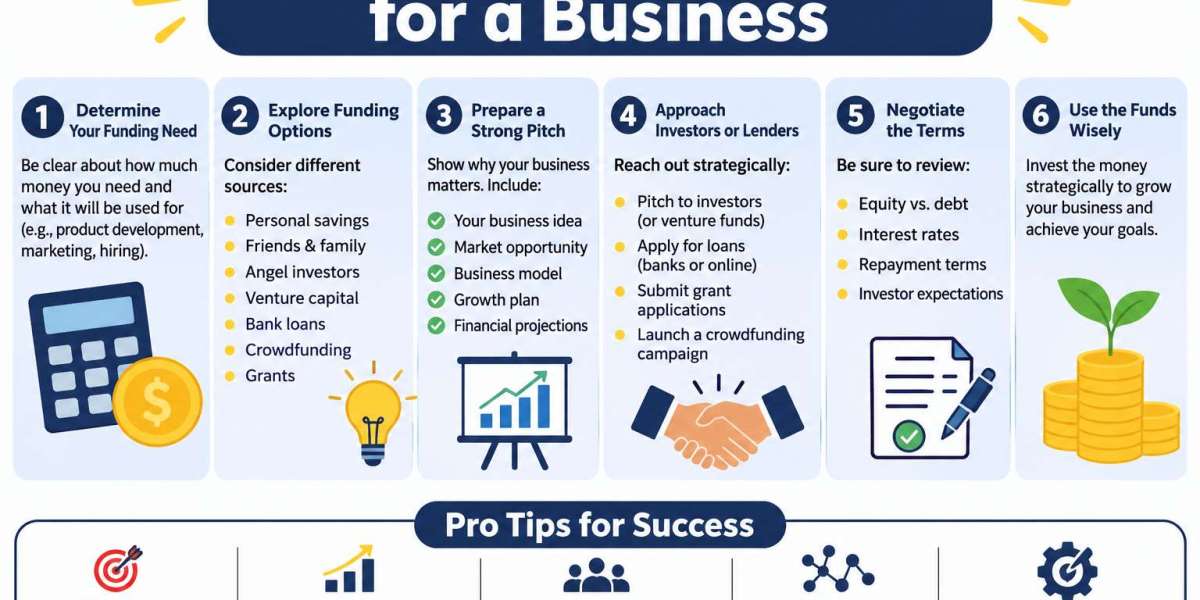

Starting or growing a business requires more than a great idea. You also need enough money to turn your plans into reality. Whether you want to launch a startup, expand an existing company, purchase equipment, hire employees, or increase your inventory, having sufficient capital is essential for business success. However, many entrepreneurs struggle to find the financial resources they need. The good news is that there are several ways to secure funding, even if you have limited savings or no established business history. Understanding how to raise money for a business can help you choose the right funding strategy and build a strong financial foundation. In this article, we will explore 10 proven ways to raise money for your business and achieve your financial goals.
1. Use Your Personal Savings
One of the simplest ways to fund a business is by using your personal savings. Many entrepreneurs begin their journey by investing their own money because it allows them to maintain complete control over their businesses. You do not need to convince investors or pay interest on borrowed funds. However, you should carefully evaluate your financial situation before investing your savings. Keep enough money for personal expenses and emergencies. Create a realistic business budget and determine how much capital you can safely contribute. Personal savings can be an excellent starting point, especially for small businesses that do not require significant initial investment.
2. Ask Friends and Family for Financial Support
Friends and family can be valuable sources of startup funding. If people close to you believe in your business idea, they may be willing to provide financial assistance. You can ask them for a loan, offer them an investment opportunity, or arrange a repayment agreement. However, it is important to handle these financial arrangements professionally. Explain your business plan, expected expenses, potential risks, and repayment schedule. Put every agreement in writing to avoid misunderstandings. This approach can help entrepreneurs raise initial capital without going through complicated financial application processes.
3. Apply for a Small Business Loan
Small business loans are one of the most common ways to obtain business financing. Banks, credit unions, and other financial institutions offer different loan options for entrepreneurs. These loans can help you purchase equipment, rent business premises, hire employees, and manage daily operating expenses. Before applying, prepare a detailed business plan, financial statements, cash flow projections, and information about your credit history. Compare interest rates, repayment periods, fees, and eligibility requirements from different lenders. Choosing the right loan can provide the financial support needed to establish or expand your business while maintaining ownership.
4. Find Investors for Your Business
Finding investors is another effective strategy for raising business capital. Investors provide money in exchange for ownership shares or an agreed financial return. They may also offer valuable industry knowledge, business connections, and professional guidance. To attract investors, you need a strong business idea and a clear explanation of how your company will generate revenue. Prepare a professional pitch deck that highlights your products or services, target market, competitors, growth opportunities, and financial projections. Research potential investors who are interested in your industry. Remember that giving away equity means sharing ownership and sometimes decision-making authority, so carefully evaluate every investment offer.
5. Start a Crowdfunding Campaign
Crowdfunding allows entrepreneurs to collect small contributions from a large number of people. Online crowdfunding platforms make it possible to introduce your business idea to potential supporters around the world. Depending on the platform and campaign structure, you may offer rewards, accept donations, provide equity, or arrange loans. To create a successful crowdfunding campaign, explain your business idea clearly and show people why it deserves support. Include attractive images, videos, product demonstrations, and realistic funding goals. Promote your campaign through social media, email marketing, and your professional network. Crowdfunding can be particularly useful for businesses launching innovative products or services.
6. Apply for Government Grants and Business Support Programs
Government grants and business development programs can provide financial assistance to eligible entrepreneurs. Many governments support small businesses, startups, technology companies, exporters, and businesses operating in priority industries. Unlike traditional loans, grants generally do not require repayment, provided you follow the program's conditions. However, competition can be high, and applicants must meet specific eligibility requirements. Research available programs in your country or region and carefully review their application guidelines. Prepare the required documents, explain how the funding will be used, and demonstrate how your business can contribute to economic growth, employment, or innovation.
7. Partner with Another Business
Forming a partnership with another business can help you access funding, resources, and new customers. For example, if you are launching a product, you may collaborate with an established company that can provide financial support, manufacturing facilities, distribution channels, or marketing assistance. In exchange, your partner may receive a share of the profits or another agreed business benefit. Before entering a partnership, identify businesses that share similar goals and complement your products or services. Discuss responsibilities, financial contributions, ownership arrangements, and expected outcomes. A well-structured partnership can reduce startup costs and create opportunities for long-term business growth.
8. Use Business Credit Cards Carefully
Business credit cards can help manage short-term expenses and provide access to additional purchasing power. Entrepreneurs often use them to pay for office supplies, advertising, software subscriptions, travel, and other operating costs. Some business credit cards also offer rewards, cashback, or introductory interest-free periods. However, credit cards should be used responsibly because high interest rates and unpaid balances can create financial difficulties. Avoid using credit cards to finance long-term expenses that your business cannot afford. Always understand the repayment terms, fees, and interest charges before applying. When managed properly, business credit cards can support cash flow management and cover temporary financial needs.
9. Pre-Sell Your Products or Services
Pre-selling is a creative way to raise money before officially launching your business. Instead of waiting until your products are ready, you can offer customers the opportunity to purchase them in advance. This approach helps generate early revenue and provides an opportunity to measure customer demand. For example, a clothing business can accept pre-orders for a new collection, while a software company can offer early access to its upcoming product. Make sure you communicate delivery dates, product details, refund policies, and any possible delays. Pre-selling can help reduce financial pressure because you receive money from customers before investing heavily in production or inventory.
10. Reinvest Your Business Profits
If your business is already operating and generating revenue, reinvesting profits can be an effective way to raise additional capital. Instead of spending all your earnings, allocate a portion toward business expansion and future development. You can use retained profits to purchase better equipment, increase inventory, hire employees, improve marketing, or introduce new products. This strategy allows you to grow your business without depending entirely on external investors or loans. Start by reviewing your monthly revenue, operating costs, and net profits. Establish a reinvestment budget that supports growth while maintaining enough cash reserves to cover unexpected expenses.
How to Choose the Best Way to Raise Money for Your Business
Choosing the right funding method depends on your business goals, financial position, industry, and growth plans. If you are starting a small business, personal savings, support from family, and pre-selling may be practical options. If you need a larger amount of capital, business loans, investors, crowdfunding, or government grants may provide better opportunities.
Before choosing a funding strategy, calculate how much money you actually need. Prepare a detailed business plan that explains your expected expenses, revenue model, target customers, and future growth opportunities. Compare the advantages and disadvantages of each funding source. Consider the total cost of financing, repayment obligations, ownership requirements, and financial risks.
You should also avoid raising more money than your business can reasonably manage. A clear financial strategy will help you use available capital effectively and maintain healthy cash flow.
Conclusion
Learning how to raise money for a business is an important step toward building a successful company. Whether you choose personal savings, business loans, investors, crowdfunding, government grants, partnerships, or reinvested profits, every funding option has its own advantages and challenges. The best approach depends on your business needs, financial goals, and long-term vision. Start by creating a realistic business plan, understanding your funding requirements, and exploring the opportunities available to you. With proper preparation, smart financial decisions, and consistent effort, you can secure the capital needed to turn your business idea into a successful and sustainable business.