
The stored grain insecticide market plays an important role in protecting agricultural commodities after harvesting. Grain storage is an essential part of the agricultural supply chain, ensuring that harvested crops remain suitable for consumption, processing, and distribution. However, stored grains can become vulnerable to insect infestations that affect their quality, appearance, and usability. As agricultural producers, storage operators, and food processing businesses focus on maintaining grain quality, the importance of effective insect management continues to grow.
The growing focus on stored grain pest control solutions highlights the need for reliable approaches to managing insects in storage environments. Stored grain insecticides help control pests that can damage grains during prolonged storage. Their application supports better storage management by reducing the possibility of insect-related losses and helping businesses maintain the quality of stored agricultural products.
Importance of Grain Protection During Storage
Grain protection does not end when harvesting is completed. Proper storage conditions are equally important because insects can enter storage facilities through different pathways. Warehouses, silos, storage containers, and other grain-handling environments require suitable pest management practices.
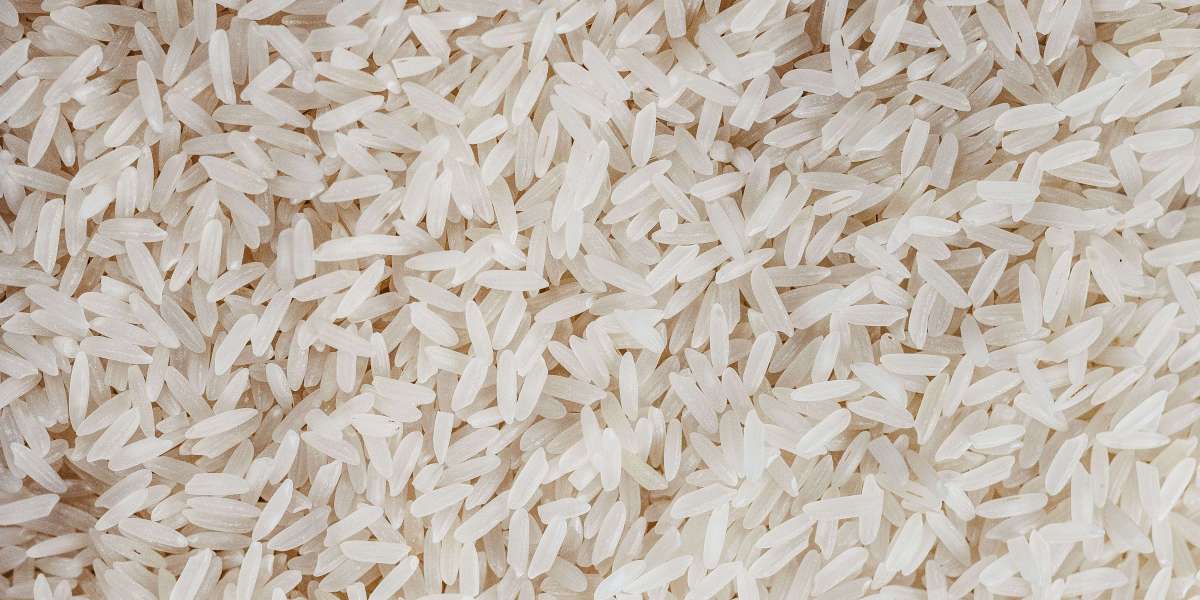
Insect infestations can affect several types of agricultural commodities, including wheat, rice, maize, barley, and other grains. These pests may consume grain material, contaminate storage areas, and reduce the suitability of agricultural products for their intended applications.
Stored grain insecticides are used as part of integrated pest management practices to address these challenges. Their role is particularly important for businesses handling large quantities of agricultural commodities and requiring consistent storage conditions.
Growing Demand for Effective Pest Management
Agricultural businesses increasingly recognize that insect management is an important component of post-harvest operations. Protecting stored commodities helps maintain product quality throughout transportation, processing, and distribution.
The demand for stored grain insecticides is also influenced by the need for dependable grain preservation practices. Storage operators look for solutions that fit their operational requirements while supporting effective insect control.
Different storage environments may require different pest management approaches. Therefore, insecticide selection depends on the type of grain, storage conditions, pest characteristics, and application requirements.
Product Innovation and Application Practices
Product development is an important part of the stored grain insecticide industry. Manufacturers focus on developing formulations that can support convenient application and effective pest management.
Different insecticide formulations offer different application possibilities. Their suitability depends on storage infrastructure, grain-handling practices, and the intended pest management strategy.
Alongside product development, proper application procedures remain essential. Storage operators must follow product instructions, safety requirements, and appropriate handling practices to ensure responsible use.
Role of Integrated Pest Management
Integrated pest management combines preventive practices with appropriate pest control methods. Cleaning storage facilities, monitoring insect activity, maintaining suitable storage conditions, and managing grain movement can contribute to better protection.
Insecticides can complement these practices by addressing infestations when necessary. Combining different management methods helps storage operators develop a more comprehensive approach to grain protection.
Future Opportunities in the Market
The stored grain insecticide market is closely connected to agricultural development, food preservation, and post-harvest management. Growing attention toward food quality and storage efficiency creates opportunities for manufacturers to develop improved pest management products.
Environmental considerations and responsible chemical use are also becoming important areas of industry attention. Manufacturers are encouraged to consider product safety, application efficiency, and compatibility with modern agricultural practices.
Overall, stored grain insecticides remain an important part of agricultural storage management. Their contribution to grain protection, combined with improvements in pest monitoring and storage practices, supports the development of more efficient post-harvest systems.
Frequently Asked Questions
Q1. What is the purpose of stored grain insecticides?
Stored grain insecticides help control insect pests that infest stored agricultural commodities and can damage or contaminate grain during storage.
Q2. Why is pest management important in grain storage?
Pest management helps preserve grain quality, minimize insect-related damage, and maintain the suitability of stored commodities for consumption and processing.