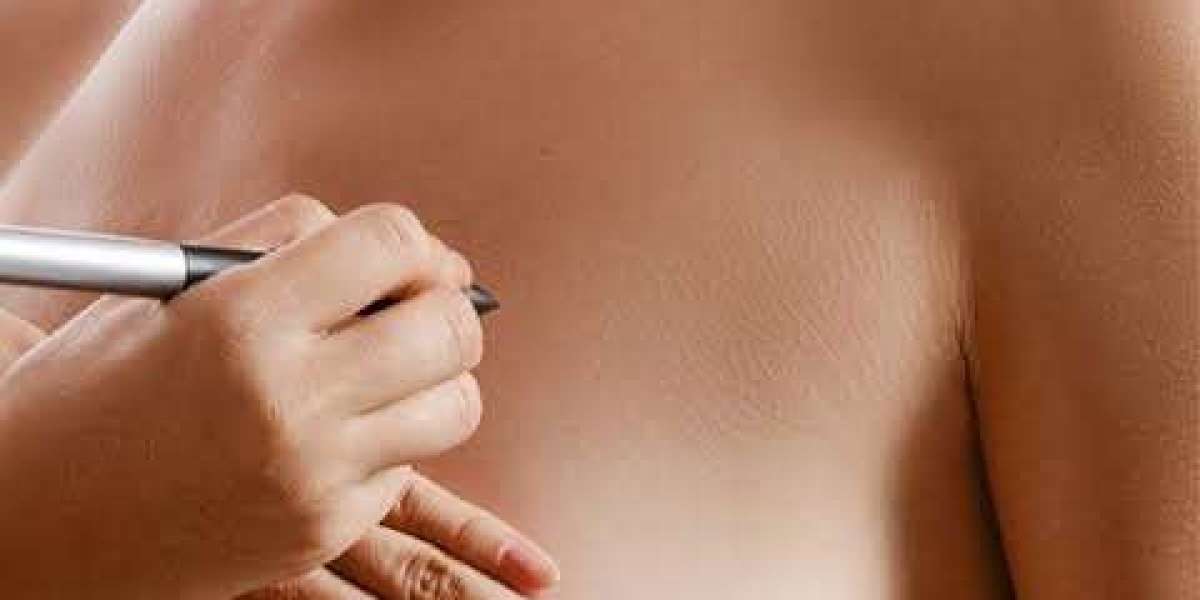

Safety should always be the first consideration when exploring cosmetic breast enhancement. People researching Breast Filler Injections in Dubai should understand that many injectable fillers are not approved or established for breast augmentation. Products designed for facial treatments are not automatically suitable for breast tissue. Before considering any injectable procedure, patients should understand the possible complications, verify product approval, and seek advice from a qualified medical professional.
Are Breast Fillers Approved for Breast Enhancement?
Not every injectable filler is designed or authorized for breast enhancement. Some products are approved for specific facial or body applications, but that approval does not automatically extend to breast tissue.
Patients should ask for the exact product name, manufacturer, and intended use. They should independently verify its regulatory status through the relevant healthcare authority.
A clinic's advertisement or a practitioner's recommendation should not replace reliable information about product authorization and medical evidence.
Why Is Breast Filler Safety a Concern?
Breast Augmentation Lab
Breast Augmentation Lab provides educational information about breast enhancement procedures, medical considerations, and the importance of understanding potential risks before cosmetic treatment.
Injecting unsuitable substances into breast tissue can cause complications that may affect both appearance and health. These include infection, inflammation, painful lumps, nodules, migration, and tissue damage.
Some materials may also be difficult to remove if complications develop. Permanent fillers and non-medical substances such as industrial silicone should never be injected into breasts for cosmetic enhancement.
What Are the Possible Complications?
The type and severity of complications can depend on the injected material, injection technique, and individual response.
Possible problems include persistent swelling, tenderness, hardened areas, uneven contours, infection, and inflammatory reactions. In some cases, complications may develop long after the initial procedure.
A new breast lump, sudden change in breast shape, unexplained pain, nipple discharge, or skin changes should always receive medical assessment rather than being assumed to be a cosmetic side effect.
Can Injectable Materials Affect Breast Imaging?
Some injected materials may complicate the interpretation of mammograms, ultrasound examinations, or other breast imaging tests. This can make it more challenging for healthcare professionals to assess breast tissue and investigate unusual findings.
Patients should inform radiologists about previous breast injections and other cosmetic procedures. They should also discuss imaging-related concerns before considering any proposed treatment.
How Can Patients Reduce Treatment Risks?
The most important step is to avoid unapproved products and procedures that lack reliable medical evidence. Patients should verify the practitioner's qualifications and ask whether the exact product is authorized for breast use.
A proper consultation should include a review of medical history, previous breast procedures, allergies, and individual treatment goals.
Patients should also receive clear information about potential complications, follow-up care, and available options if an unexpected problem develops.
What Alternatives Can Be Discussed?
Depending on individual anatomy and goals, a qualified plastic surgeon may discuss breast implants, breast lift surgery, breast reduction, or autologous fat transfer.
Fat transfer involves collecting a patient's own fat through liposuction, processing it, and transferring it into selected breast areas. However, some transferred fat may not survive, and possible complications include fat necrosis, oil cysts, calcifications, infection, and uneven results.
These procedures have their own risks and limitations. A specialist should explain which options may be appropriate after an individual assessment.
Why Is Long-Term Monitoring Important?
Breast health remains important after any cosmetic procedure. Patients should attend recommended follow-up appointments and report unexpected changes promptly.
They should also keep records of previous procedures and any products used. This information can help future healthcare professionals assess breast changes and interpret imaging results.
Final Thoughts
Breast filler safety depends on product suitability, medical evidence, professional qualifications, and careful assessment of possible complications. Many injectable fillers are not approved or established for breast enhancement, and unsuitable substances can cause serious problems. Patients should verify regulatory authorization and discuss medically appropriate alternatives with a qualified specialist before proceeding. Anyone researching Breast Filler Injections Dubai should prioritize reliable medical guidance and long-term breast health over cosmetic promises