
In the early days of a relationship, listening feels effortless. Partners are curious, attentive, and emotionally present. Over time, however, many couples find themselves talking at each other instead of with each other. This breakdown rarely happens overnight—it’s usually the result of repeated, unresolved patterns.
Common reasons couples stop listening include emotional fatigue, unresolved conflicts, and the assumption that “I already know what you’re going to say.” When partners feel unheard repeatedly, they stop trying to explain themselves. Conversations then become transactional, defensive, or completely avoidant. What once felt like a connection turns into parallel lives under the same roof.
Listening also declines when daily stressors—work pressure, parenting, financial worries—consume emotional bandwidth. Without intentional communication, couples drift into autopilot, where hearing replaces true listening.
What Are the Most Common Listening Traps Couples Fall Into?
Couples don’t stop listening because they don’t care; they stop because they fall into predictable traps that sabotage communication. These patterns often repeat silently until frustration explodes.
Some of the most common listening traps include:
Defensive listening, where one partner listens only to respond or protect themselves, rather than understand
Assumptive listening, where past arguments shape present reactions before the partner finishes speaking
Selective listening, focusing only on parts that confirm existing beliefs
Emotional shutdown, where one partner disengages to avoid conflict altogether
These habits create a loop: one partner feels ignored, raises their voice or criticism, and the other withdraws further. Without intervention, this cycle becomes the “normal” way of communicating.
How Does Poor Listening Affect Emotional Intimacy?
Listening is not just about communication—it’s about emotional safety. When couples stop listening, intimacy quietly erodes. Partners begin to feel unseen, unvalued, and emotionally alone, even while in a relationship.
The emotional consequences often include:
Increased resentment and bottled-up anger
Reduced empathy and emotional warmth
Loss of trust in sharing vulnerable thoughts
Growing emotional distance that may lead to loneliness or infidelity
Over time, couples may still function practically—managing households or children—but emotionally disconnect. This is where many relationships stagnate, not because of a lack of love, but because of a lack of understanding.
When Should Couples Seek a Counsellor for Couples?
Many couples wait too long before seeking help, assuming things will “fix themselves.” In reality, early support prevents more serious emotional damage. A counsellor for couples helps identify unhealthy communication patterns before they harden into permanent habits.
You may benefit from counselling if:
Conversations frequently turn into arguments
One or both partners feel unheard or dismissed
Issues keep repeating without resolution
There is emotional withdrawal, silence, or avoidance
Trust or emotional closeness has declined
Seeking help is not a sign of failure; it’s a proactive step toward rebuilding connection. Modern couples increasingly view counselling as relationship maintenance rather than crisis control.
How Do Online Couple Counsellors Break the Listening Pattern?
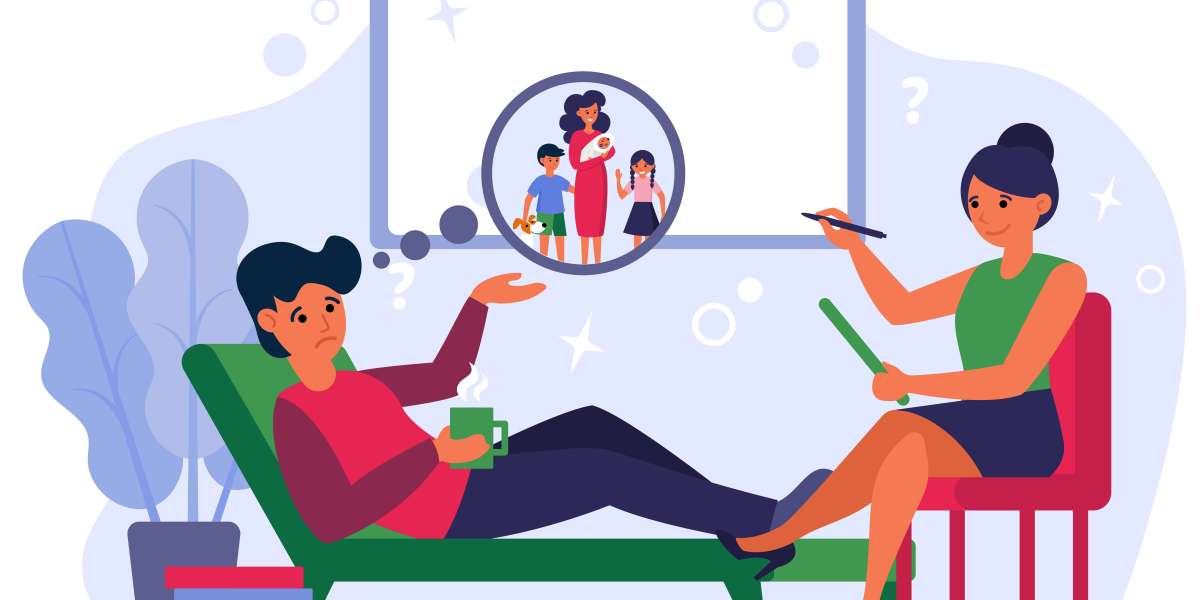
Online couple counselling focuses on how partners communicate, not just what they argue about. Counsellors are trained to observe subtle dynamics—tone, timing, emotional triggers—and gently interrupt destructive cycles.
Online couple counsellors typically work on:
Active listening skills, teaching partners to reflect, validate, and respond thoughtfully
Emotional regulation, helping individuals manage reactivity during conversations
Perspective-taking, so each partner feels understood without judgment
Safe communication structures, where both voices get equal space
Because sessions happen in familiar environments, couples often feel more relaxed and open online. This comfort allows counsellors to address real-life patterns as they occur, rather than relying only on retrospective explanations.
Why Is Online Counselling Effective for Modern Couples?
Online counselling has transformed access to mental health support, especially for couples juggling busy schedules or living in different locations. It removes logistical barriers while maintaining professional depth.
Key advantages include:
Flexible scheduling without travel stress
Access to experienced therapists regardless of location
Increased consistency in sessions
Greater comfort discussing sensitive topics from home
For couples seeking guidance from the best psychologists in India, online platforms make expert care available globally. Cultural sensitivity combined with modern therapeutic methods creates a powerful support system for diverse relationships.
How Does TalktoAngel Support Couples Worldwide?
TalktoAngel is a trusted online counselling platform offering professional mental health support to individuals and couples across the globe. Their approach is structured, compassionate, and tailored to modern relationship challenges.
TalktoAngel provides:
Licensed psychologists with expertise in couple and relationship counselling
Confidential online sessions accessible worldwide
Matching with a suitable counsellor for couples based on specific concerns
Evidence-based therapeutic approaches adapted to cultural contexts
What sets TalktoAngel apart is its focus on practical communication repair. Rather than assigning blame, counsellors help couples understand each other’s emotional languages and rebuild listening from the ground up.
What Changes Can Couples Expect After Learning to Listen Again?
When couples relearn how to listen, the shift is often profound. Arguments become conversations. Silence becomes safety rather than avoidance. Partners start feeling like teammates again.
Positive changes commonly reported include:
Feeling emotionally heard and validated
Reduced frequency and intensity of conflicts
Improved problem-solving as a unit
Renewed emotional and physical intimacy
Listening doesn’t mean agreeing on everything—it means understanding before responding. With the right guidance, couples rediscover that being heard is often more healing than being right.
Is Relearning to Listen the Key to Long-Lasting Relationships?
At the heart of most relationship struggles lies a simple truth: people want to be understood. Couples stop listening not because love disappears, but because communication gets distorted over time.
Online couple counselling, especially through platforms like TalktoAngel, helps couples pause, reflect, and reconnect. With support from a skilled counsellor for couples and access to the best psychologists in India, partners can break old patterns and build healthier ones.
In the end, listening is not a talent—it’s a skill. And like any skill, it can be relearned, strengthened, and transformed into the foundation of a lasting, emotionally fulfilling relationship.