
Taking the first step toward mental wellness requires immense courage. Whether you are seeking help for yourself or a loved one, the realization that you need professional support is a profound turning point. However, navigating the complex landscape of behavioral healthcare can feel overwhelming. Choosing the right mental health facility is one of the most critical decisions you will make on your journey to recovery. A high-quality treatment center does more than just manage symptoms; it uncovers root causes, fosters resilience, and provides the tools necessary for long-term emotional stability.
When searching for the right program, it is essential to look beyond the surface. The most effective residential treatment centers combine clinical excellence with deep compassion. In this comprehensive guide, we will explore the core pillars of a top-tier behavioral health program, from the importance of evidence-based therapies and expert staff to the life-changing impact of personalized care.
The Foundation of Healing: Why Choose a Specialized Residential Center?
For many individuals battling severe anxiety, depression, trauma, or co-occurring substance use disorders, weekly outpatient therapy is simply not enough. A residential treatment center offers an immersive healing environment where individuals can step away from the daily triggers and stressors of their everyday lives to focus entirely on their recovery.
Comprehensive Assessment and Dual Diagnosis
The journey to wellness begins with a thorough understanding of the individual's psychological landscape. Premier facilities prioritize comprehensive psychological and medical assessments upon admission. This is particularly vital for identifying co-occurring disorders, also known as dual diagnosis. It is incredibly common for mental health struggles—such as severe anxiety or PTSD—to overlap with substance use. A high-quality facility will treat both conditions simultaneously, recognizing that treating one without the other often leads to a cycle of relapse.
A Safe and Structured Environment
One of the primary benefits of residential care is the physical and emotional safety it provides. When you are in the depths of a mental health crisis, simple daily tasks can feel insurmountable. A specialized facility removes the burden of managing household chores, meal preparation, and occupational stress. Instead, your day is structured around therapeutic activities, group sessions, and periods of rest. This predictable routine helps regulate the nervous system, allowing the brain to shift out of "fight or flight" mode and into a state where true psychological healing can occur.
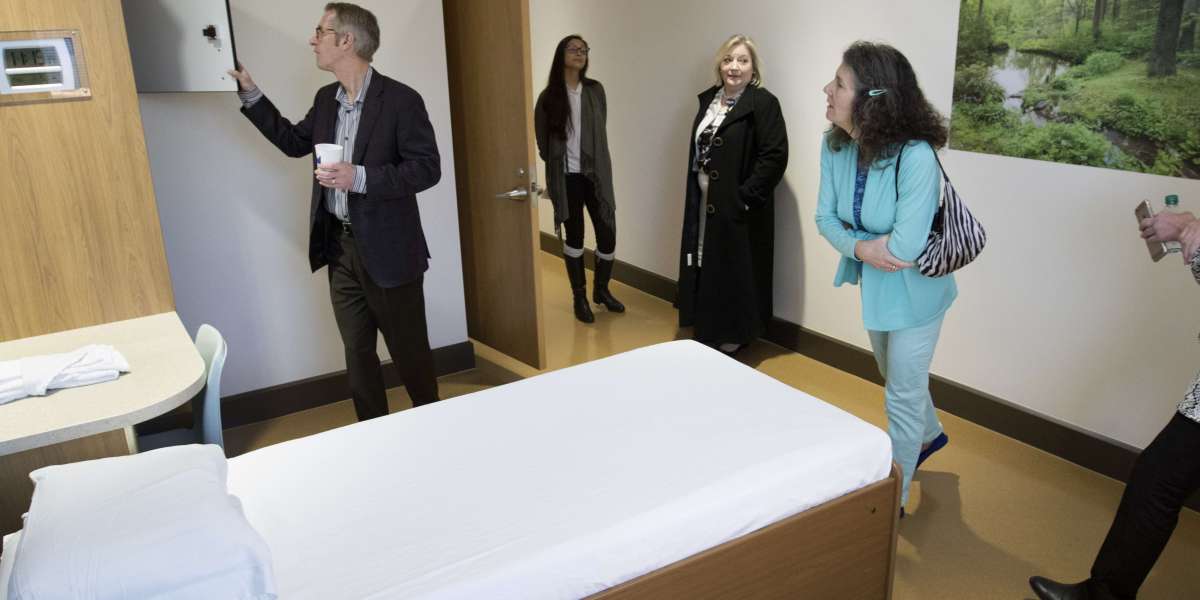
A safe, calming environment is the cornerstone of effective residential mental health treatment.
The Power of an Evidence-Based Treatment Approach
When entrusting a facility with your mental health, you need to know that the methods being used are grounded in science. An evidence-based treatment approach ensures that the therapeutic modalities utilized have been rigorously tested and clinically proven to produce positive outcomes.
Clinically Proven Modalities: CBT and EMDR
Top-tier mental health centers rely on a foundation of proven psychotherapies to help clients navigate their internal landscapes.
Cognitive Behavioral Therapy (CBT): This foundational therapy helps individuals identify and challenge distorted, negative thought patterns. By understanding how thoughts influence feelings and behaviors, clients learn to rewire their cognitive responses to stress and triggers.
Eye Movement Desensitization and Reprocessing (EMDR): For individuals struggling with trauma and PTSD, EMDR is a highly effective, specialized therapy. It uses bilateral stimulation (such as guided eye movements) to help the brain reprocess painful, traumatic memories. This allows the intense emotional charge associated with the trauma to dissipate, helping the individual heal without having to extensively verbalize the traumatic event.
Medication Management and Psychiatric Support
While talk therapy is a crucial component of recovery, physiological imbalances often require medical intervention. An evidence-based approach includes rigorous psychiatric evaluation and medication management. For conditions like severe depression, bipolar disorder, or panic disorders, finding the right medication—and the right dosage—can act as a vital bridge, stabilizing the patient's mood enough so they can actively participate in and benefit from their psychological therapies. Continuous monitoring ensures that medications are adjusted as the patient's brain chemistry and symptoms evolve.
Guided by Experts: The Role of Mental Health Professionals
A treatment facility is only as effective as the people who run it. The recovery journey requires guidance from highly trained, empathetic b who understand the nuanced complexities of psychological disorders.
Multidisciplinary Care Teams
Healing a human mind is not a one-person job; it requires a village of experts. A premier residential facility utilizes a multidisciplinary team approach. This team typically includes board-certified psychiatrists, clinical psychologists, licensed marriage and family therapists, psychiatric nurses, and behavioral technicians. By collaborating daily, this team ensures that every aspect of the patient's well-being is addressed. The psychiatrist monitors the biological response to medication, the trauma therapist addresses historical wounds, and the behavioral technicians support the client in practicing coping skills during daily activities.
24/7 Monitoring and Crisis Intervention
Mental health crises do not adhere to a 9-to-5 schedule. Panic attacks, depressive episodes, and overwhelming urges can strike at any hour. This is where the presence of around-the-clock mental health professionals becomes a lifeline. Having trained staff available 24/7 ensures that whenever a patient is struggling, compassionate crisis care and suicide prevention support are immediately accessible. This constant availability builds a profound sense of trust and security, empowering patients to confront their darkest moments knowing they will not have to face them alone.
The Heart of Recovery: Personalized Care and Attention
Perhaps the most critical hallmark of an elite behavioral health center is its commitment to treating the individual, not just the diagnosis. Standardized, cookie-cutter programs often fail because they ignore the unique history, personality, and specific needs of the person seeking help. True healing requires personalized care and attention.
Tailored Treatment Plans for Individual Needs
Everyone’s path to mental wellness is unique. A facility that values personalized care will craft a flexible treatment plan tailored to your specific life circumstances and recovery goals. For one person, the focus might be heavily weighted toward trauma-specific therapy and EMDR. For another, it might center on life skills development, psychoeducation, and managing social anxiety. Furthermore, these plans must be dynamic. As a patient progresses through the program, their needs will change. A dedicated clinical team will regularly review and adjust the treatment plan to ensure it continues to challenge and support the patient appropriately.
Family-Centered Healing and Holistic Wellness
Mental health struggles do not just affect the individual; they ripple outward, impacting spouses, parents, and children. Personalized care extends to the family unit. Integrating loved ones into the recovery process through structured family therapy helps repair broken communication, establishes healthy boundaries, and educates the family on how to support their loved one post-treatment.
Additionally, personalized attention means recognizing the mind-body connection. Many facilities incorporate holistic wellness practices into their individualized plans, such as yoga, meditation, art therapy, and nutritional counseling. By treating the whole person—mind, body, and spirit—these programs build a comprehensive foundation for long-term resilience and health.
Conclusion
Deciding to enter a residential treatment program is a profound investment in your future. By choosing a facility that prioritizes a safe environment, integrates rigorous evidence-based treatment, employs a multidisciplinary team of compassionate mental health professionals, and dedicates itself to providing personalized care and attention, you are setting the stage for deep, transformative healing.
Mental health challenges do not have to dictate the rest of your life. With the right support, stability, hope, and joy are entirely within your reach.