
Introduction
Few natural resources in the world command the reverence, mystique, and staggering financial value of agarwood. Often referred to as "Wood of the Gods" or "liquid gold," this dark, deeply aromatic resin has been the cornerstone of elite perfumery, traditional medicine, and religious ceremonies for centuries. However, as global demand has surged, the natural populations of the trees that produce this precious commodity have been pushed to the brink of extinction. Today, the industry is undergoing a massive, sustainable transformation. Recent market data indicates that the global trade of oud and its derivatives is valued at over $32 billion annually, and a rapidly growing segment of ethical investors, luxury fragrance houses, and wellness brands are people who are looking for a reliable agarwood farm to source authentic, sustainably cultivated products.
Whether you are an investor looking to diversify your portfolio with high-yield agricultural assets, a perfumer seeking a traceable supply chain, or simply an enthusiast captivated by the allure of pure oud, understanding how these specialized plantations operate is essential. This comprehensive guide will take you behind the scenes of the modern agarwood industry, exploring the biological miracles, cultivation techniques, and rigorous standards that define a world-class agricultural operation.
The Biological Miracle: Understanding the Origins of Agarwood
To appreciate the value of an agricultural operation dedicated to this resource, one must first understand the incredibly unique biological process that creates it. Agarwood is not a standard wood that simply grows on a tree; it is the result of a complex, natural defense mechanism.
The Science Behind the Scent
Agarwood is produced by the Aquilaria tree, a species native to the dense rainforests of Southeast Asia. Under normal circumstances, the heartwood of the Aquilaria tree is pale, odorless, and relatively unremarkable. However, when the tree is subjected to stress—such as a lightning strike, animal grazing, or boring insects—it becomes susceptible to a specific type of mold infection (often Phialophora parasitica). In an effort to defend itself and halt the spread of the infection, the tree secretes a dense, dark, and highly aromatic resin. Over several years, this resin slowly permeates the heartwood, transforming it into the heavy, fragrant material known as agarwood.
The Booming Global Market for Oud
The resin-embedded wood can be carved for use as incense or intricately distilled into oud oil, one of the most expensive essential oils on the planet. The demand for this scent is multifaceted. In the Middle East, it is a cultural staple used in daily life and high-end perfumery. In traditional Chinese and Ayurvedic medicine, it is prized for its calming, analgesic, and digestive properties. As Western luxury brands increasingly incorporate authentic oud into their niche fragrance lines, the global appetite for this material has skyrocketed, making reliable, farm-grown sources more critical than ever.
Sustainable Cultivation: The Heart of the Modern Plantation
For decades, the soaring price of agarwood led to aggressive and illegal poaching, devastating wild Aquilaria populations. Today, all species of Aquilaria are protected under the Convention on International Trade in Endangered Species of Wild Fauna and Flora (CITES). The future of the industry relies entirely on sustainable cultivation.
Ethical Farming vs. Wild Harvesting
The primary mission of a modern agricultural operation in this sector is to shift the burden of supply away from endangered wild forests. By cultivating Aquilaria trees on private, legally managed land, farmers can produce commercial-grade agarwood without contributing to deforestation. Furthermore, controlled environments allow for better land management practices, including organic fertilization, natural pest control, and water conservation, ensuring the surrounding ecosystem remains healthy and balanced.
Choosing the Right Species and Soil Preparation
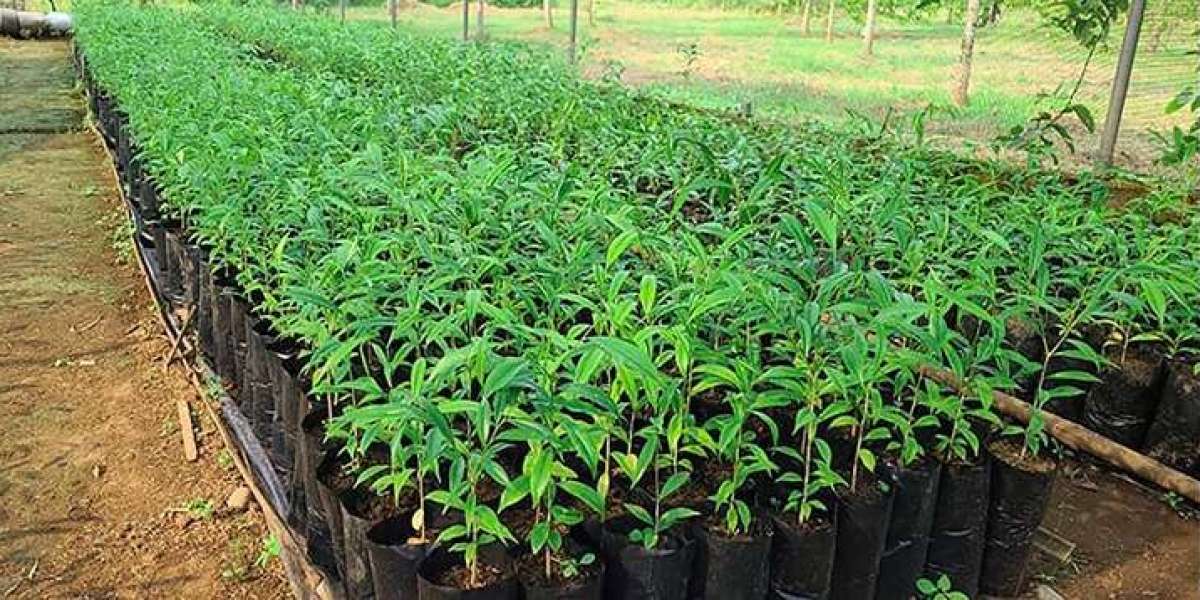
Success in this niche sector begins from the ground up. There are over twenty known species of Aquilaria, but only a handful—such as Aquilaria crassna and Aquilaria malaccensis—are highly prized for their resin production. Expert agronomists must carefully select the species that best adapt to the specific microclimate and soil composition of the plantation. The soil must be well-draining, slightly acidic, and rich in organic matter. Meticulous care during the sapling stage ensures the trees develop strong root systems, setting the stage for healthy growth over the next decade.
The Art and Science of Inoculation
In the wild, it is estimated that fewer than 10% of Aquilaria trees naturally produce agarwood, and the process can take decades. For a commercial plantation to be viable, farmers cannot simply wait and hope for a random lightning strike. They must artificially replicate nature's stressors.
Replicating Nature’s Stressors
The process of intentionally inducing resin production is known as inoculation, and it is the most closely guarded secret of any successful operation. Once the trees reach an adequate age and girth (typically between 5 to 7 years old), trained technicians intentionally wound the trunk. This is often done by drilling small, precise holes into the tree. Following the physical wounding, a proprietary biological inoculant—usually a carefully cultivated fungal strain—is introduced directly into the vascular system of the tree. This mimics a natural infection, triggering the tree's immune response and forcing it to begin secreting the precious dark resin.
Patience and the Maturation Process
Even with state-of-the-art inoculation techniques, producing high-grade agarwood is a game of immense patience. There are no shortcuts. Once inoculated, the tree must be left alone to fight the "infection." The longer the resin is allowed to develop and mature inside the trunk, the higher the quality, density, and aromatic complexity of the final product. It generally takes a minimum of two to four years post-inoculation before the wood is ready for harvest, though premium grades are often left to mature for much longer.
Harvesting and Distillation: From Wood to Oil
The transition from a living tree to a luxury commodity is an incredibly labor-intensive process that requires surgical precision and generations of accumulated knowledge.
Precision Harvesting Techniques
Unlike traditional timber harvesting, where a tree is simply felled and milled, harvesting agarwood is akin to mining. Because the resin does not form uniformly throughout the trunk, skilled artisans must painstakingly carve away the pale, uninfected wood to reveal the dark, resinous veins hidden inside. This process is done entirely by hand using specialized carving tools. The extracted wood is then carefully graded based on its color, density, and fragrance profile. The darkest, heaviest pieces that sink in water (known as "sinking grade") are the most valuable and are often sold directly to collectors or burned as premium incense.
The Intricate Distillation Process
The lighter, less dense pieces of harvested wood are typically ground into a fine powder and destined for the distillery to become oud oil. The powder is soaked in water for days or even weeks to break down the cellular walls before undergoing hydro-distillation or steam distillation. The distillation process is a delicate balancing act; temperatures must be strictly monitored to prevent burning the oil and ruining the fragrance profile. The yield is astonishingly low—it can take hundreds of kilos of infected wood to produce a single, small bottle of pure oud oil. This incredibly low yield-to-material ratio is precisely why unadulterated oud commands such astronomical market prices.
Partnering and Investing: What Buyers Should Look For
As the market expands, it unfortunately attracts counterfeiters and low-quality producers who use synthetic additives or harsh chemicals to mimic the scent of real oud. If you are seeking to purchase raw materials, buy essential oils, or invest in an agricultural partnership, due diligence is paramount.
Transparency and Traceability
A reputable plantation operates with complete transparency. Buyers should look for operations that can provide a clear, traceable history of their products—from the origin of the seeds to the exact date of inoculation and harvest. Furthermore, an ethical farm will strictly adhere to international trade laws and easily provide the necessary CITES export permits, guaranteeing that their products were legally and sustainably cultivated.
Quality Grading and Lab Testing
True industry experts rely on more than just their noses. Top-tier operations utilize third-party laboratory testing, such as Gas Chromatography-Mass Spectrometry (GC-MS), to analyze the chemical composition of their oud oil. This scientific analysis proves the purity of the oil, ensuring it is free from synthetic diluents (like DPG) or carrier oils. When a facility can present documented proof of their organic farming practices, legal compliance, and chemical purity, they establish themselves as a trusted, elite partner in the global fragrance and investment markets.
Concluding Summary
The journey of agarwood—from a humble sapling in a tropical rainforest to the centerpiece of a multi-million dollar luxury industry—is one of nature's most fascinating phenomena. As wild populations dwindle, the future of this "liquid gold" rests entirely in the hands of dedicated, sustainable agricultural operations. These farms masterfully blend the ancient art of resin induction with modern, eco-friendly agronomy to protect the species while meeting global demand.
For investors, perfumers, and connoisseurs, aligning with a transparent, scientifically advanced facility is the only way to guarantee the authenticity and ethical sourcing of your product. By demanding traceability, CITES compliance, and organic practices, you not only secure the highest quality oud available, but you also contribute to the vital conservation of the Aquilaria tree for generations to come. If you are ready to explore the lucrative and aromatic world of sustainable forestry, take the time to research and partner with an industry-leading farm that prioritizes both environmental integrity and unparalleled quality.