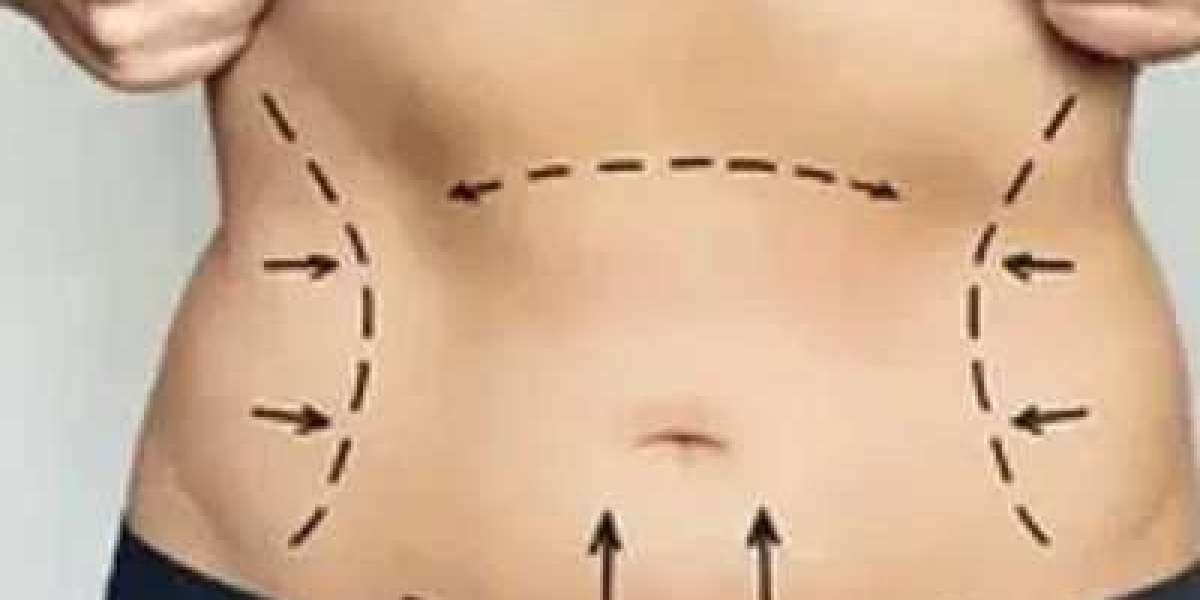

Abdominoplasty, commonly known as a tummy tuck, is a surgical body contouring procedure that restores abdominal shape by removing excess skin, reducing localized fat, and tightening separated or weakened abdominal muscles. It is typically performed after pregnancy, major weight loss, or natural aging changes when the abdominal wall loses elasticity and firmness.
Surgical decision-making factors
A successful abdominoplasty outcome depends on individualized planning. Surgeons evaluate:
- Skin elasticity and thickness
- Degree of muscle separation
- Fat distribution across abdomen and flanks
- Umbilical position and symmetry
- Overall body proportion
These factors determine whether a patient needs a full, mini, or extended procedure. No two abdominoplasty surgeries are identical because body anatomy varies significantly.
Blood supply and surgical safety
One of the most critical aspects of abdominoplasty is preserving blood supply to the abdominal skin flap. Excessive tightening or poor surgical technique can compromise circulation, leading to delayed healing. Skilled surgical planning ensures tissue viability while achieving aesthetic tightening.
Scar behavior and long-term appearance
Scars from abdominoplasty go through a natural evolution:
- Early stage: red and raised
- Mid stage: firm and slightly thickened
- Late stage (6–18 months): flatter and lighter
Scar outcome is influenced by genetics, skin type, tension on closure, and aftercare compliance.
Posture and biomechanical effects
After abdominoplasty, many patients experience subtle posture changes due to restored core support. Tightened abdominal muscles help stabilize the pelvis and spine, which may reduce strain on lower back muscles. However, full biomechanical adaptation requires gradual return to physical activity.
Limitations of surgery
Even though abdominoplasty significantly improves contour, it has limitations:
- It does not prevent future skin laxity
- It does not stop natural aging
- It cannot replace weight management
- It does not eliminate all stretch marks (only those in removed skin area)
Understanding these limitations helps set realistic expectations.
Lifestyle dependency of results
Long-term success of abdominoplasty is strongly influenced by patient behavior after surgery. Stable results depend on:
- Consistent weight maintenance
- Core strengthening after full healing
- Avoiding repeated weight cycling
- Healthy nutrition and hydration
Without these factors, abdominal shape may gradually change over time.
Clinical care and recovery structure
Proper post-operative care is essential in abdominoplasty. Structured follow-up ensures early detection of complications such as fluid accumulation or wound stress. Clinics like Enfield Royal Clinic typically emphasize monitored recovery, dressing care, and scheduled assessments to support healing stability.
Final Conclusion
Abdominoplasty is a highly structured surgical procedure that combines skin removal, fat contouring, and muscle repair to restore abdominal aesthetics and function. Its success depends on surgical precision, patient selection, and disciplined aftercare. When performed under professional supervision at Enfield Royal Clinic, it can deliver natural, stable, and long-lasting improvements in abdominal shape and body confidence.