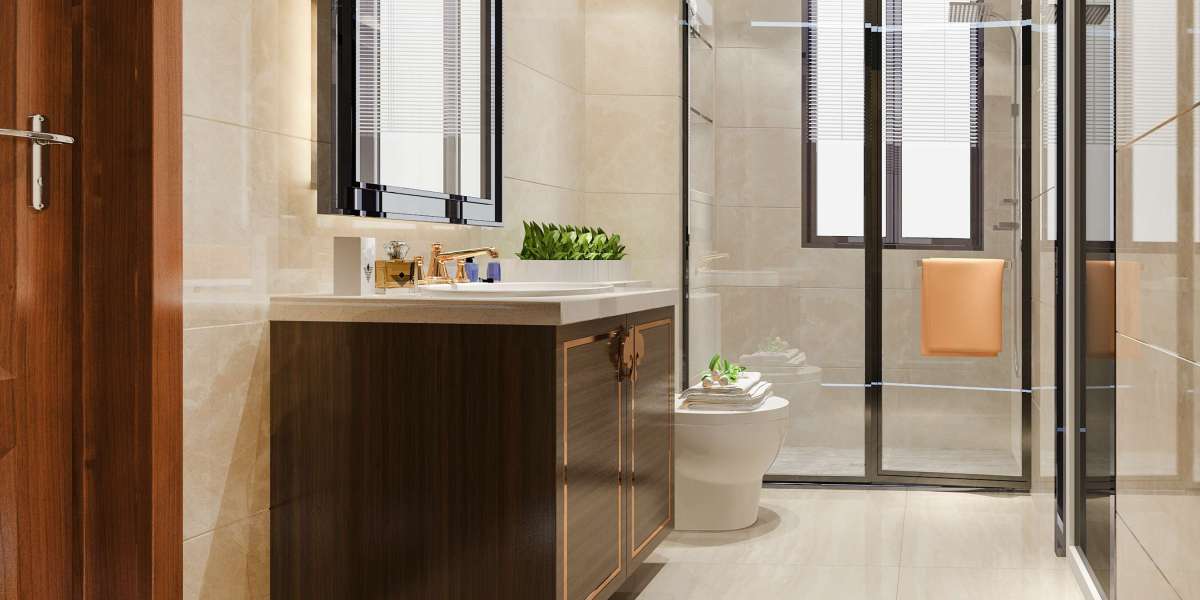

When you begin a home renovation, the ground beneath your feet often dictates the entire mood of the space. This is especially true when selecting the ideal flooring for washroom projects where moisture and high traffic are constant factors. You need a surface that can handle steam, splashes, and the occasional puddle without warping or growing mold. In 2026, the market has shifted away from basic utility toward materials that offer both extreme durability and high-end aesthetic appeal. A well-chosen floor serves as the anchor for your vanity, shower, and lighting, creating a cohesive look that feels both clean and inviting.
Choosing the wrong material can lead to costly repairs down the line. Wood that isn't properly treated or porous stone can absorb water, leading to structural issues or staining. This is why modern homeowners prioritize non-porous options that offer a "set it and forget it" level of maintenance. Whether you are updating a small powder room or a sprawling master suite, the goal is to find a balance between slip resistance and style. By understanding the technical requirements of wet environments, you can make an informed decision that adds long-term value to your property.
Top Material Contenders for Modern Washrooms
The diversity of materials available today is truly impressive. Luxury Vinyl Plank (LVP) remains a top contender because it is 100% waterproof and incredibly easy to install. It can mimic the look of hand-scraped hardwood or polished marble with startling accuracy. This allows you to have the warm look of wood in a space where traditional timber would fail. LVP is also softer underfoot than stone, which makes your morning routine a bit more comfortable during the colder months.
Porcelain and ceramic tiles continue to be the gold standard for traditional elegance. Porcelain is denser than ceramic, making it highly resistant to water absorption and heavy impact. In 2026, we are seeing a trend toward large-format tiles that minimize grout lines, creating a sleek and modern appearance. For those who want a more natural feel, slate and textured stone offer a sophisticated, organic look. These materials require a bit more maintenance, such as periodic sealing, but their unique character is unmatched by synthetic alternatives.
Safety and Practicality
Safety should never be an afterthought when picking out flooring for washroom installations. Wet floors are naturally slippery, so looking for materials with a high "slip resistance" rating is vital. Many modern tiles now come with a subtle texture or a matte finish specifically designed to provide better grip. Small mosaic tiles are also an excellent choice for shower floors because the frequent grout lines naturally create a non-slip surface. This is a practical design choice that protects everyone in your household from accidental falls.
Another practical consideration is the temperature of the floor. Stone and tile can feel quite icy in the winter, which might be a deterrent for some homeowners. To solve this, many people are integrating radiant floor heating systems beneath their new flooring. This adds a layer of luxury that turns a standard bathroom into a spa-like experience. It is also an energy-efficient way to keep the room warm without relying solely on forced-air heating. Investing in these small upgrades during the installation phase pays off in daily comfort for years to come.
Maintenance Tips to Keep Your Floors Pristine
Once your new floor is installed, keeping it beautiful requires a specific approach. Avoid using harsh acidic cleaners on natural stone, as they can etch the surface over time. For vinyl and porcelain, a simple pH-neutral cleaner is usually all you need to maintain the shine. It is also a good idea to use bath mats with breathable backing to prevent moisture from being trapped against the floor for long periods. Checking your grout once a year for any cracks or wear will help prevent water from seeping into the subfloor.
Conclusion
Your bathroom is one of the most personal spaces in your home. Taking the time to choose the right flooring for washroom use ensures that this space remains functional and beautiful for a lifetime. From the waterproof capabilities of vinyl to the timeless strength of porcelain, the options are vast and exciting. By prioritizing safety, durability, and your own personal style, you can create a room that truly reflects your lifestyle. A great floor is more than just a surface; it is the foundation of your home's comfort and value.
If you are ready to transform your space with the perfect materials, our team is here to help. At DayBrook Homes, we specialize in high-quality bathroom renovations tailored to your unique needs. We understand the technical requirements of localized Maryland projects and use only the best materials to ensure lasting results. Our experts can guide you through the selection process to find a floor that fits your budget and your vision. Visit us to start your journey toward a better bathroom today.
Frequently Asked Questions
What is the most waterproof flooring for washroom use?
Luxury Vinyl Plank (LVP) and Porcelain tile are the most waterproof options currently available. LVP is constructed with a waterproof core that will not swell even if submerged. Porcelain is fired at higher temperatures than ceramic, making it almost entirely impervious to water.
Can I use real hardwood in a washroom?
Traditional hardwood is generally not recommended because it is highly susceptible to moisture damage and warping. However, if you love the look of wood, you can opt for engineered wood with a specialized waterproof finish or use wood-look porcelain tile. These alternatives give you the same aesthetic without the risk of rot.
How do I prevent my washroom floor from being slippery?
Look for tiles with a matte or textured finish rather than a high-gloss glaze. You can also check the Coefficient of Friction (COF) rating on tile samples; a higher rating indicates better slip resistance. Using smaller tiles with more grout lines or adding high-quality bath mats in splash zones are also effective safety measures.