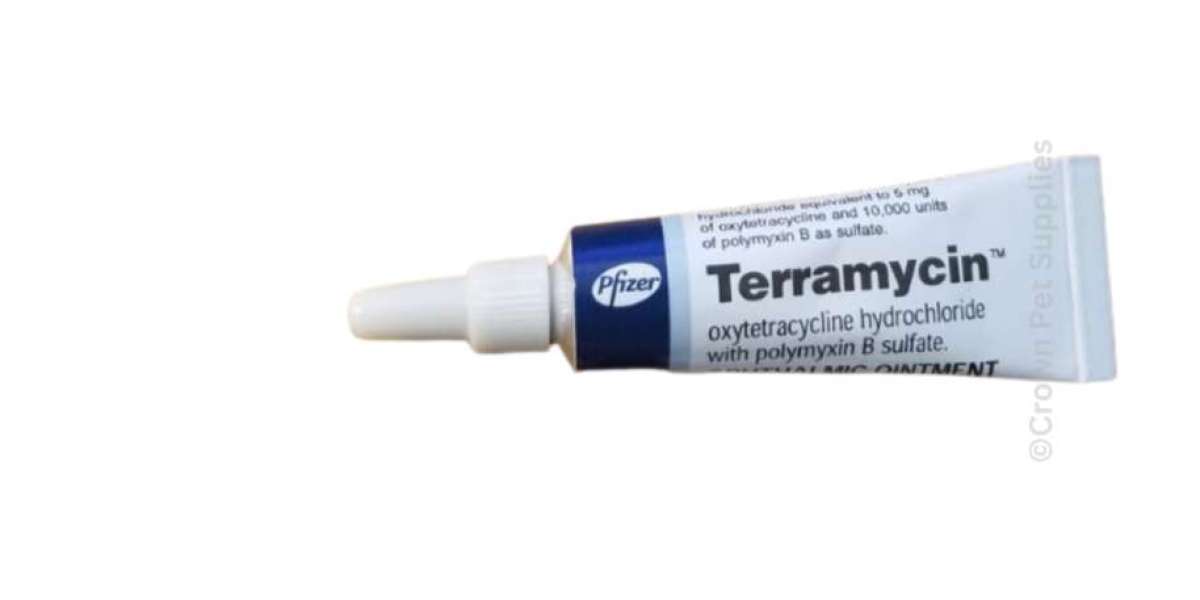

Ask any experienced bird keeper which eye treatment they keep in their medicine cabinet without fail, and terramycin eye ointment will come up repeatedly. Its decades long track record, broad spectrum effectiveness, and suitability across multiple bird species make it one of the most reliable avian health products available to bird keepers who prefer to be prepared.
The Antibiotic Behind the Ointment
Terramycin eye ointment contains oxytetracycline as its active antibiotic ingredient. Oxytetracycline belongs to the tetracycline antibiotic family, a group known for broad spectrum activity against both gram positive and gram negative bacteria. In the context of avian eye infections, this broad coverage is particularly valuable multiple bacterial species can cause similar appearing infections, and knowing the exact cause is not always possible without laboratory testing.
Terramycin eye ointment is formulated specifically for ophthalmic use, meaning it is designed to be safe and non-irritating on the sensitive surface of the eye. The ointment base allows it to remain in contact with the eye tissue long enough to exert its antibiotic effect, which is important because blinking would quickly clear a water based formulation.
What Types of Eye Problems Respond to This Treatment
While not every eye problem in birds is bacterial in origin, the majority of common eye infections that keepers encounter do have a bacterial cause and respond well to terramycin eye ointment. These include:
Conjunctivitis with bacterial involvement
Eyelid infections and surrounding tissue infections
Secondary bacterial infections complicating other eye conditions
Eye infections associated with systemic respiratory diseases caused by susceptible bacteria
Conditions that may not respond to this treatment include viral eye infections, fungal infections, parasitic eye conditions, and purely nutritional eye problems. If the infection does not improve within a few days of treatment, these alternatives should be considered.
Respiratory Disease and Eye Involvement
One important situation where tylan powder becomes relevant alongside terramycin eye ointment is when eye infections occur as part of a broader respiratory disease presentation. Tylosin, the active ingredient in tylan powder, has specific effectiveness against Mycoplasma species, which frequently cause both respiratory disease and conjunctivitis in birds simultaneously. When a bird has both eye discharge and respiratory symptoms, treating only the eye topically may resolve the visible eye symptoms while leaving the underlying systemic infection undertreated.
Crown Pet Supplies carries both eye infection treatments and respiratory treatments in their pigeon, cage aviary, and poultry sections, making it convenient to assemble a complete treatment approach when both eye and respiratory involvement are present.
Recovery Support After Eye Treatment
After completing a course of terramycin eye ointment, support the bird's recovery with good nutrition and a clean environment. The ocular tissues that were damaged by infection need time and nutritional building blocks to regenerate fully. Vitamin A is particularly important during this recovery phase as it directly supports the health of the conjunctival epithelium.
Conclusion
Terramycin eye ointment earns its place in every bird keeper's medicine kit through consistent, proven performance against the bacterial infections most likely to affect bird eyes. Understanding when to use it alone and when to combine it with systemic treatments like tylan powder for respiratory involvement makes you a more effective bird health manager. Crown Pet Supplies has both products and much more in their comprehensive online pet health store.