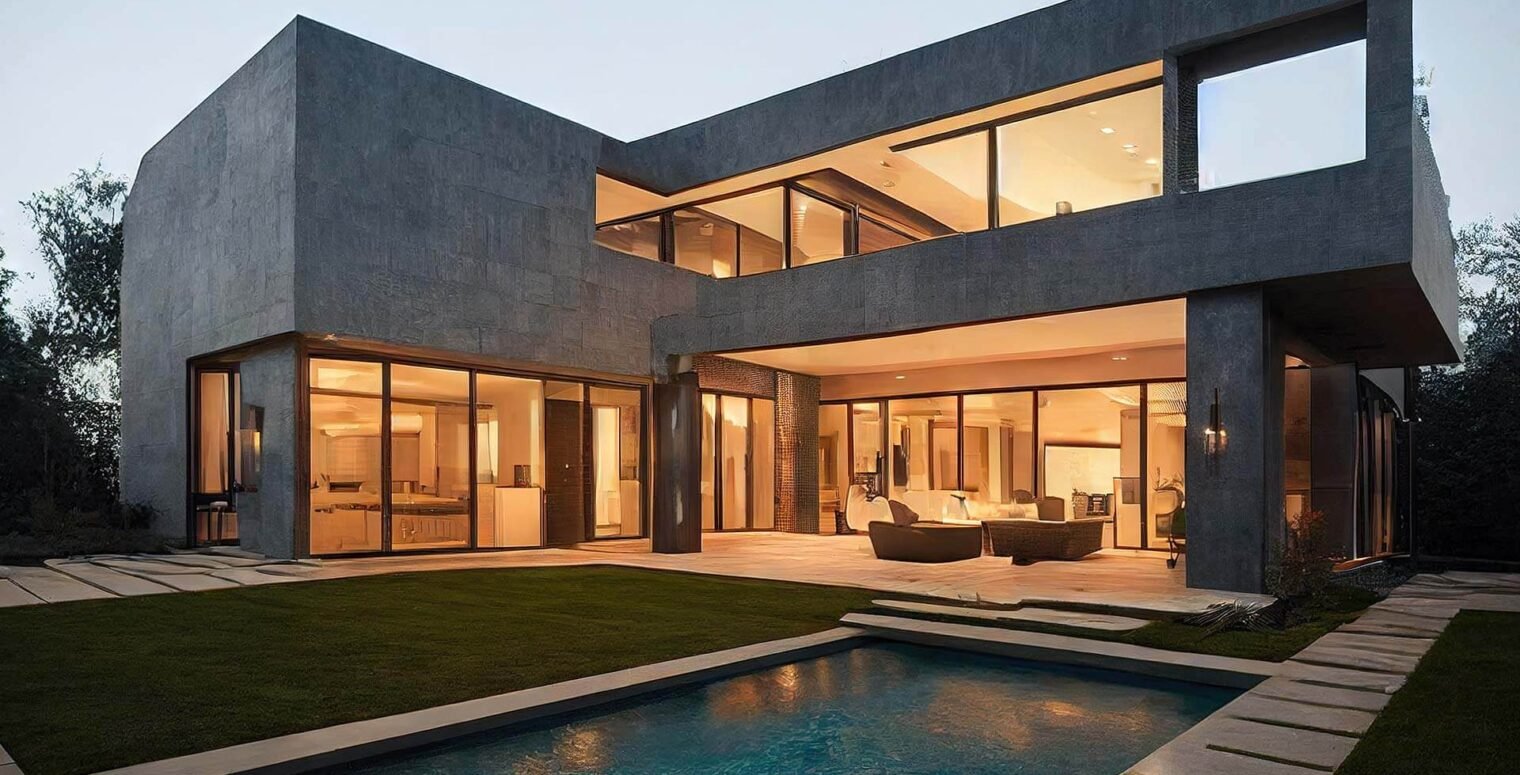
# Home Renovation and Commercial Building Upgrades: What to Consider Before Starting
Property improvement projects require careful planning, a clear budget, and an understanding of the building's existing condition. Whether you are upgrading a family home or modernizing a commercial property, identifying priorities before construction begins can help you make informed decisions.
## 1. Evaluate the Existing Property
Start by assessing the property's condition. Look for damaged flooring, leaking roofs, outdated plumbing, electrical issues, and visible cracks. Structural concerns should be evaluated by a qualified professional before any major modifications are planned.
## 2. Define Your Renovation Goals
Home renovation projects may focus on improving comfort, updating interiors, increasing storage, or making better use of available space. Commercial upgrades may involve reorganizing work areas, improving accessibility, or adapting premises to changing operational requirements.
A clearly defined scope helps establish priorities and reduces unnecessary changes during construction.
## 3. Understand Retrofitting Requirements
Retrofitting involves modifying an existing building to improve particular characteristics, such as structural performance or building-system functionality. The appropriate solution depends on a professional assessment rather than appearance alone.
For structural strengthening, consult qualified engineers who can recommend suitable methods based on the building's condition and applicable standards.
## 4. Plan the Budget and Timeline
Prepare a detailed estimate covering materials, labor, design services, approvals, and contingency expenses. Discuss the expected timeline with your contractor and identify activities that may affect daily household routines or business operations.
Comparing written estimates can help you understand differences in project scope, material specifications, and service inclusions.
## 5. Select the Right Construction Team
Before hiring a contractor, review relevant project experience, references, communication practices, and the clarity of the proposed work agreement. Confirm responsibilities, payment milestones, material specifications, and procedures for handling changes.
For complex renovation or retrofitting projects, coordination between contractors, architects, and structural engineers can be particularly important.
## 6. Check Approvals and Quality Standards
Confirm which permissions and inspections apply to your property before work starts. During construction, monitor progress against the agreed scope and ensure that materials and workmanship meet the specified requirements.
## Finding Suitable Renovation and Retrofitting Services
Alphabuildcon provides [renovation and retrofitting services](https://alphabuildcon.in/renovation-retrofitting/) for property improvement projects. Property owners can explore relevant services and assess their requirements before deciding on the scope of work.
**Conclusion**
Successful property upgrades depend on careful assessment, realistic budgeting, qualified professionals, and consistent quality checks. Planning each stage in advance can help homeowners and commercial property owners manage renovation projects more effectively while addressing the building's specific needs.