
When a loved one becomes critically ill, families are suddenly forced to make urgent decisions under extreme emotional pressure. In cities like Patna, it is common for patients with serious conditions to require transfer to advanced medical centers in metro cities such as Delhi, Mumbai, Chennai, or Hyderabad.
Reasons for transfer may include the need for advanced ICU care, specialized surgeries, organ transplants, or super-specialty treatments not immediately available locally. In such situations, acting quickly is important—but acting wisely is even more critical.
A well-planned medical transfer ensures patient safety, continuity of care, and avoids unnecessary complications. This guide explains what to do step by step when a critical patient needs transfer from Patna, helping families make informed decisions during a difficult time.
Step 1: Understand the Patient’s Medical Condition
The first and most important step is to clearly understand the patient’s current medical status.
Speak with the treating doctor immediately and ask direct questions about the patient’s condition. It is necessary to evaluate whether the patient is:
- Stable but critical
- On oxygen support
- On ventilator or full ICU care
Request a written medical summary or referral note from the hospital. This document should include diagnosis, current treatment, vital stability, and the reason for transfer.
This step is crucial because the patient’s condition determines:
- Whether transfer is safe
- What type of medical equipment is required
- Which mode of transport is medically appropriate
Without accurate medical assessment, transfer planning can become risky.
Step 2: Decide the Right Mode of Medical Transport
Choosing the correct mode of medical transport is a medical decision and should be made in consultation with doctors.
Road Ambulance
Road ambulances are suitable for short-distance transfers within the city or nearby areas. However, they have limitations for long journeys due to traffic delays, patient discomfort, and limited medical stability over extended hours.
Train Ambulance
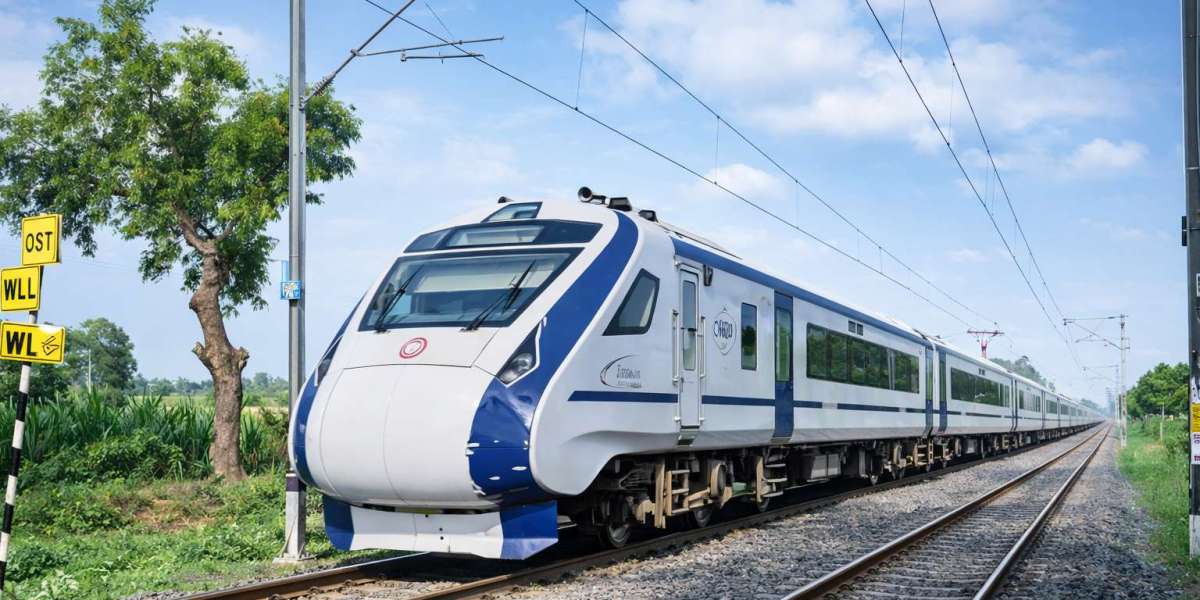
Train ambulance services in Patna are often the preferred option for long-distance patient transfers from Patna to metro cities. They allow continuous medical monitoring, better space for ICU equipment, and smoother travel compared to long road journeys. Train ambulances are also more affordable than air ambulances for many families.
Air Ambulance
Air ambulances are the fastest option and are recommended for extremely time-sensitive cases, such as severe trauma or organ failure. However, they are more expensive and require stable weather conditions and airport access.
Doctors usually recommend the transport mode based on urgency, patient stability, distance, and available medical support.
Step 3: Choose a Reliable Medical Transport Provider
Not all medical transport services are equipped to handle critical patients. Working with an experienced and dependable medical transport provider is crucial for patient safety.
Before finalizing a service, check:
- Availability of ICU equipment such as ventilators and monitors
- Presence of trained doctors, nurses, or paramedics onboard
- 24/7 coordination and emergency response capability
- Complete bed-to-bed transfer support
Experienced providers also manage railway permissions, ambulance coordination, and hospital communication, reducing stress for families and minimizing delays.
Step 4: Arrange Medical Documents and Reports
Proper documentation is often overlooked but plays a vital role in smooth transfer and hospital admission.
Keep the following documents ready:
- Doctor’s referral letter
- Latest medical reports, scans, and prescriptions
- Patient ID and consent forms
- Insurance documents or payment details, if applicable
Having documents organized helps speed up booking, avoids last-minute confusion, and ensures the receiving hospital is prepared in advance.
Step 5: Coordinate with the Receiving Hospital
Before starting the transfer, confirm that the receiving hospital is ready to accept the patient.
This includes:
- Confirming bed and ICU availability
- Sharing detailed medical information
- Obtaining written admission confirmation whenever possible
Many delays occur when patients reach the destination without confirmed admission. Prior coordination ensures immediate handover and uninterrupted treatment.
Step 6: Prepare for the Patient Transfer Process
Once logistics are finalized, preparation for the actual transfer begins.
This includes:
- Ambulance pickup from hospital or home
- Medical stabilization before movement
- Checking all equipment and power backups
- Briefing family members about the process
The goal at this stage is to ensure maximum patient safety and comfort throughout the journey.
Step 7: During the Transfer: What Happens?
During the transfer, the medical team continuously monitors the patient’s condition.
Support provided may include:
- Oxygen therapy or ventilator support
- Cardiac and vital monitoring
- Medication administration
- Emergency intervention if required
The medical team stays in constant communication with the receiving hospital to prepare for immediate admission upon arrival. Families can take reassurance in knowing that the patient is under professional medical supervision throughout the journey.
Step 8: Hospital Handover and Admission
The final and most critical phase is hospital handover.
This involves:
- Safe movement of the patient from ambulance or train to hospital bed
- Complete transfer of medical reports and treatment details
- Clear communication between transport team and hospital doctors
A professional handover ensures continuity of care and prevents treatment delays or medical errors.
Common Mistakes Families Should Avoid
During emergencies, families may unintentionally make decisions that complicate transfers. Common mistakes include:
- Delaying the transfer decision
- Choosing transport based only on cost
- Not confirming ICU setup and medical staff
- Ignoring the treating doctor’s recommendation
Avoiding these mistakes can significantly improve patient outcomes.
FAQs: Critical Patient Transfer from Patna
How quickly can a transfer be arranged?
Depending on patient condition and transport availability, transfers can often be arranged within 12 to 24 hours.
Is train ambulance safe for ICU patients?
Yes, when equipped with proper ICU setup and trained medical staff, train ambulances are safe for long-distance ICU transfers.
Can family members travel with the patient?
In most situations, one or two family members may accompany the patient.
How much does medical transfer cost from Patna?
Costs vary based on distance, medical equipment, and staff required. Train ambulance are usually a more cost-effective option than air ambulances.
Conclusion: Stay Calm, Act Fast, Choose Right
When a critical patient needs transfer from Patna, the situation can feel overwhelming. However, timely action, informed decisions, and professional medical support can make a significant difference.
Understanding the patient’s condition, choosing the right transport, coordinating hospitals, and relying on experienced medical transport providers ensures safety and continuity of care. In emergencies, staying calm and seeking expert help immediately is the best way to protect your loved one’s health.