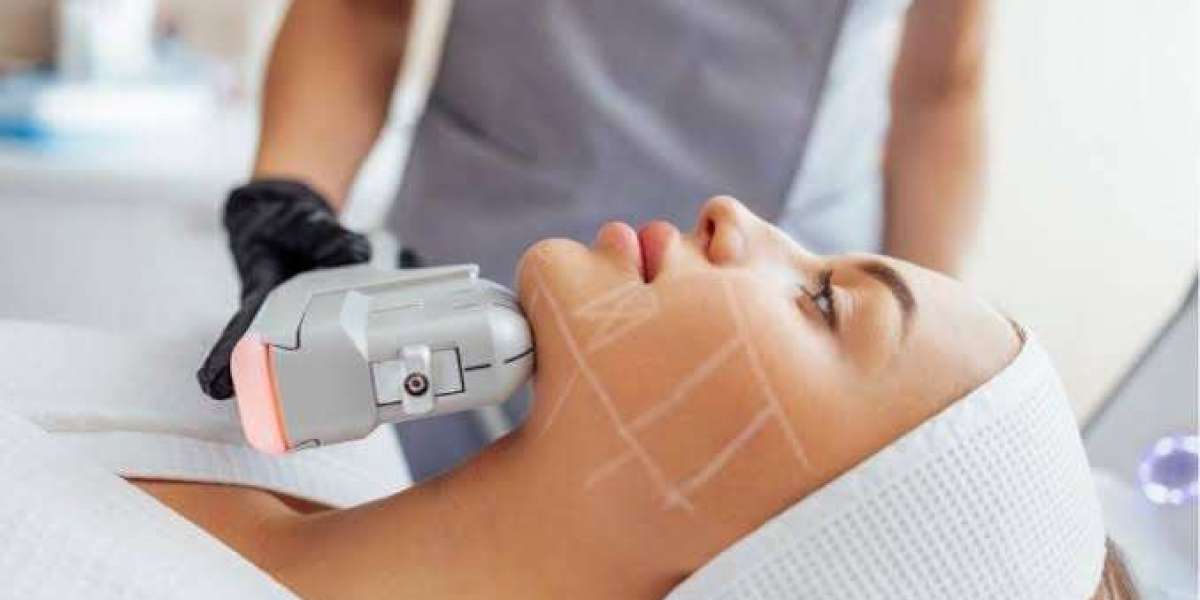
The answer varies from person to person. Factors such as scar type, scar severity, skin condition, treatment method, and individual healing response all influence the number of sessions needed. Some patients see improvement after only a few treatments, while others require a more comprehensive treatment plan to achieve their goals.
For individuals considering Acne Scars Treatment in Islamabad, understanding the typical treatment timeline can help set realistic expectations and prepare for the journey toward smoother, healthier-looking skin.
Why Multiple Sessions Are Often Necessary
Acne scars are not surface-level imperfections. Most scars involve changes within the deeper layers of the skin, making them more complex to treat than simple discoloration.
Modern treatments work by:
- Stimulating collagen production
- Remodeling damaged tissue
- Encouraging skin regeneration
- Improving texture and tone
- Reducing scar depth
Because these biological processes occur gradually, multiple sessions are usually required to achieve significant improvement.
Rather than producing dramatic overnight changes, treatments create progressive enhancements over time.
Factors That Determine the Number of Sessions
Every patient has unique skin characteristics and treatment goals. Several important factors influence how many appointments may be needed.
Scar Type
Different types of acne scars respond differently to treatment.
For example:
- Ice pick scars often require more intensive treatment.
- Rolling scars may improve with fewer sessions when treated appropriately.
- Boxcar scars typically respond well to collagen-stimulating procedures.
The specific scar type helps determine the most suitable treatment approach.
Scar Severity
Mild scars generally require fewer sessions than deep or widespread scarring.
Patients with severe acne scars may need a combination of treatments and a longer treatment plan to achieve optimal results.
Skin Condition
Healthy skin often heals more efficiently, which may positively affect treatment outcomes.
Skin quality, hydration, and overall skin health can influence how quickly improvements become visible.
Individual Healing Response
Every person's body produces collagen at a different rate. Some individuals notice faster improvement, while others require additional sessions for comparable results.
Laser Resurfacing Session Requirements
Laser therapy is one of the most popular treatments for acne scars.
Fractional laser treatments stimulate collagen production while improving skin texture and scar visibility.
Typical Number of Sessions
Most patients require:
- 3 to 6 laser sessions
- Treatments spaced several weeks apart
Patients with deeper scars may need additional treatments depending on their goals and response to therapy.
Why Multiple Laser Sessions Help
Each session stimulates new collagen production and gradually improves skin quality. Repeated treatments allow the skin to rebuild and remodel over time.
Microneedling Treatment Plans
Microneedling is another commonly recommended option for acne scar management.
The procedure creates controlled micro-injuries that trigger the body's natural healing response.
Average Number of Sessions
Many patients benefit from:
- 4 to 6 treatment sessions
- Sessions scheduled approximately one month apart
Some individuals with more severe scarring may require additional treatments.
Gradual Skin Improvement
Microneedling promotes ongoing collagen formation, meaning results continue to improve even between sessions.
PRP Therapy and Session Frequency
Platelet-Rich Plasma (PRP) therapy is frequently combined with microneedling or laser procedures.
PRP contains growth factors that support healing and tissue regeneration.
Recommended Treatment Schedule
Most treatment plans include:
- 3 to 6 sessions
- Regular intervals determined by the dermatologist
PRP often enhances the effectiveness of other acne scar treatments and may improve overall skin quality.
Subcision for Deep Acne Scars
Subcision is commonly used for rolling scars and depressed acne scars caused by fibrous bands beneath the skin.
How Many Sessions Are Needed?
Unlike some other procedures, subcision may require fewer treatments.
Many patients benefit from:
- 1 to 3 sessions
- Additional sessions if necessary
The number depends on the extent of scar tethering and overall treatment goals.
Combining Subcision with Other Treatments
Subcision is often paired with laser therapy or microneedling to achieve more comprehensive improvements.
Chemical Peels and Treatment Frequency
Chemical peels can help improve skin texture, pigmentation, and mild acne scars.
Typical Treatment Plan
Patients often undergo:
- 3 to 6 peel sessions
- Treatments spaced several weeks apart
The exact number depends on the strength of the peel and the desired results.
Role in Acne Scar Management
Chemical peels are frequently used as part of a broader treatment strategy rather than as a standalone solution for deep scars.
Combination Treatments Often Require Fewer Overall Sessions
Modern dermatology frequently combines multiple treatments to target different aspects of scarring.
Common combinations include:
- Microneedling with PRP
- Laser resurfacing with PRP
- Subcision with laser therapy
- Chemical peels with microneedling
Combination approaches often improve efficiency and may produce more noticeable results within a shorter overall treatment timeline.
When Will Results Become Noticeable?
Many patients expect immediate changes after treatment. While some improvement may be visible early, the most significant results usually appear gradually.
Early Improvements
Patients may notice:
- Brighter skin
- Improved texture
- More even skin tone
within a few weeks of treatment.
Long-Term Changes
Collagen remodeling continues for several months after each session.
Substantial scar reduction often becomes more apparent after completing multiple treatments.
Why Patience Is Important
Acne scar treatment relies heavily on the body's natural healing process.
Collagen production takes time, and rushing treatment can increase the risk of irritation while limiting effectiveness.
Patients who remain committed to their treatment plan often achieve the best outcomes.
Understanding that improvement is gradual helps maintain realistic expectations throughout the process.
Can Fewer Sessions Still Be Effective?
For individuals with mild scarring, fewer treatments may still produce satisfying results.
In some cases:
- Mild scars respond quickly
- Early intervention improves outcomes
- Younger skin may heal more efficiently
However, deeper scars generally require a more extensive treatment plan.
A consultation with a dermatologist is the best way to estimate the number of sessions needed.
The Importance of Personalized Treatment Plans
There is no universal number of treatments that works for everyone.
A personalized assessment helps determine:
- Scar type
- Scar severity
- Skin characteristics
- Treatment goals
- Appropriate procedures
This customized approach maximizes effectiveness while ensuring patient safety.
Maintaining Results After Treatment
Once treatment goals are achieved, maintaining healthy skin becomes important.
Patients are often advised to:
- Use sunscreen daily
- Follow a professional skincare routine
- Treat active acne promptly
- Stay hydrated
- Attend follow-up appointments when necessary
Proper skincare helps preserve improvements and prevent future scarring.
Final Thoughts
The number of sessions required for Acne Scars Treatment in Islamabad depends on several factors, including scar type, severity, skin condition, and the chosen treatment method. While some patients notice improvements after just a few sessions, most achieve optimal results through a series of treatments that gradually stimulate collagen production and improve skin texture.
Procedures such as laser resurfacing, microneedling, PRP therapy, subcision, and chemical peels all have different treatment timelines, but they share a common goal: reducing scar visibility and creating smoother, healthier-looking skin. By following a personalized treatment plan and maintaining realistic expectations, patients can achieve significant and long-lasting improvements in their skin’s appearance.
For more information visit Enfield royal clinic in islamabad