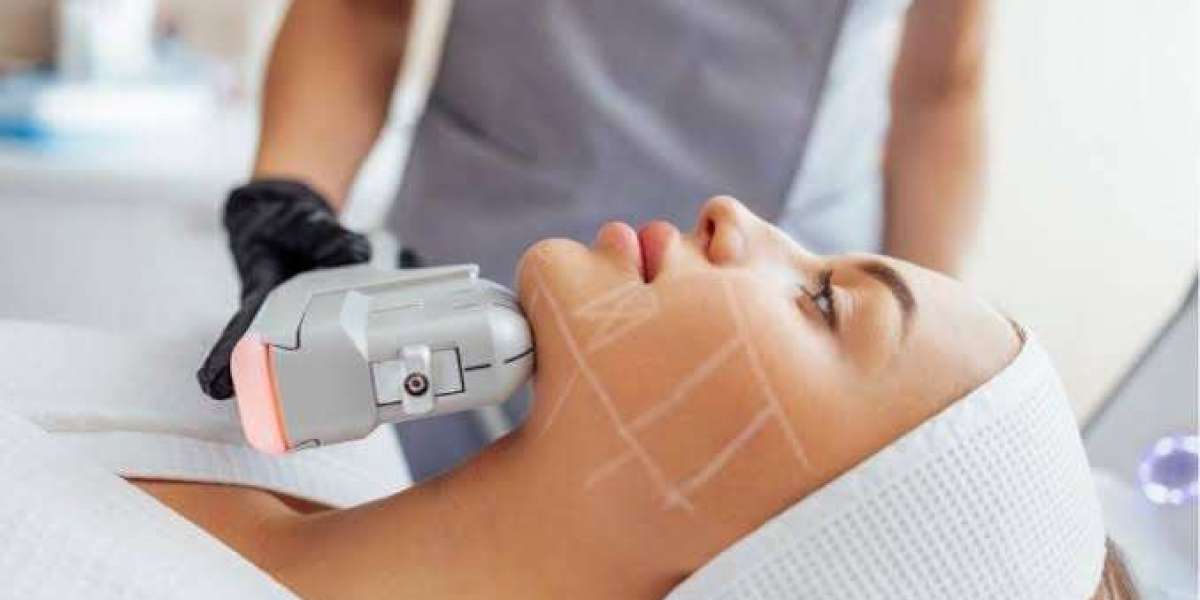
Laser hair removal is often described in simple terms as a light-based method for reducing unwanted hair, but what actually happens beneath the skin is a highly precise biological and thermal interaction. The process begins when a concentrated beam of light penetrates the skin and seeks out melanin, the pigment responsible for hair color. Once absorbed, this light energy is converted into heat, which travels down the hair shaft into the follicle. Inside the follicle, this heat disrupts the cells responsible for hair growth, particularly those in the bulb and bulge region where stem cells reside. Over time and with repeated sessions, this controlled damage weakens the follicle’s ability to regenerate hair, leading to a gradual reduction in hair density and thickness. The surrounding skin, however, remains largely unaffected due to the principle of selective photothermolysis, which ensures that only pigmented structures absorb the laser energy. This delicate balance between destruction and preservation is what makes the treatment both effective and safe when properly administered. In clinical aesthetics, Laser Hair Removal in Islamabad is widely performed using this exact mechanism, relying on precise energy delivery to achieve long-term follicular disruption without harming surrounding tissues.
The Journey of Laser Light Through the Skin
When the laser is activated, it emits a controlled wavelength of light.
This light penetrates the outermost layer of the skin, known as the epidermis.
It travels deeper until it reaches the hair follicle located in the dermis.
Melanin: The Primary Target Inside the Skin
Melanin is the pigment that gives hair its color.
It acts as the main absorber of laser energy.
Darker hair contains more melanin and absorbs more heat.
Conversion of Light Into Heat Energy
Once melanin absorbs laser light, it converts it into heat.
This sudden temperature increase affects the surrounding follicular cells.
The heat is carefully controlled to avoid damaging nearby skin tissue.
What Happens in the Hair Follicle
Inside the follicle, several important structures are affected.
The hair bulb, which produces new hair cells, becomes damaged.
The dermal papilla, responsible for growth signaling, is also disrupted.
Damage to Follicular Stem Cells
Stem cells in the bulge region play a key role in hair regeneration.
Laser heat weakens or destroys these regenerative cells.
This reduces the follicle’s ability to produce new hair.
Why Surrounding Skin Remains Safe
The principle of selective photothermolysis protects surrounding tissue.
Only structures with high melanin absorb significant energy.
Non-pigmented skin structures remain largely unaffected.
The Role of Thermal Thresholds
Each tissue type has a different heat tolerance level.
Laser settings are calibrated to stay within safe limits.
This ensures follicle damage without epidermal injury.
Immediate Skin Response After Treatment
The skin may show mild redness or warmth.
This reaction is temporary and indicates controlled inflammation.
It usually subsides within a few hours.
Subsurface Inflammatory Response
Below the surface, immune cells begin cleanup activity.
Damaged follicular structures are gradually broken down.
The body naturally expels weakened hair over time.
Hair Shedding Process Explained
Hair does not fall out immediately after treatment.
It gradually pushes out from the follicle over days or weeks.
This is often mistaken as regrowth, but it is shedding.
Why Multiple Sessions Are Needed
Not all follicles are active at the same time.
Only follicles in the anagen phase respond effectively.
Repeated sessions ensure full coverage of all growth cycles.
Role of Skin Type in Energy Absorption
Skin with higher melanin content absorbs more energy.
This requires careful adjustment of laser intensity.
Lighter skin allows more direct follicle targeting.
Depth of Penetration Inside Skin Layers
Different lasers penetrate to different depths.
Deeper penetration reaches follicle roots more effectively.
Shallower penetration targets upper follicle structures.
Cellular Repair Mechanisms After Laser Exposure
The skin activates repair pathways after treatment.
Damaged cells are cleared by immune responses.
Healthy surrounding tissue remains intact and stable.
Collagen Response and Skin Texture
Laser energy may also stimulate mild collagen activity.
This can improve skin smoothness over time.
However, its primary goal remains hair reduction.
Factors Affecting Internal Skin Response
Hair thickness and density influence energy absorption.
Hormonal factors may affect follicle resilience.
Skin hydration also plays a role in recovery speed.
Cooling Systems and Their Role
Modern devices use cooling to protect the epidermis.
Cooling reduces discomfort and prevents overheating.
It ensures energy remains focused on follicles only.
Long-Term Changes Inside the Skin
Repeated treatments permanently reduce follicle activity.
Stem cell populations become inactive over time.
Hair regrowth becomes finer and less frequent.
Safety Mechanisms in Modern Laser Devices
Advanced systems monitor skin temperature in real time.
They adjust energy output to avoid damage.
This improves precision and safety significantly.
Future Understanding of Skin-Level Laser Interaction
Research is ongoing into real-time follicle mapping.
AI may soon predict follicle response during treatment.
This will further optimize internal skin targeting.
FAQs
What exactly does laser do inside the skin?
It heats and damages hair follicles by targeting melanin pigment.
Does laser damage the skin itself?
No, it selectively targets follicles while preserving surrounding skin.
Why doesn’t hair fall out immediately?
Because damaged hair takes time to shed naturally.
Is the process painful inside the skin?
Only mild heat is felt due to controlled energy delivery.
Does laser permanently destroy follicles?
It significantly reduces follicle activity, leading to long-term hair reduction.