
Completing an ancestry DNA test is only the beginning of your journey into family history and genetic genealogy. While sending your saliva sample to the laboratory may take only a few minutes, the real discovery begins once your DNA is analyzed and your results become available. Many first-time users assume they will simply receive an ethnicity report, but modern ancestry DNA testing provides much more than a breakdown of ancestral regions. From DNA matches and genetic communities to family tree building and migration insights, every section of your report adds another piece to your family's story.
Understanding what happens after you complete an Ancestry DNA Test in UAE helps you interpret your results correctly, avoid common misconceptions, and make the most of your genealogy research. This guide explains every stage of the process, from laboratory analysis to using your results for long-term family history exploration.
Your DNA Begins Its Journey to the Laboratory:
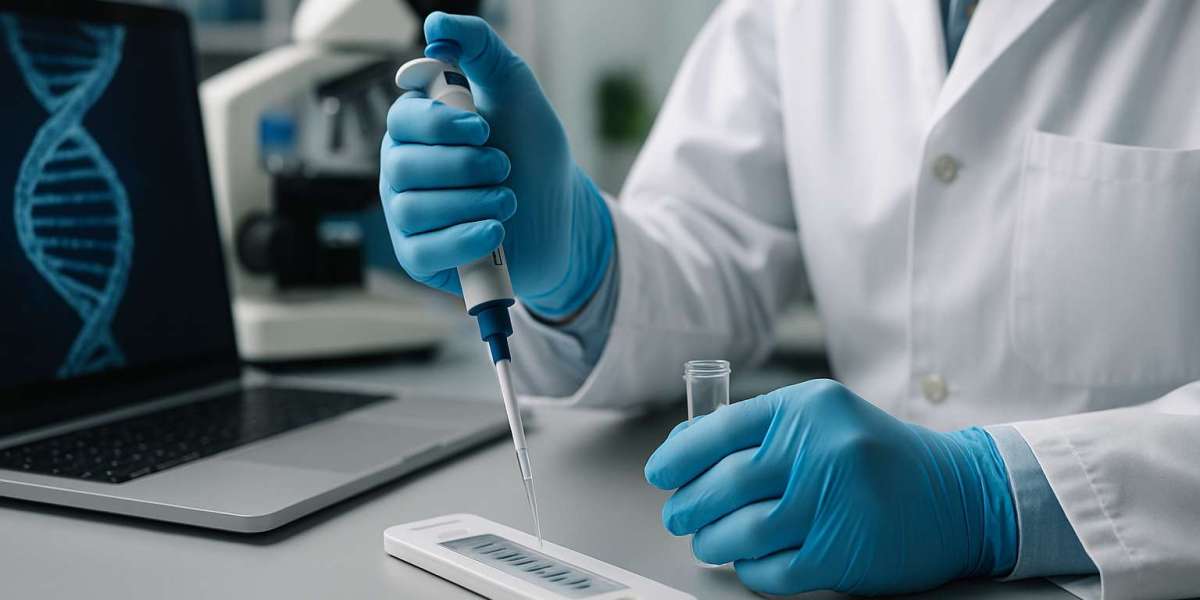
Once you mail your ancestry DNA sample, it is transported to a specialized genetics laboratory where trained scientists begin the testing process.
The first step involves registering your sample and linking it to your secure online account. This ensures your genetic information remains associated with your testing kit throughout the analysis.
Next, laboratory specialists extract DNA from your saliva sample and evaluate its quality. If the sample meets laboratory standards, the testing process continues. If the DNA quantity or quality is insufficient, you may be asked to submit another sample.
This careful screening helps ensure the final ancestry report is as accurate as possible.
How Your DNA Is Analyzed?
After successful extraction, advanced laboratory equipment examines hundreds of thousands of genetic markers across your genome.
Most ancestry DNA tests focus on Single Nucleotide Polymorphisms (SNPs), which are tiny genetic variations inherited from your parents. These markers are extremely useful for identifying biological relationships and estimating ancestral origins.
The laboratory compares your genetic markers with extensive reference databases containing DNA samples from populations around the world. Sophisticated algorithms then calculate similarities between your DNA and these populations to produce ancestry estimates.
This entire process usually takes several weeks because every sample undergoes multiple quality checks before results are released.
Receiving the Notification That Your Results Are Ready:
After the laboratory completes its analysis, you will receive a notification that your ancestry DNA results are available.
Most testing companies provide access through a secure online dashboard where every section of your report is organized for easy navigation.
Rather than viewing everything at once, take time to explore each feature carefully. Every section contributes different information about your genetic heritage, and understanding how they work together produces the most meaningful insights.
Your First Look: Ethnicity Estimate
The ethnicity estimate is usually the first feature users explore after logging into their DNA account.
This report compares your DNA with reference populations from different parts of the world and estimates where your ancestors most likely originated.
You may see ancestry connected to regions such as:
- Northern Europe
- Southern Europe
- East Asia
- South Asia
- West Africa
- Middle East
- Indigenous Americas
- Oceania
These percentages represent genetic similarities rather than exact historical records. They are statistical estimates based on current scientific knowledge and reference databases.
As research advances and databases expand, your ethnicity estimate may become more refined over time.
Exploring Your DNA Matches:
Perhaps the most exciting part of completing an ancestry DNA test is discovering people who share your DNA.
Testing companies compare your genetic profile with millions of other users to identify biological relatives based on shared DNA segments.
Possible matches include:
- Parents
- Children
- Siblings
- Grandparents
- First cousins
- Second cousins
- Distant cousins
Each match includes an estimated relationship based on the amount of DNA you share.
These connections often become valuable starting points for expanding your family tree and verifying family history.
Understanding Shared DNA:
Every DNA match includes information about the amount of genetic material shared between you and another individual.
This shared DNA is commonly measured in centimorgans (cM), a unit used to estimate biological relationships.
Generally:
- Higher shared DNA suggests closer relatives.
- Lower shared DNA indicates more distant family connections.
Although relationship estimates are highly accurate for immediate family members, more distant matches often require additional genealogy research before conclusions can be confirmed.
Understanding shared DNA helps prioritize which relatives to investigate first.
Discovering Genetic Communities:
Many ancestry DNA reports include genetic communities in addition to ethnicity estimates.
Unlike broad geographic regions, genetic communities identify groups of individuals whose ancestors lived together for many generations before migrating elsewhere.
These communities often provide valuable clues about:
- Historical settlements
- Regional ancestry
- Migration routes
- Shared family history
- Population movements
For genealogists, genetic communities frequently offer more practical research guidance than ethnicity percentages alone.
Viewing Historical Migration Patterns:
Another fascinating feature available after completing an ancestry DNA test is migration analysis.
Scientists combine population genetics, archaeology, anthropology, and historical records to estimate how ancestral populations moved across continents over thousands of years.
Migration reports place your genetic heritage within broader human history by illustrating the movements of populations that contributed to your DNA.
Although these reports cannot identify individual ancestors, they provide valuable historical context for understanding your origins.
Connecting Your DNA to a Family Tree:
Receiving your DNA results is an excellent time to begin or expand your family tree.
Start by documenting everything you already know about your family, including names, birthplaces, marriages, and important dates.
Next, compare your closest DNA matches with historical records such as:
- Birth certificates
- Marriage licenses
- Census records
- Immigration documents
- Church registers
- Military records
Combining documentary evidence with DNA analysis creates a stronger and more accurate genealogy.
Every verified connection strengthens your understanding of family relationships.
Contacting DNA Matches:
Many ancestry DNA platforms allow users to communicate with genetic relatives.
When reaching out, introduce yourself politely and explain the possible family connection. Respect privacy, avoid making assumptions, and recognize that not everyone is equally interested in genealogy research.
Collaborating with willing relatives may lead to valuable discoveries, including family photographs, historical documents, oral histories, and additional branches of your family tree.
Building positive relationships with DNA matches often enhances the overall research experience.
Reviewing Your Privacy Settings:
After receiving your results, take time to review your privacy preferences.
Most ancestry DNA companies allow you to manage:
- Relative matching visibility
- Research participation
- DNA data storage
- Public family tree access
- Account deletion options
Understanding these settings ensures you remain comfortable with how your genetic information is stored and shared.
Maintaining control over your personal data is an important part of responsible DNA testing.
Why Your Results May Change Later?
Many users are surprised to discover that ancestry DNA reports continue evolving.
This happens because testing companies regularly improve their reference databases and analytical methods.
Future updates may include:
- More detailed ethnicity estimates
- Additional DNA matches
- Improved relationship predictions
- Expanded genetic communities
- Refined migration analysis
Your DNA itself never changes. Instead, scientific understanding becomes increasingly accurate as more people contribute to global genetic databases.
Checking your account periodically allows you to benefit from these ongoing improvements.
What If You Discover Unexpected Information?
One of the most important things to remember after completing an ancestry DNA test is that unexpected discoveries are possible.
Some individuals learn about previously unknown relatives, unexpected ethnic origins, adoption cases, or hidden family branches.
While these findings can be surprising, they also provide opportunities to deepen your understanding of your family's history.
Approach every discovery thoughtfully and support your conclusions with historical documents whenever possible.
Respect the privacy and emotions of everyone involved, especially when contacting newly discovered relatives.
Turning Your DNA Results into Long-Term Research:
An ancestry DNA test should be viewed as the beginning of an ongoing genealogy project rather than a one-time event.
Continue exploring historical archives, census records, newspapers, family letters, photographs, and local history collections. Document every verified discovery carefully and update your family tree as new information becomes available.
Joining genealogy societies, online research communities, and family history forums can also provide valuable support and additional research strategies.
The more evidence you collect, the richer and more accurate your family history becomes.
Frequently Asked Questions:
How long does it take to receive ancestry DNA results?
Most ancestry DNA tests are completed within two to eight weeks after the laboratory receives your sample, although processing times may vary depending on demand.
Why do new DNA matches appear later?
As more people complete DNA tests and join the company's database, additional relatives may be identified and added to your DNA match list.
Can my ethnicity estimate change?
Yes. Ethnicity estimates are updated as reference populations expand and scientific research improves, making reports more detailed over time.
Should I contact all my DNA matches?
It is usually best to begin with your closest matches, as they are more likely to provide meaningful information for building your family tree.
Final Thoughts:
Completing an ancestry DNA Lab tests marks the beginning of an exciting journey into your family's past rather than the end of it. From receiving your ethnicity estimate and exploring DNA matches to discovering genetic communities and expanding your family tree, each stage provides valuable insights that deepen your understanding of your ancestral heritage.
The greatest value comes from combining genetic evidence with traditional genealogy research. Historical records, family stories, photographs, and official documents work alongside DNA analysis to create a more complete picture of your family's history. By approaching your results with curiosity, patience, and a commitment to careful research, you can transform a simple DNA test into a lifelong exploration of the people, places, and generations that shaped your unique identity.