
Navigating Post-Acute Care: A Guide to Choosing the Right Skilled Nursing Facility
Making the decision to seek specialized care for a loved one—or for yourself—following a severe injury, complex surgery, or major medical illness is an incredibly overwhelming experience. You are faced with a tight timeline, insurance complexities, and the heavy emotional weight of ensuring your family member receives compassionate, top-tier medical attention. When you type skilled nursing facility near me into a search engine, you are instantly met with a barrage of options, directories, and advertisements, making it difficult to discern which center will truly provide the highest standard of care. This comprehensive guide is designed to demystify the selection process, outlining exactly what these facilities do, the critical services they provide, and the essential factors you must evaluate to make an informed, confident decision.
Understanding the Role of a Skilled Nursing Facility
A skilled nursing facility (SNF) is a specialized clinical care center designed to provide high-level medical care and intensive rehabilitation for individuals who are transitioning from a hospital stay but are not yet ready or able to safely return home. These facilities bridge the critical gap between acute hospital care and independent living.
What Differentiates Skilled Nursing from Assisted Living?
It is a common misconception that skilled nursing facilities and assisted living communities are interchangeable. In reality, they serve vastly different purposes and are staffed in entirely different ways. Understanding this distinction is the first step in ensuring your loved one receives the correct level of care.
Feature | Skilled Nursing Facility (SNF) | Assisted Living Facility (ALF) |
Primary Focus | Medical rehabilitation and complex clinical care. | Social engagement and basic daily living assistance. |
Medical Staff | Registered Nurses (RNs), LPNs, specialized therapists, and physicians on-site or on-call 24/7. | Basic caregivers and medication aides; limited nursing presence. |
Duration of Stay | Often short-term (post-acute recovery) but can be long-term for severe chronic conditions. | Long-term, permanent residential living. |
Payment Options | Often covered partially by Medicare/Medicaid or private health insurance for a set period. | Mostly out-of-pocket, private pay, or specific long-term care insurance. |
The Importance of 24/7 Medical Supervision
The defining characteristic of an excellent SNF is the continuous presence of licensed medical professionals. Recovery from conditions like a stroke, cardiac surgery, or a severe joint replacement can be volatile. Complications can arise in the middle of the night, and managing intense pain or adjusting complex medication regimens requires immediate, expert intervention. Round-the-clock nursing supervision ensures that slight changes in a patient’s vital signs or cognitive state are recognized and treated proactively, preventing hospital readmissions and safeguarding the patient's recovery trajectory.
Core Medical and Rehabilitative Services Offered
When evaluating a facility, it is essential to look closely at its clinical capabilities. The best facilities operate with an interdisciplinary approach, meaning doctors, nurses, therapists, and dietitians collaborate to create a highly personalized care plan.
Comprehensive Rehabilitation Therapy
A premier facility will offer a robust, in-house rehabilitation department that operates up to seven days a week. The intensity and quality of therapy dictate the speed and success of a patient's recovery.
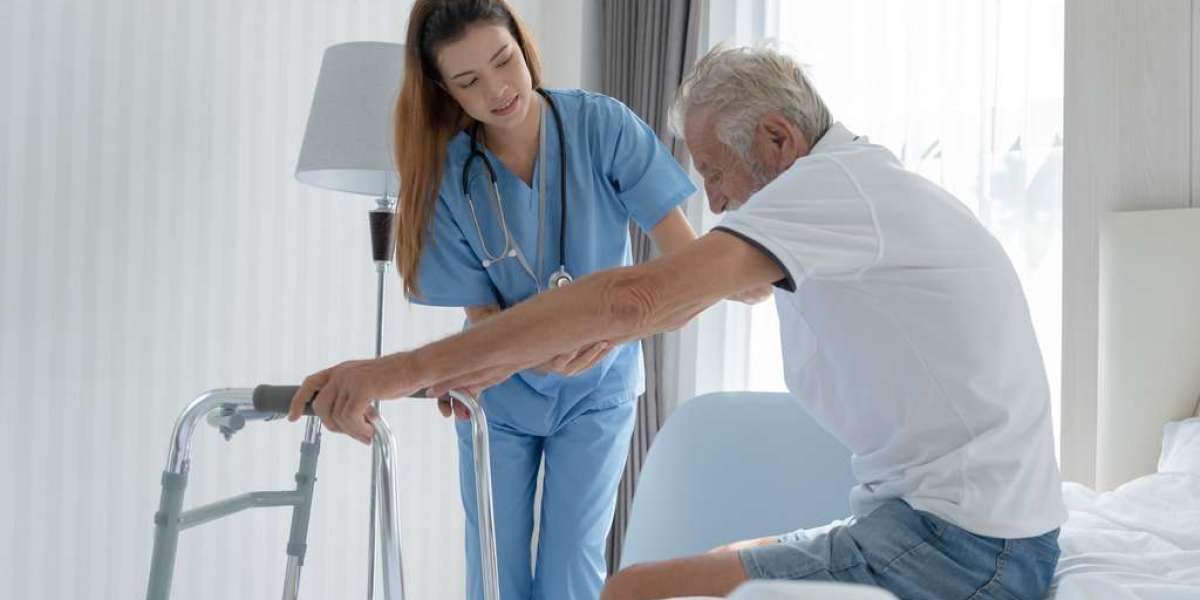
Physical Therapy (PT): Focuses on restoring mobility, strength, balance, and coordination. PTs help patients relearn how to walk, navigate stairs, and safely transfer from a bed to a chair after orthopedic surgeries or neurological events.
Occupational Therapy (OT): Centers on relearning the Activities of Daily Living (ADLs). OTs work with patients on fine motor skills required for dressing, bathing, eating, and safely navigating a home environment.
Speech-Language Pathology (ST): Vital for stroke recovery or neurological decline, speech therapists assist with communication challenges, cognitive retraining, and critical swallowing disorders (dysphagia).
Advanced Clinical and Sub-Acute Care
Beyond physical rehabilitation, SNFs are equipped to handle complex clinical needs that cannot be managed at home.
Wound Care Management: Specialized nurses treat surgical incisions, diabetic ulcers, and pressure sores using advanced therapies to prevent severe infections.
Intravenous (IV) Therapy: The administration of continuous IV antibiotics, pain management medications, or specialized hydration and nutrition.
Chronic Disease Management: Expert monitoring and lifestyle regulation for patients suffering from COPD, congestive heart failure, severe diabetes, and renal disease.
Key Factors to Consider When Evaluating Facilities
Once you have narrowed down your list of potential facilities, visiting them in person (or conducting thorough virtual tours and interviews) is crucial. You must look beyond the lobby's decor and assess the operational realities of the center.
Assessing Staff Qualifications and Patient-to-Staff Ratios
The quality of care is directly proportional to the quality and availability of the staff. When touring a facility, do not hesitate to ask direct, clinical questions about their staffing models.
Expert Tip: Always ask about the facility's RN-to-patient ratio, particularly during night shifts and weekends. High turnover rates or heavy reliance on temporary agency nurses can be red flags for inconsistent patient care.
Inquire about the medical director's involvement. Are they present at the facility regularly, or do they only review charts remotely? A highly engaged medical director and a team of dedicated Registered Nurses, Licensed Practical Nurses (LPNs), and Certified Nursing Assistants (CNAs) form the backbone of a successful recovery center.
Evaluating the Environment, Amenities, and Nutrition
Healing is holistic; it requires a safe, comfortable, and dignified environment. As you evaluate a facility, observe the cleanliness of the patient rooms, common areas, and rehabilitation gyms. The atmosphere should feel active but orderly, without lingering odors or excessive, unmanaged noise.
Nutrition plays an equally vital role in recovery, particularly for wound healing and rebuilding strength. Top-tier facilities employ registered dietitians who craft therapeutic menus tailored to specific medical needs, such as low-sodium diets for cardiac patients or mechanically altered diets for those with swallowing difficulties. Food should be nutritious, appetizing, and served in a dignified manner, encouraging patients to maintain a healthy caloric intake during their stay.
The Transition Process: Hospital to Rehab to Home
The journey through a skilled nursing facility is typically transitional. Understanding the logistics of admission and discharge will alleviate a significant amount of stress for both the patient and the family.
Navigating Admissions and Insurance/Medicare
The admission process usually begins before the patient even leaves the hospital. Hospital discharge planners or case managers will send clinical information to the SNF to ensure the facility can meet the patient's specific medical needs.
Navigating the financial aspect is often the most stressful part of this transition. Medicare Part A typically covers a portion of a short-term stay in a skilled nursing facility if specific criteria are met—most notably, a qualifying three-day inpatient hospital stay. However, coverage limits and co-pays apply depending on the length of the stay. A reputable SNF will have a dedicated admissions and financial counseling team to help you verify insurance benefits, explain out-of-pocket costs, and navigate Medicare or Medicaid requirements with total transparency.
Discharge Planning and Long-Term Success
From the day of admission, the ultimate goal is safe discharge. A high-quality facility begins discharge planning immediately, setting clear, measurable goals for the patient.
Home Evaluations: Therapists may conduct physical or virtual home evaluations to recommend necessary modifications, such as grab bars, ramps, or the removal of tripping hazards.
Family Training: Caregivers must be educated on how to assist their loved one safely, manage medications, and recognize signs of clinical decline.
Outpatient Coordination: The social services team will arrange for continued home health care, outpatient therapy, and follow-up appointments with primary care physicians to ensure a seamless continuum of care.
Conclusion
Choosing the right post-acute care environment is a critical decision that profoundly impacts the recovery trajectory and overall well-being of your loved one. By understanding the rigorous clinical capabilities of a skilled nursing facility, evaluating staff expertise, and recognizing the importance of customized rehabilitation and discharge planning, you can navigate this complex process with confidence and clarity.