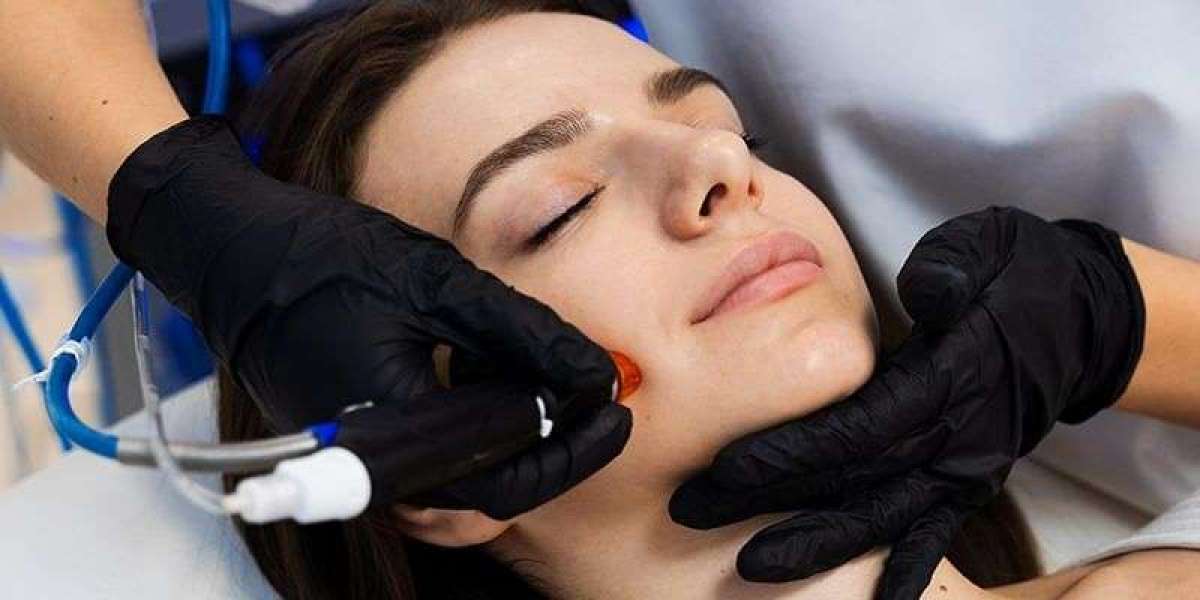

When it comes to modern skincare treatments, Hydrafacial has become one of the most talked-about options for achieving healthier, brighter, and more refreshed skin. However, with its growing popularity, many misconceptions have also emerged, making it difficult for first-time patients to separate facts from fiction. If you are considering Hydrafacial in islamabad, understanding what this treatment actually offers can help you make a confident and informed decision. Having seen how patients often arrive with unrealistic expectations or unnecessary concerns, it is clear that accurate information is the key to achieving satisfying results.
Understanding How Hydrafacial Really Works
A Hydrafacial is a non-invasive skin rejuvenation treatment that combines cleansing, exfoliation, gentle extraction, hydration, and antioxidant infusion in a single session. Unlike traditional facials that rely heavily on manual extraction or abrasive techniques, this treatment uses advanced vortex technology to deeply cleanse pores while delivering nourishing serums into the skin.
The procedure is commonly recommended for individuals experiencing dull skin, dehydration, enlarged pores, uneven texture, mild pigmentation, oily skin, or early signs of aging. Because it is customizable, skincare professionals can tailor the treatment according to different skin types and concerns.
Why So Many Myths Exist About Hydrafacial
The increasing popularity of aesthetic treatments has also led to misleading information online. Social media videos, promotional advertisements, and word-of-mouth experiences often simplify the procedure or exaggerate its outcomes.
Many people either expect dramatic overnight transformations or avoid the treatment due to unnecessary fears. Understanding the reality behind these claims allows patients to set realistic expectations and appreciate the true benefits of professional skincare.
Myth: Hydrafacial Is Only for Women
One of the most common misconceptions is that Hydrafacial is designed exclusively for women.
In reality, skincare has no gender. Men frequently experience clogged pores, excessive oil production, razor irritation, sun exposure, and environmental damage. Hydrafacial helps address these concerns by deeply cleansing the skin and improving overall texture without requiring downtime.
Many men choose regular facial treatments to maintain healthier skin, especially before important professional or social events.
Fact: Hydrafacial Is Suitable for Most Skin Types
One of the biggest advantages of Hydrafacial is its versatility.
Whether someone has oily skin, dry skin, combination skin, sensitive skin, or mature skin, the treatment can usually be adjusted according to individual needs. Professional consultation remains essential because active infections, certain inflammatory skin conditions, or severe flare-ups may require postponing treatment until the skin has healed.
This personalized approach makes Hydrafacial one of the more universally suitable facial procedures available today.
Myth: Hydrafacial Is Painful
Many first-time patients worry that pore extraction or exfoliation will be uncomfortable.
The reality is quite different.
Most people describe the experience as relaxing and refreshing. The cleansing device glides smoothly across the skin while gently removing impurities. Instead of discomfort, many patients compare the sensation to a cool massage or light vacuum moving across the face.
There are no needles, harsh scraping techniques, or significant recovery periods involved in standard Hydrafacial treatments.
Fact: Results Can Often Be Seen Immediately
Patients frequently notice smoother skin, improved hydration, and a healthy glow immediately after treatment.
However, it is important to understand that while visible improvements often appear quickly, long-term skin health requires consistency. Concerns like pigmentation, fine lines, acne-prone skin, or uneven texture usually improve gradually through a personalized skincare routine combined with periodic professional treatments.
Hydrafacial should be viewed as part of an ongoing skin maintenance strategy rather than a one-time miracle solution.
Myth: Hydrafacial Permanently Solves Every Skin Problem
This misconception creates unrealistic expectations.
Although Hydrafacial effectively improves hydration, skin texture, clogged pores, and overall radiance, it cannot permanently eliminate deep wrinkles, severe acne scars, melasma, or significant skin laxity on its own.
Comprehensive skin rejuvenation sometimes requires combining multiple evidence-based treatments under professional guidance depending on individual skin concerns.
Fact: Proper Aftercare Influences Results
One lesson many experienced skincare professionals observe is that post-treatment habits significantly affect outcomes.
Patients who protect their skin from excessive sunlight, apply broad-spectrum sunscreen, maintain hydration, avoid harsh exfoliants for several days, and follow a suitable home skincare routine generally maintain their results longer.
Healthy daily skincare habits remain just as important as the professional treatment itself.
Myth: Hydrafacial Causes Skin Thinning
This is another widespread misunderstanding.
Hydrafacial performs controlled exfoliation by removing dead surface skin cells rather than damaging healthy skin layers. When performed appropriately by qualified professionals, it supports natural skin renewal without making the skin thinner.
In fact, improved hydration and enhanced skin barrier function often leave the skin looking healthier and more resilient.
Fact: Prevention Is Just as Important as Correction
Many people believe aesthetic treatments should only begin once visible aging appears.
In practice, preventative skincare has become increasingly popular. Maintaining proper hydration, improving skin texture, minimizing clogged pores, and protecting skin health early can often delay visible signs of environmental damage and premature aging.
This preventive approach supports healthier skin over time rather than simply correcting existing concerns.
Choosing the Right Provider Matters
Technology alone does not guarantee excellent results.
Professional skin assessment, appropriate treatment customization, hygienic standards, patient education, and realistic expectations all contribute to a successful Hydrafacial experience. Individuals considering aesthetic procedures should prioritize qualified practitioners who carefully evaluate their skin before recommending treatment rather than promising unrealistic outcomes.
Reliable providers also explain expected benefits, limitations, possible temporary redness, aftercare instructions, and recommended treatment intervals to ensure patients understand the complete process.
Healthy, radiant skin is rarely achieved through shortcuts or exaggerated promises. Understanding the truth behind common misconceptions helps patients make better skincare decisions based on science rather than marketing claims. Whether your goal is improved hydration, smoother texture, clearer pores, or a refreshed appearance, Hydrafacial in islamabad can become a valuable part of a comprehensive skincare routine when performed by experienced professionals using personalized treatment plans.
Frequently Asked Questions
Is Hydrafacial safe for sensitive skin?
Yes. Hydrafacial is generally considered suitable for sensitive skin because the treatment can be customized according to individual skin needs. A professional consultation is still recommended beforehand.
How long does a Hydrafacial session usually take?
Most sessions are completed within 30 to 60 minutes, depending on the patient's skin condition and the customized treatment plan.
Can Hydrafacial help with acne-prone skin?
Yes. It can improve congested pores, excess oil, and mild acne-related concerns by deeply cleansing the skin and removing impurities.
Is there any downtime after Hydrafacial?
Most people return to normal daily activities immediately after treatment. Mild redness, if present, usually resolves within a few hours.
How often should someone get a Hydrafacial?
Many skincare professionals recommend treatments every four to six weeks, although the ideal schedule depends on individual skin goals and condition.
Can I wear makeup after a Hydrafacial?
It is generally advisable to allow the skin to breathe for the remainder of the day before applying makeup to maximize the treatment's benefits.