
Many people who suffer from allergies also experience constant nasal congestion, sneezing, and difficulty breathing. Because allergy symptoms often affect the nose, patients sometimes wonder whether septoplasty can provide relief. While Septoplasty in Islamabad can significantly improve nasal airflow by correcting a deviated septum, it is important to understand that it does not cure allergies themselves.
Instead, septoplasty may help people with allergies breathe more comfortably if a deviated septum is making their symptoms worse. By improving the structure of the nasal passages, the procedure allows better airflow and can enhance the effectiveness of other allergy treatments.
This article explains the relationship between allergies and septoplasty, who may benefit from the procedure, and what results patients can realistically expect.
Understanding Nasal Allergies
Allergies occur when the immune system reacts to substances that are normally harmless, such as pollen, dust mites, mold, or pet dander. These substances, known as allergens, trigger inflammation inside the nose.
Common symptoms of nasal allergies include:
- Frequent sneezing
- Runny nose
- Nasal congestion
- Itchy nose
- Watery eyes
- Postnasal drip
- Reduced sense of smell
For many people, these symptoms are temporary and improve with medication. However, when allergies occur alongside structural nasal problems, breathing can become even more difficult.
What Is a Deviated Septum?
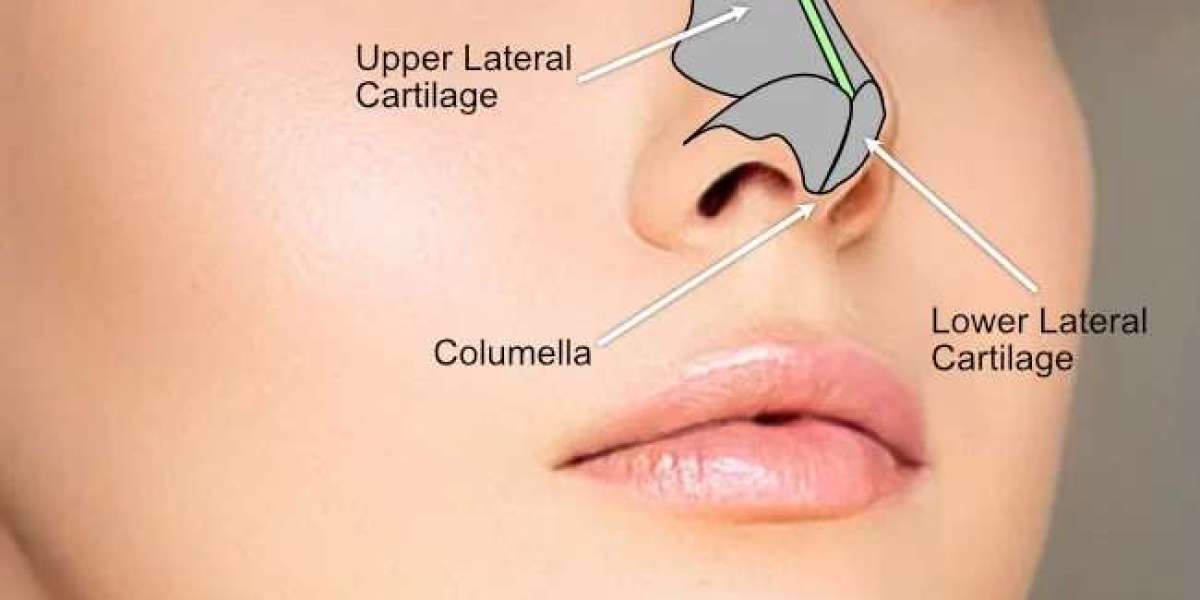
The nasal septum is the wall of cartilage and bone that separates the left and right nasal passages.
Ideally, the septum is positioned near the center of the nose. However, some people have a septum that is bent or displaced, a condition known as a deviated septum.
A deviated septum may cause:
- Difficulty breathing through one nostril
- Chronic nasal blockage
- Frequent sinus infections
- Snoring
- Mouth breathing
- Poor sleep quality
When allergies cause swelling inside an already narrow nasal passage, symptoms may become much more noticeable.
Can Allergies Cause a Deviated Septum?
No. Allergies do not change the position of the septum.
A deviated septum is usually caused by:
- Natural development
- Birth-related differences
- Nasal injuries
- Sports accidents
- Trauma to the nose
However, allergy-related swelling can make the blockage caused by a deviated septum feel worse.
How Septoplasty Helps Allergy Patients
Septoplasty is designed to correct the internal structure of the nose by straightening the septum.
Although it does not treat the immune response responsible for allergies, it may improve breathing in patients who have both allergies and a deviated septum.
Possible benefits include:
Improved Airflow
Correcting the septum creates more space inside the nose, allowing air to move more freely.
Reduced Feeling of Blockage
During allergy flare-ups, patients may notice less severe congestion because the nasal passages are no longer narrowed by a crooked septum.
Better Effectiveness of Allergy Treatments
Nasal sprays and saline rinses may reach the nasal passages more effectively after the septum has been corrected.
Improved Sleep
Better airflow can reduce nighttime breathing difficulties that become worse during allergy seasons.
What Septoplasty Cannot Do
It is important to have realistic expectations.
Septoplasty does not:
- Cure seasonal allergies
- Prevent allergic reactions
- Eliminate sneezing
- Stop itchy eyes
- Remove sensitivity to allergens
Patients with allergies may still require ongoing medical treatment even after surgery.
Who May Benefit Most?
Septoplasty may be beneficial for patients who:
- Have a confirmed deviated septum
- Experience chronic nasal obstruction
- Have allergies that worsen breathing problems
- Continue to struggle despite medication
- Frequently breathe through the mouth because of nasal blockage
A thorough examination by an ENT specialist can determine whether a structural problem is contributing to allergy-related discomfort.
Combining Septoplasty with Allergy Management
For many patients, the best results come from combining surgery with appropriate allergy care.
Treatment plans may include:
- Allergy medications
- Nasal steroid sprays
- Saline nasal irrigation
- Avoiding allergy triggers
- Lifestyle modifications
- Regular medical follow-up
Septoplasty improves nasal structure, while allergy treatments manage inflammation and immune responses.
Recovery After Septoplasty
Recovery after Septoplasty in Islamabad is usually gradual.
During the first few days, patients may experience:
- Mild swelling
- Temporary congestion
- Slight bleeding
- Minor discomfort
These symptoms improve as healing progresses.
Most patients return to light daily activities within one week, while complete internal healing may take several months.
The following post-operative instructions are important for achieving the best outcome.
Factors That Influence Results
The level of improvement depends on several factors, including:
- Severity of the septal deviation
- Degree of allergy-related inflammation
- Overall nasal health
- Consistency with allergy treatment
- Following recovery guidelines
Patients with severe allergies should continue working with their healthcare provider to manage symptoms even after surgery.
When Should You Consider Septoplasty?
You may wish to discuss septoplasty with an ENT specialist if you have:
- Persistent nasal blockage
- Difficulty breathing through your nose year-round
- Allergy symptoms that become much worse because of structural blockage
- Frequent sinus infections
- Poor sleep due to nasal obstruction
A proper diagnosis will determine whether surgery is appropriate.
Choosing the Right Clinic
Successful treatment depends on accurate diagnosis and experienced surgical care.
When selecting a clinic, consider:
- Qualified ENT specialists
- Modern diagnostic facilities
- Personalized treatment plans
- Advanced surgical techniques
- Comprehensive follow-up care
A professional medical team can determine whether your symptoms are caused by allergies, a deviated septum, or a combination of both.
Final Thoughts
Septoplasty in Islamabad is not a cure for allergies, but it can significantly improve breathing for patients whose allergy symptoms are made worse by a deviated septum. By correcting the structural blockage inside the nose, the procedure allows better airflow and may make allergy treatments more effective.
If you have ongoing nasal congestion despite medication, a detailed evaluation can help determine whether a deviated septum is contributing to your symptoms. With the right combination of surgery experience and allergy management, many patients improved breathing and a better quality of life.
If you are considering Septoplasty in Islamabad , Enfield Royal Clinics offers expert ENT consultations, advanced surgical techniques, and personalized treatment plans to help patients achieve long-term relief from nasal obstruction and breathe more comfortably throughout the year.
For more information visit Enfield royal clinic in islamabad