
Navigating the Path to Recovery: A Comprehensive Guide to Skilled Nursing Facilities
When a loved one experiences a sudden medical crisis—such as a severe stroke, a complex orthopedic surgery, or an acute exacerbation of a chronic illness—the journey to recovery does not end upon discharge from the hospital. In many cases, patients are medically stabilized but remain far too fragile to return to the independent demands of their own homes. This critical juncture is where specialized transitional care becomes essential. By providing an optimal blend of 24-hour clinical oversight, intensive rehabilitation, and compassionate daily assistance, skilled nursing facilities serve as the vital bridge between a hospital stay and a safe, successful return to everyday life.
As healthcare experts and leading providers like Arbor Grace Guest Care Center demonstrate, modern skilled nursing care is a far cry from the institutional nursing homes of the past. Today’s premier centers are dynamic, uplifting medical environments designed to promote rapid healing. By combining physician oversight, specialized nursing care, and cutting-edge therapy in a comfortable, private setting, these facilities empower patients to regain their strength, restore their functional independence, and reclaim their quality of life with absolute dignity.
1. Understanding the Role of Skilled Nursing Care
A common source of confusion for families navigating the healthcare system is understanding exactly what skilled nursing entails and how it differs from traditional senior living arrangements. At its core, skilled care represents a high-acuity medical environment governed by strict federal and state clinical standards.
Bridging the Gap Between Hospital and Home
The primary objective of a skilled nursing center is to provide transitional, short-term medical care. When a patient leaves an acute-care hospital, they frequently require ongoing medical interventions—such as wound care, vital sign monitoring, or intensive physical therapy—that cannot be safely or realistically managed by family members at home. A skilled nursing environment offers a safe, structured setting where healing can continue uninterrupted. The overarching goal is not permanent residency, but rather a focused, goal-oriented recovery that allows the patient to return to their prior level of functioning as quickly and safely as possible.
24/7 Clinical Supervision and Medical Management
The defining characteristic of this level of care is the continuous presence of licensed healthcare professionals. Registered Nurses (RNs) and Licensed Vocational Nurses (LVNs) are on-site around the clock to administer complex treatments, monitor for adverse reactions to new medications, and respond instantly to medical emergencies. This nursing team operates under the direct oversight of an attending physician or Medical Director, who conducts regular rounds and adjusts care protocols in real-time. Additionally, the integration of telemedicine allows for immediate consultations with medical specialists, ensuring that acute changes in a patient's condition are addressed without the need for a stressful readmission to the hospital.
2. Specialized Medical Treatments and Rehabilitation
Patients admitted for skilled nursing care often present with complex, overlapping medical conditions that demand precise, clinical-grade interventions. Top-tier facilities are equipped with the technology and expertise required to handle high-acuity cases with confidence.
Post-Surgical and Acute Medical Care
Modern care centers specialize in a wide spectrum of acute medical services that mirror hospital-level capabilities. Key areas of expertise include:
Complex Wound Management: Utilizing advanced therapies for persistent or non-healing surgical incisions, diabetic ulcers, and pressure wounds to prevent severe systemic infections.
Infusion Therapy: Administering time-sensitive intravenous (IV) antibiotics, hydration, and specialized pain management protocols.
Cardiopulmonary Care: Providing specialized respiratory care for conditions like COPD, including the management of high-flow oxygen therapies, alongside rigorous cardiac oversight following a heart attack or open-heart surgery.
Diabetic Rehabilitation: Monitoring blood glucose levels meticulously while educating patients on diet and insulin management.
Comprehensive Rehabilitation Therapies
Medical stabilization is only the first half of the recovery equation; the second half is physical restoration. Upon admission, patients are evaluated by a multidisciplinary team of licensed therapists who construct an aggressive, customized rehabilitation schedule.
Physical Therapy (PT): Focuses on restoring lower-body strength, improving balance, and retraining gait to ensure patients can walk safely and prevent future falls.
Occupational Therapy (OT): Centers on fine motor skills and cognitive processing, retraining patients to navigate the essential tasks of daily life—such as cooking, dressing, and bathing.
Speech-Language Pathology (SLP): Vital for stroke recovery, speech therapists work to repair communication pathways and retrain the muscular reflexes required for safe swallowing, preventing the risk of aspiration pneumonia.
3. Enhancing Quality of Life with Daily Support
While rigorous medical and therapeutic interventions drive the physical recovery process, a patient's emotional well-being is equally critical. True healing requires an environment that honors the individual, prioritizing their comfort, dignity, and nutritional health.
Assistance with Activities of Daily Living (ADLs)
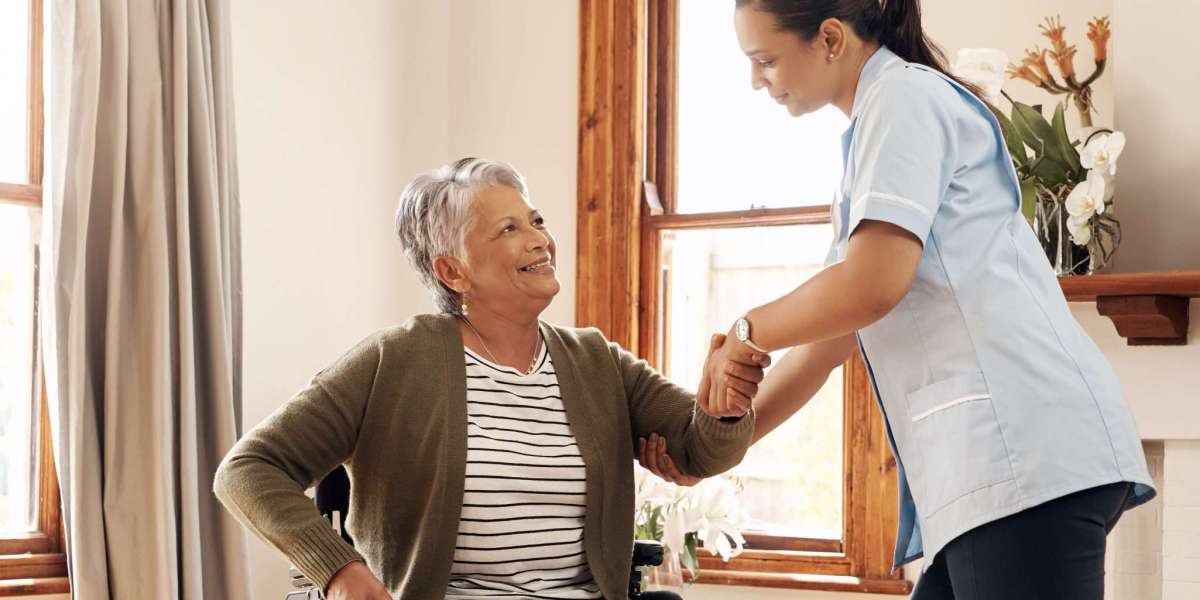
A serious illness or major surgery can instantly strip an individual of their independence, making basic personal tasks feel insurmountable. Dedicated Certified Nursing Assistants (CNAs) provide compassionate, respectful assistance with Activities of Daily Living (ADLs). This includes discreet help with bathing, dressing, personal grooming, and mobility transfers. By utilizing advanced mechanical lifts and ergonomic techniques, the staff ensures that patients are moved safely and comfortably, preserving their modesty and self-esteem throughout the vulnerable stages of their recovery.
Nutrition, Dining, and Wellness
Proper nutrition is the fuel that drives cellular repair and immune system strength. In a professional skilled nursing setting, registered dietitians perform comprehensive metabolic evaluations to design highly customized meal plans. Whether a patient requires a strict low-sodium diet for cardiac recovery, precise carbohydrate tracking for diabetes, or mechanically altered pureed foods for swallowing difficulties, the culinary team accommodates every need. Furthermore, moving away from sterile hospital trays, many facilities now offer restaurant-style dining experiences, serving hot, flavorful meals that encourage social interaction and provide a comforting sense of normalcy.
4. The Transition Process: What to Expect
The thought of moving from a hospital to an unfamiliar healthcare facility can be a source of profound anxiety for both the patient and their family. Understanding the structured admission and recovery process can alleviate these fears and set clear expectations.
Personalized Care Plans and Goal Setting
The journey begins on day one with a comprehensive intake assessment. You will be greeted by an interdisciplinary team—comprising the attending physician, director of nursing, lead therapists, and a social worker—to discuss your specific medical needs and personal recovery goals. Based on this collaborative evaluation, a highly customized, written care plan is developed. This living document acts as the roadmap for your recovery, outlining the frequency of your therapy sessions, your dietary restrictions, and your daily medication schedule.
The Rehab-to-Home Pathway
The ultimate objective of short-term skilled care is perfectly encapsulated by the "Rehab-to-Home" philosophy. Every medical intervention, therapy session, and educational workshop is geared toward increasing the patient's independence. As recovery progresses, the care team actively coordinates the discharge process. This includes conducting home safety evaluations, arranging for necessary durable medical equipment (like walkers or shower chairs), and setting up subsequent home health nursing or outpatient therapy, ensuring that when the patient finally returns home, they are supported by a robust, continuous safety net.
5. Choosing the Right Facility for Your Loved One
Selecting the appropriate care center is one of the most consequential health decisions a family will make. With numerous options available, it is vital to evaluate facilities based on their clinical capabilities, environmental quality, and patient-centered philosophy.
Care Setting | Primary Focus | Medical Oversight | Best Suited For |
Assisted Living | Residential comfort and minor ADL support | Periodic nursing reviews | Individuals who are largely independent but need minor daily help |
Long-Term Nursing Home | Permanent residency and custodial care | 24/7 nursing and personal care | Individuals with chronic, progressive conditions requiring permanent support |
Skilled Nursing Facility | Transitional, high-acuity medical rehab | 24/7 RN/LVN care, intensive daily therapy, physician oversight | Patients recovering from hospitalizations, strokes, or major surgeries |
Evaluating Medical Capabilities and Amenities
When touring a prospective facility, families should ask targeted questions regarding the center’s specific clinical expertise. Do they have a dedicated wound care nurse? Is a physician available on-site or via telemedicine 24/7? Furthermore, the physical environment plays a massive role in mental health. Look for centers that offer newly remodeled, private rooms, as a private, quiet sanctuary is arguably the best setting to initiate a stressful recovery process. A clean, odor-free building with ample natural light and modern therapy gyms strongly indicates a facility committed to high standards.
The Importance of a Healing Environment
Beyond the clinical metrics, the intangible atmosphere of a facility matters immensely. A premier center considers itself an uplifting medical environment. Observe the interactions between the staff and the current patients—are they warm, patient, and respectful? Does the facility offer laundry and housekeeping services to remove the burden of chores from the family? An environment that seamlessly blends advanced medical care with genuine human compassion will significantly accelerate the psychological and physical healing process.
Conclusion: Partner with Experts Dedicated to Your Recovery
Facing a challenging medical diagnosis or recovering from a severe hospitalization is undoubtedly overwhelming, but you do not have to navigate this complex journey alone. Choosing a professional, highly accredited environment allows you to step away from the exhausting demands of primary caregiving and place your loved one in the hands of clinical experts. Skilled nursing facilities provide the critical medical oversight, aggressive rehabilitation, and compassionate daily support required to turn a daunting medical setback into a successful, empowering return home.