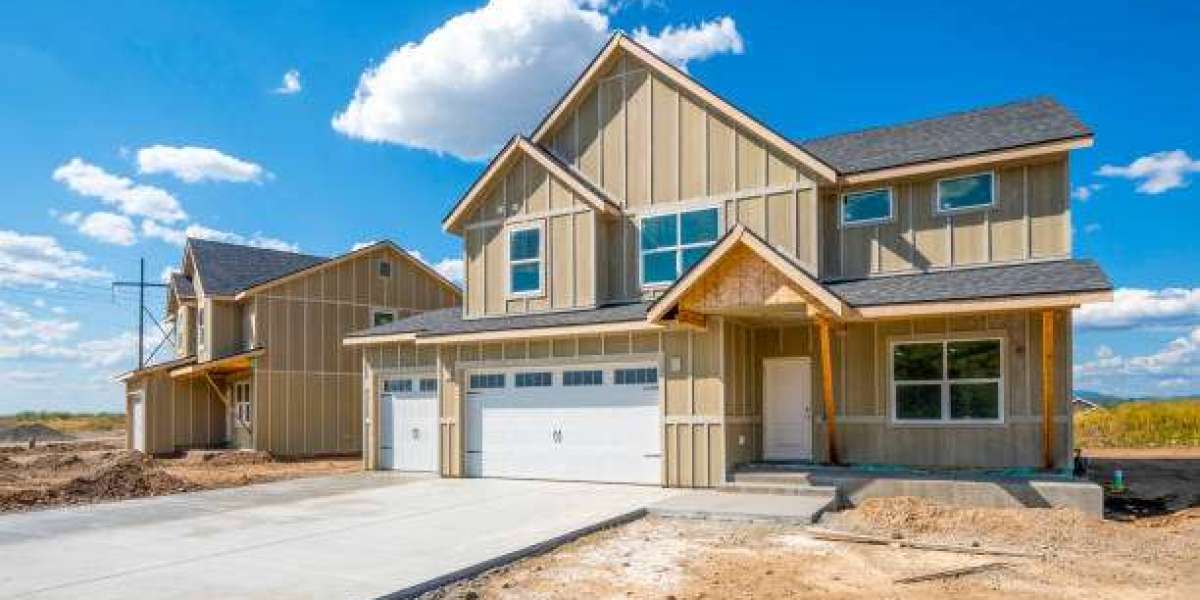

Building a home from the ground up sounds exciting. And it is, honestly. But most first-timers walk into the process of thinking it'll feel like a straight line from signing a contract to getting keys, and then reality hits somewhere around week six when they're staring at a tile selection binder with 400 options and a two-day deadline. If you're exploring New Home Construction in Columbus OH , this guide is meant to give you a real picture of what each phase looks like before you commit to anything. No fluff. Just what actually happens, what you'll be asked to decide, and where people usually run into trouble.
The Early Phases: Lot, Plans, and Paperwork
Everything starts before a single shovel touches dirt. You'll need to pick a lot, settle on a floor plan, and get through a permitting process that most people underestimate. Lot selection sounds simple. It's not. Slope, soil type, utility access, and setback requirements all affect what you can build and how much it'll cost. Some lots look great on a map and then turn out to need $30,000 in grading work before anything else can happen.
Floor plan decisions come next. This is where first-timers often feel the most pressure because changes get expensive fast once construction starts. Pick your layout, square footage, and room configuration early. Ask specifically which changes are free before a certain date and which trigger a change order fee. Get that in writing. Builders aren't trying to trap you, but the process has real cost triggers and you need to know where they are.
Permits take time. Depending on your municipality, the approval process can run anywhere from a few weeks to a couple of months. According to general contractor practices outlined on Wikipedia , coordinating permits, subcontractors, and inspections is a core part of what builders manage on your behalf. Don't expect to break ground the week after signing. Build that buffer into your mental timeline now.
Making Your Selections: Finishes, Materials, and Upgrades
At some point, usually earlier than feels comfortable, you'll sit down in a design center or go through a selections meeting with your builder. Cabinet finishes. Countertops. Flooring. Fixtures. Exterior siding color. Door hardware. It goes on for a while. Most people walk out of their first elections meeting feeling a little overwhelmed.
Here's what actually matters. Delaying your selections causes real construction delays, not theoretical ones. If your cabinet order can't go in because you haven't chosen the door style, framing sits idle and the subcontractor schedule gets pushed. That ripple effect costs time and sometimes money. Go into those meetings prepared with photos of styles you like. Make decisions. You can refine your taste after you move in.
Upgrades are where budgets get blown. Builders price base models attractively and then offer a long menu of add-ons. Some upgrades are worth every dollar, like a larger electrical panel or rough-in plumbing for a future bathroom. Others are purely cosmetic and can be done cheaper after closing. Ask your builder which upgrades are structural or mechanical and which are just aesthetic. That question alone can save you real money.
Active Construction: What You'll See and When
Once the foundation goes in, things move fast and then suddenly slow down. Foundation and framing go up quickly. Then come rough-in phases for plumbing, electrical, and HVAC, and those take longer because inspections happen between each stage. Inspectors have to sign off before the walls close up. That's not a problem, it's the process working correctly.
Site visits are fine to do. Most builders welcome them, with a heads-up call first. Don't show up unannounced expecting a hard-hat tour every week. But do go. Take photos. Note anything that looks off and bring it up in your next builder communication, not in an angry text at 9 p.m. Keep a running list of questions and batch them. You'll get better answers that way and you won't feel like you're being ignored.
If you're working with New Home Construction Services in Columbus OH through a local builder, ask upfront how often you'll get formal progress updates. Some builders do weekly emails. Others do milestone calls. Know what to expect so you're not sitting in silence wondering if anything is happening at all.
Common Surprises (and How to Handle Them)
Weather delays happen. Full stop. Ohio winters, wet springs, and unexpected storms push schedules back, and there's nothing you or your builder can do about it. Build two to four extra weeks into your mental move-in date from the start. Seriously. People who do this stay sane. People who don't end up furious at circumstances nobody controls.
Change orders are the other big one. You'll want to change something mid-build. Almost everyone does. Maybe you see the framed space and realize the bedroom feels small, or you decide you want a different window placement. Change orders cost money, sometimes a lot, and they take time to process. Think hard before requesting them. Not every impulse is worth a $2,000 upcharge and a three-week delay.
Inspection holds are also more common than people expect. If an inspector flags something, work stops in that area until it's corrected and re-inspected. That's not your builder failing you. That's the system protecting you. Civitello Construction Services is one example of a local builder that emphasizes working closely with inspectors throughout the process rather than treating inspections as a formality. The builders who do it right treat inspections as checkpoints, not obstacles.
New Home Construction Services in Columbus OH also means dealing with local subcontractor availability. Busy seasons, like spring and early summer, can stretch timelines because electricians and plumbers are booked out. Your builder manages this, but it's worth asking during your initial conversations how they handle subcontractor scheduling during peak periods.
The Final Walkthrough and Punch List
You're almost there. Don't rush this part. The final walkthrough is your chance to go through the finished home with your builder and document anything that needs to be fixed before you sign off. Bring a phone or camera. Bring a patient eye. Look at every door, every window, every outlet cover, every piece of trim. Check that drawers open smoothly. Run the faucets. Flush toilets. Test light switches.
The punch list is the written record of everything that needs correction. Get it in writing. Make sure the builder signs it. Understand the timeline for completing each item, and confirm what happens if something isn't fixed by closing. Some buyers close with a holdback agreement that ties a portion of final payment to punch list completion. That's worth asking about.
New Home Construction in Columbus OH follows the same general process as anywhere else in the country, but local factors like soil conditions, HOA rules, and county inspection timelines do affect how things play out. Know your local context. Ask your builder specifically about common delays or quirks in your area. The ones who give you straight answers are the ones worth trusting.
Frequently Asked Questions
How long does it typically take to build a new home?
Most new home builds run six to twelve months from permit approval to final walkthrough. Custom homes with complex designs can go longer. Weather, inspections, and material availability all affect the timeline, so don't plan a move-in date too tightly until you're well into the build.
Can I make changes to the floor plan after construction starts?
Sometimes, but it depends on how far along the build is and what you want to change. Structural changes after framing is complete are expensive and often not possible without significant cost. Lock in your floor plan decisions as early as you can. That's the single best way to avoid change order headaches.
How often should I expect updates from my builder?
That varies by builder. Some send weekly progress reports. Others reach out at major milestones like foundation pour, framing completion, and drywall. Ask your builder directly during the contract stage what their communication process looks like, and get it in writing if it matters to you.
What's the difference between a pre-drywall inspection and a final inspection?
A pre-drywall inspection happens after rough-in work is done but before the walls close up. It lets you see the framing, plumbing, and electrical before they're hidden. A final inspection covers the finished home. Both are worth attending if your builder allows it, because catching problems early is always cheaper than finding them after the fact.
Do I need my own home inspector for a new build?
Yes. Hiring your own inspector, separate from the builder's inspections, is a smart move. Municipal inspectors check for code compliance. Your inspector is looking out specifically for you, checking workmanship, materials, and anything that might cause problems down the road. It's a few hundred dollars that can save you a lot of grief later.
The whole process is a lot to absorb, but it gets less intimidating once you know what's coming. Go in with realistic timelines, make your decisions early, ask questions without apology, and take that final walkthrough seriously. The house you've been picturing is on the other side of all of it.