
A lot of homeowners pick out a garage door they like, call someone to install it, and then get hit with problems they never saw coming. Wrong size. Incompatible opener. HOA rejection. Surprise fees at the end of the bill. It happens more than you'd think, and it's almost always avoidable. Before you buy anything or sign anything, there are five things worth checking first. If you're looking into Garage Door Installation in Pottstown PA, getting these right upfront will save you real money and a lot of frustration down the road.
1. Measure the Opening Carefully (And Then Measure Again)
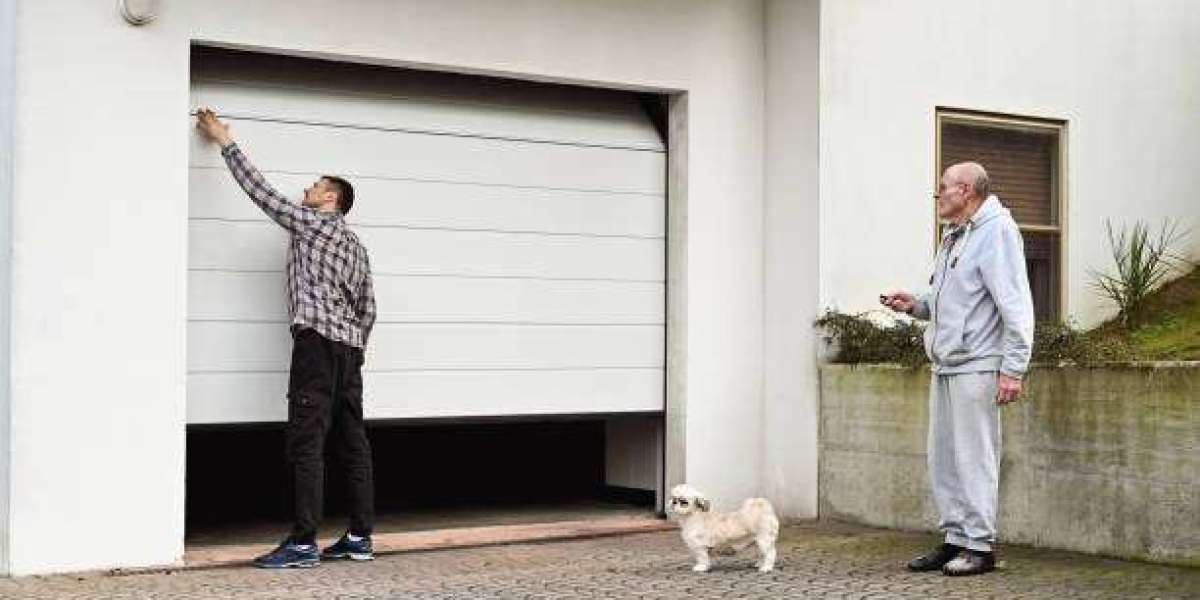
Incorrect dimensions are, honestly, the single most common reason installations go sideways. Most people just measure the width and height of the door opening itself and call it done. But that's only part of the picture. You also need to check headroom clearance (the space between the top of the opening and the ceiling), sideroom on both sides of the opening, and backroom depth, which is how far back into the garage the door track needs to run when the door is fully open.
Standard headroom is usually around 10 to 12 inches, but low-headroom hardware exists if your ceiling is tight. Sideroom is typically 3 to 4 inches on each side. Not enough backroom? The door won't open fully, and that's a problem you don't want to discover after the crew shows up. Measure everything. Write it down. Then measure again before ordering.
2. Check Whether Your Opener Can Handle the New Door
This one catches people off guard. Your existing garage door opener was matched to your old door's weight and size. A new door, especially a heavier insulated steel or wood door, might be too much for it to handle reliably. Running an undersized opener on an oversized door wears out the motor fast and can create safety issues too.
Check the horsepower rating on your current opener. Single-car doors usually need at least 1/2 HP, while heavier two-car doors often need 3/4 HP or more. If your opener is already 10 or 15 years old, it might be worth replacing it at the same time rather than stressing an aging unit with a brand-new door. Ask the installer to weigh in on this before any work begins. A good installer will tell you straight.
For background on how different opener types work and what the ratings mean, the Wikipedia page on garage door openers gives a solid rundown of the main drive systems and their typical applications.
3. Think About Insulation Before You Commit to a Door
Not every garage needs a heavily insulated door. But some really do. The answer depends on a few things about how your garage is set up and where you live.
If the garage is attached to your house, an uninsulated door lets cold or heat bleed into the living space, which pushes up your energy bills. If you use the garage as a workshop or spend real time in there, comfort matters too. And if you're in a place with serious winters or hot summers, insulation pays for itself pretty quickly. Look for the R-value rating on any door you're considering. Higher R-value means better thermal resistance. A basic single-layer steel door might have an R-value of 0 to 2. A good insulated door with a polyurethane core can hit R-16 or higher. That's a real difference you'll feel.
If the garage is detached and you just park a car in it, an insulated door is probably less of a priority. Be honest about how you actually use the space.
4. Look Up HOA Rules and Local Building Codes First
This step gets skipped constantly, and it's one of the more painful mistakes to make after the fact. If you live in a neighborhood with a homeowners association, there's a decent chance they have rules about what garage doors are allowed. Style, color, material, even the type of window inserts can all be regulated. Some HOAs are pretty relaxed about it. Others are strict.
Get a copy of the relevant rules before you buy anything. Submit for approval if that's required. It's annoying, yes, but it's a lot less annoying than buying a door and then being told you can't use it. Local building codes can also factor in, especially for fire-rated doors on garages attached to the house. Your installer should know the local requirements, but it doesn't hurt to verify yourself. A quick call to your local building department takes maybe ten minutes.
Companies that specialize in Garage Door Installation Services in Pottstown PA should be familiar with the local code requirements and can often flag HOA-style restrictions they've run into before in your area. Ollis Entry is one company in the area that handles both the product selection and the compliance side of things, which makes that part of the process a lot smoother.
5. Read the Installation Quote Line by Line
The quote you get isn't always the number you'll end up paying. That's not always bad faith on the installer's part, but it does happen, and knowing what to look for protects you.
Ask specifically whether the quote includes removal and disposal of your old door. Some do, some don't. Check whether springs are included. Torsion springs are a wear item and often need replacement when a new door goes in, but some quotes leave them out. Hardware, tracks, and brackets should be spelled out. And ask about the warranty, both on the door itself and on the labor. A door manufacturer might offer a 10-year warranty on panels but only 1 year on springs. Labor warranties vary a lot by installer.
Old door removal and haul-away (included or extra?)
Spring replacement (torsion or extension, and are they in the quote?)
New tracks and hardware (sometimes sold separately)
Opener installation if you're getting a new one
Warranty terms for both the door and the labor
Getting two or three quotes and comparing them line by line is the smartest thing you can do. Don't just look at the bottom number. Look at what's actually in each quote.
Frequently Asked Questions
How long does a typical garage door installation take?
Most installations take somewhere between three and six hours for a standard single or double door. If an opener is also being swapped out, add another hour or so. It's usually a one-day job, which is one of the nicer things about this kind of project.
Do I need a permit for a new garage door in Pottstown PA?
It depends on the scope of the work. A straight replacement of a like-for-like door often doesn't require a permit. But structural changes or adding a new opening might. Worth a quick call to the borough's building office to confirm before work starts.
What's the difference between torsion springs and extension springs?
Torsion springs run horizontally above the door opening and use torque to lift the door. Extension springs run along the sides of the tracks and stretch to create tension. Torsion springs are generally considered more durable and safer, and most new installations use them. But the right choice depends on your headroom and setup.
How do I know what R-value I need for my garage door?
If the garage is attached to your home, aim for at least R-12 to R-16. If it's detached and mostly used for storage, R-6 or so is usually fine. In areas with cold winters, going higher on R-value is rarely a decision people regret.
Can I use the same opener with a heavier new door?
Sometimes yes, sometimes no. It really depends on the opener's age, horsepower rating, and the weight difference between your old door and the new one. Ask your installer to check it before committing either way. If the opener is older than 10 years, replacing it at the same time is often the smarter call financially.
Taking a little extra time before the install to check these five things is the kind of prep that pays off. The Garage Door Installation Services in Pottstown PA market has plenty of options, and a well-prepared homeowner is going to get a better outcome, a better price, and a lot fewer headaches than someone who just wings it.