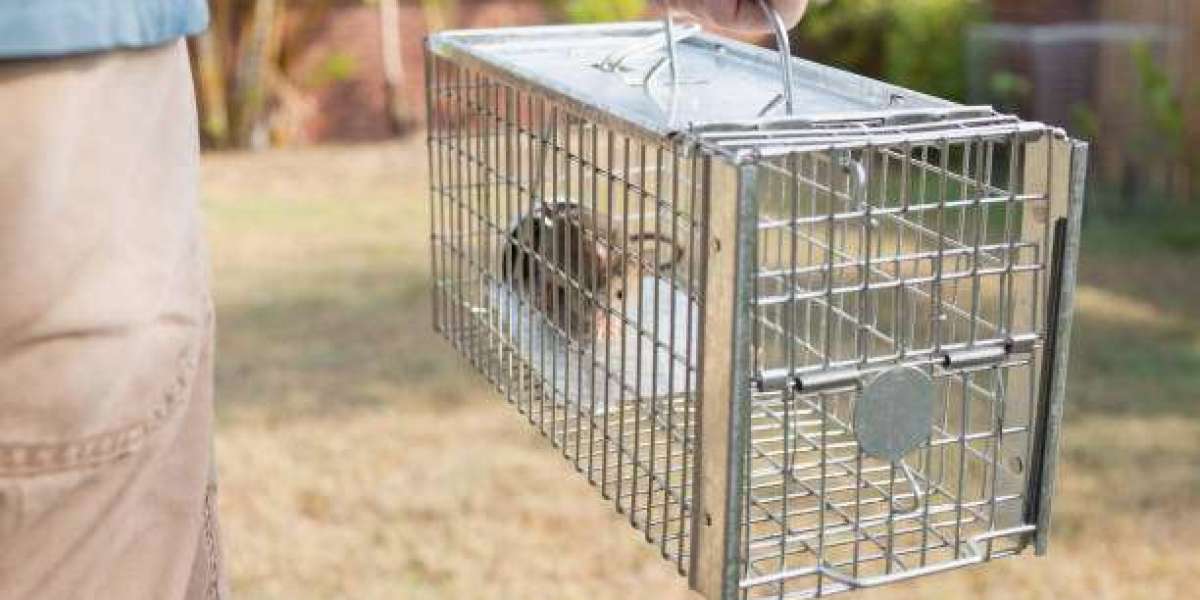

You set a few traps. You bought some peppermint spray. You even blocked off what looked like the obvious hole near the dryer. And yet, you're still hearing scratching in the walls at 2 am Sound familiar? Most homeowners dealing with a mouse problem aren't doing anything. They're doing things, just the wrong things, or not enough of the right things. The result is a colony that keeps growing quietly while you think you've got it handled. If you're in the area and want help from someone who actually knows what they're doing, Mice Control in Cambridge, ON is worth looking into before the problem gets worse. But first, let's talk about what's probably going wrong right now in your house.
Traps Alone Won't Stop a Mouse Problem
This is the most common mistake I see. People buy a six-pack of snap traps, place them around the kitchen, catch two or three mice, and assume they've solved it. They haven't. Traps kill individual mice. They don't stop new ones from walking in through the same gaps, cracks, and holes that the first batch used to get inside.
Mice can squeeze through a hole roughly the size of a dime. That's not a typo. A gap you'd barely notice around a pipe, under a door, or behind a cabinet is a wide-open doorway to them. If you're not finding and sealing those entry points while you're trapping, you're just managing a revolving door. More mice come in, you catch some, more come in again.
Glue boards have the same problem, honestly. They can catch a mouse, sure, but they're not strategic tools. A mouse that avoids the board, or one that pulls free, is now trap-shy and harder to catch later. Fix the entries first. Then trap.
Peppermint Oil and Ultrasonic Devices Don't Work
There's a whole cottage industry built around selling homeowners false hope. Peppermint oil, ultrasonic plug-ins, strobe lights, predator urine. None of these have solid evidence behind them. Mice habituate to sounds and smells fast, usually within days. A mouse that's hungry and warm isn't leaving because your plug-in is beeping at it.
The danger here isn't just wasted money. It's wasted time. Every week you spend believing a repellent is working is another week the population behind your walls is growing. A single female mouse can have five to ten litters per year, with five to eight pups per litter. Do that math. You don't have months to experiment with things that don't work.
For context on how quickly mouse populations can grow, the house mouse biology page on Wikipedia lays out the reproductive cycle clearly. It's pretty eye-opening if you've been underestimating the timeline.
Waiting Too Long After You See the Signs
Droppings in a drawer. A gnaw mark on the corner of a cereal box. A greasy smear along the baseboard where a mouse has been running the same path every night. These aren't hints. They're evidence of an active infestation, and most people ignore them for weeks or months before doing anything.
By the time you actually see a mouse during the day, the population is usually already large. Mice are nocturnal and cautious. Daytime sightings typically mean the colony has gotten big enough that competition for food and space is pushing younger mice out into the open during hours they'd normally avoid. That's not a good sign. Act early, before that point.
Grease trails along walls are one of the most overlooked signs. Mice have oily fur, and they run the same routes repeatedly, leaving a visible dark smear over time. If you're seeing those, the infestation has been going on long enough to establish regular traffic patterns.
Bad Bait Placement and Wrong Baiting Technique
Even when people use traps correctly, they often place them wrong. Traps set in the middle of a room almost never catch anything. Mice hug walls. They run along baseboards and follow the edges of furniture and cabinets. That's where the traps need to go, perpendicular to the wall with the trigger end closest to the baseboard.
Bait is another area where people go wrong. Too much bait lets a mouse feed without triggering the trap. A pea-sized amount of peanut butter, chocolate, or nesting material (yes, a small piece of cotton ball works well) is enough. Also, don't handle traps with bare hands. Mice have a strong sense of smell, and human scent on a trap makes them avoid it.
If you've been setting traps for more than a week with no results, the placement is probably the issue. Move them. Try different spots. Put them inside paper bags along the wall if mice seem skittish. And check them daily. A sprung trap with a dead mouse that sits for three days is doing nothing productive.
Leaving Food, Clutter, and Harborage in Place
You can trap mice all day, but if your home is still offering them food and shelter, you're fighting a losing battle. Mice don't need much. Crumbs under the stove. A bag of bird seed in the garage. Pet food left out overnight. Cardboard boxes stacked in the basement. All of it is either a food source or a nesting spot.
Outdoor clutter matters too. Woodpiles stacked against the house, overgrown shrubs near the foundation, and leaf piles near the door all give mice a place to hide and stage before coming inside. Pulling those away from the structure makes a real difference. Not a huge amount of work, but most people skip it entirely.
This is exactly where Professional Rat and Mice Control in Cambridge, ON makes a difference over DIY. A trained technician doesn't just set traps and leave. They look at the whole property, identify what's sustaining the colony, and address it systematically. Pestxterminators does this kind of full-property assessment as part of their service, which is why results tend to stick rather than just temporarily reducing numbers.
Mice Control in Cambridge, ON done properly means combining exclusion, trapping, sanitation, and follow-up. Doing only one of those things is why most DIY efforts stall out. And Professional Rat and Mice Control in Cambridge, ON matters especially if you've already been at this for more than a couple of weeks without real improvement.
Frequently Asked Questions
How do I know if I have one mouse or a full infestation?
Honestly, if you've found droppings in more than one room, or you're seeing signs regularly over several days, it's almost never just one mouse. Mice are social and reproduce fast. Finding a single dropping is worth investigating immediately. Finding them in multiple spots means the colony is already established.
Do snap traps work better than glue boards?
Snap traps are generally more reliable. They kill quickly, they reset easily, and mice don't suffer prolonged distress that can make them wary of the trap area. Glue boards can catch mice, but they're messy, less humane, and a mouse that escapes one will avoid that spot going forward.
How many traps should I be using?
More than you think. For an average kitchen, six to eight snap traps placed along baseboards and behind appliances is a reasonable starting point. Most homeowners use two or three and wonder why they're not seeing results. Density matters a lot with trapping.
Can mice come back after I've dealt with them?
Yes, absolutely. If the entry points aren't sealed, new mice from outside will find their way in. Mice leave scent trails that attract other mice. So even after you've cleared an infestation, those chemical signals can draw in new animals. Sealing the structure is the only long-term fix.
When should I stop trying DIY and call someone?
If you've been trapping for two or more weeks and still seeing active signs, or if you're finding droppings in multiple areas of the house, it's time to get a professional involved. The longer a colony has to grow, the more work it takes to get it under control. Waiting rarely helps.