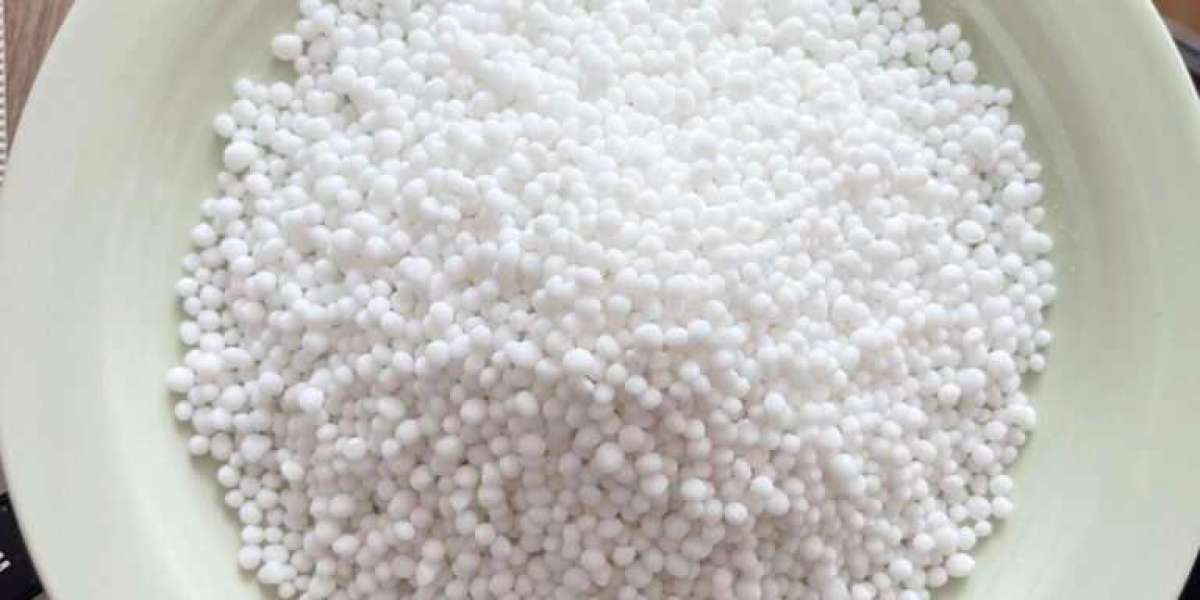

Modern agricultural science operates at the intersection of chemistry, biology, and digital engineering. As global populations continue to expand alongside the increasing scarcity of arable land, commercial farming enterprises face the monumental challenge of maximizing harvest yields while preserving the long-term ecological integrity of agricultural soils. Traditional blanket fertilization methods, characterized by high application rates and uniform broadcast distribution, are rapidly being replaced by advanced precision agronomy. Within this sophisticated technological domain, Classy Agricultural Compound Fertilizer serves as a foundational nutritional input, delivering a precisely balanced matrix of primary macronutrients designed to meet the rigorous physiological demands of intensive crop production.
Achieving maximum nutrient use efficiency (NUE) requires an exhaustive understanding of soil chemistry, rhizosphere biology, microclimate interactions, and advanced fertilizer formulation mechanics. When growers integrate high-purity compound fertilizers with modern digital soil testing, controlled-release technology, and targeted subsurface placement, they unlock unprecedented levels of productivity. This comprehensive agronomic guide explores the multifaceted biochemical, physical, and logistical frameworks that govern modern high-performance crop nutrition, examining how advanced inputs and scientific stewardship protocols drive sustainable agricultural success across diverse global ecosystems.
1. Soil Chemistry, Cation Exchange Capacity, and Nutrient Fixation Mechanics
The foundation of any successful agricultural enterprise rests upon the chemical and physical properties of the soil. Soil is not merely a passive structural medium for plant anchorage; it is a highly dynamic chemical reactor and biological habitat where countless ionic reactions occur simultaneously every second. Understanding these reactions is essential for preventing nutrient lockout and ensuring that applied fertilizers remain plant-available.
Cation Exchange Capacity (CEC) Dynamics: CEC measures a soil's ability to hold and exchange positively charged nutrient ions (cations) such as calcium, magnesium, potassium, and ammonium. Soils with high clay and organic matter content possess high CEC values, providing a robust natural reservoir that buffers against sudden nutrient fluctuations. Conversely, sandy soils exhibit low CEC, making them highly susceptible to nutrient leaching and requiring specialized, split-application fertilization strategies.
Fixation and Precipitation Pathways: Certain essential nutrients, particularly phosphorus and potassium, are notorious for reacting chemically with soil minerals. In acidic soils, soluble phosphorus binds rapidly with iron and aluminum to form insoluble compounds, whereas in alkaline soils, it precipitates with calcium. Advanced compound fertilizers utilize specialized chemical formulations that minimize fixation, keeping phosphorus dissolved in the soil solution longer for active root interception.
Electrical Conductivity (EC) and Osmotic Balance: The concentration of soluble salts in the soil solution dictates electrical conductivity. Excessive fertilizer concentrations can elevate EC to levels that create negative osmotic pressure, effectively causing physiological drought by preventing roots from absorbing moisture. Managing salt indices through high-purity raw materials prevents seedling root burn during critical early-season establishment phases.
2. The Rhizosphere Ecosystem and Microbe-Mediated Nutrient Cycling
Beneath the soil surface lies an astonishingly complex biological network known as the rhizosphere—the narrow zone of soil directly influenced by root secretions and microbial activity. The interaction between applied mineral fertilizers and this living biological community dictates the overall health and vigor of the crop.
Mycorrhizal Fungi Symbiosis: Arbuscular mycorrhizal fungi form intimate mutualistic relationships with plant roots, extending an intricate web of microscopic hyphae far beyond the root zone. This biological network dramatically increases the effective surface area for water and nutrient absorption, particularly for immobile elements like phosphorus and zinc. Balanced primary nutrition supports vigorous root growth, which in turn fuels these beneficial fungal networks with vital carbon exudates.
Rhizobacteria and Plant Growth Promotion: Plant growth-promoting rhizobacteria (PGPR) thrive in soils where nutrient levels are carefully balanced. These beneficial bacteria solubilize bound minerals, produce natural phytohormones that stimulate root branching, and act as biological antagonists against harmful soil-borne pathogens.
Enzymatic Mineralization of Organic Matter: Soil enzymes such as urease, phosphatase, and arylsulfatase drive the conversion of organic compounds into plant-available inorganic ions. Maintaining optimal macronutrient ratios prevents biological suppression, ensuring that soil microbial populations remain active and efficient throughout the growing season.
3. Wholesale Supply Chain Logistics and Bulk Inventory Management
While advanced agronomic science provides the theoretical framework for high-yield farming, the practical execution of any large-scale crop production plan relies entirely on an uninterrupted supply chain. Securing high-grade agricultural inputs at scale requires strategic partnerships with established industrial producers. Partnering with a premier Agricultural Compound Fertilizer Wholesaler ensures that agricultural cooperatives, regional distributors, and commercial farming enterprises gain access to high-volume inventory, consistent granule specifications, and dependable freight logistics during compressed seasonal planting windows.
Wholesale procurement managers must evaluate several critical physical and chemical parameters when selecting bulk fertilizer shipments:
Granule Crush Strength and Hardness: High mechanical strength prevents granules from fracturing into dust during pneumatic transport, auger transfer, and high-speed spreading operations, ensuring uniform field distribution.
Moisture Barrier Packaging: Advanced multi-layer woven polypropylene bags equipped with inner polyethylene liners protect hygroscopic compound fertilizers from absorbing atmospheric humidity, preventing caking and clumping during prolonged warehouse storage.
Granule Size Distribution (GSD): Uniform particle sizing is essential for maintaining accurate spread patterns across wide swaths, eliminating the segregation of lighter and heavier components during mechanical broadcasting.
4. Advanced Polymer Coatings and Controlled-Release Mechanics
Traditional soluble fertilizers dissolve instantaneously upon contact with soil moisture, creating a massive initial nutrient spike that frequently exceeds immediate crop demand. This surplus is highly vulnerable to environmental loss pathways, including volatilization, denitrification, and leaching. To counteract this inefficiency, advanced controlled-release technologies have revolutionized modern fertilizer engineering.
Controlled-release compound fertilizers utilize semi-permeable polymer or resin membranes to encapsulate soluble nutrient cores. When applied to the soil, moisture diffuses microscopically through the microporous coating, dissolving the internal fertilizer matrix into a concentrated solution. Driven by osmotic pressure gradients, dissolved nutrient ions slowly migrate outward through the membrane. Crucially, this diffusion rate is governed primarily by soil temperature rather than soil moisture volume. Because biological metabolic rates and crop growth are fundamentally tied to temperature, these advanced coatings automatically accelerate nutrient release during warm periods when plants grow fastest, synchronizing supply with demand and maximizing recovery efficiency.
5. Environmental Mitigation and Four R Nutrient Stewardship
Modern agricultural sustainability mandates strict adherence to environmental regulations and conservation practices designed to eliminate nutrient runoff, protect local watersheds, and reduce greenhouse gas emissions. Implementing a popular Hot Sale Agricultural Compound Fertilizer involves combining advanced fertilizer technology with the internationally recognized Four R Nutrient Stewardship framework: applying the Right Source at the Right Rate, at the Right Time, and in the Right Place.
Drastic Leaching Reduction: Slow-release membranes and balanced chemical bonding prevent sudden nutrient spikes, keeping mobile ions like nitrate and potassium safely within the root zone during heavy precipitation events.
Ammonia Volatilization Suppression: Encapsulating urea and ammonium compounds prevents surface exposure and subsequent gaseous loss into the atmosphere, improving overall nitrogen recovery rates.
Aquatic Ecosystem Protection: Stopping nutrient loading prevents the eutrophication of regional water bodies, eliminating harmful algal blooms and protecting aquatic life in surrounding watersheds.
Conclusion
The evolution of modern agriculture demands a departure from outdated, inefficient practices in favor of precision agronomy, advanced chemical formulations, and rigorous supply chain management. By harnessing soil chemistry insights, supporting rhizosphere biology, utilizing controlled-release technologies, and adhering strictly to environmental stewardship protocols, commercial growers can achieve unprecedented harvest yields while safeguarding natural resources for future generations.
Frequently Asked Questions
What is Cation Exchange Capacity (CEC) and why does it matter for crop nutrition?
CEC measures a soil's ability to retain and exchange positively charged nutrient ions, acting as a natural reservoir that prevents leaching and ensures a steady supply of essential elements to plant roots.
How do mycorrhizal fungi enhance phosphorus uptake in plants?
Mycorrhizal fungi extend a vast network of microscopic hyphae that dramatically increase root surface area, secreting specialized enzymes that unlock bound phosphorus and make it plant-available.
Why are physical properties like granule crush strength important for wholesale fertilizer buyers?
High crush strength ensures that fertilizer pellets do not break down into fine dust during transport and mechanical spreading, guaranteeing uniform application across the field.
How do polymer-coated controlled-release fertilizers protect environmental water quality?
Polymer coatings regulate nutrient release to match active plant uptake curves, preventing massive chemical surges that cause leaching into groundwater and surface runoff into watersheds.
What are the core principles of the Four R Nutrient Stewardship framework?
The Four R framework dictates applying the right fertilizer source, at the right rate, at the right time, and in the right place to maximize agronomic efficiency and minimize environmental impact.