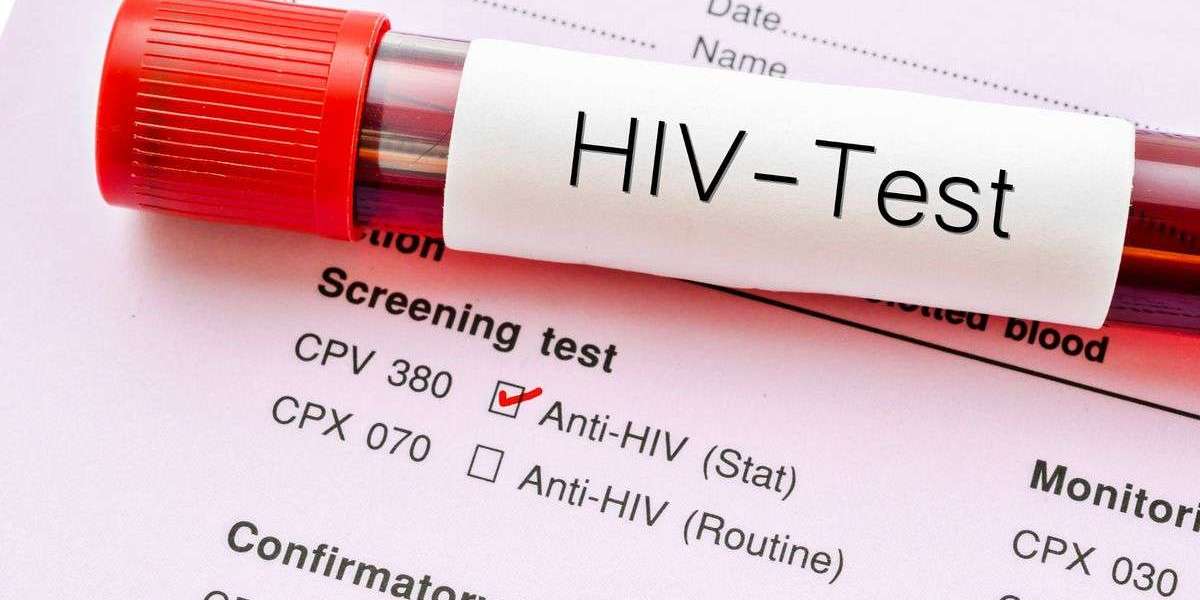

An HIV Blood Test is one of the most reliable methods for detecting Human Immunodeficiency Virus (HIV). Advances in laboratory medicine have made HIV screening highly accurate, allowing healthcare professionals to identify infection early and recommend appropriate care when necessary. While the testing process itself is straightforward, preparing properly for your HIV screening can help ensure a smooth experience and improve your understanding of the results.
Many people feel anxious before an HIV Blood Test in Dubai because they are unsure about what to expect, whether they need to fast, or how the laboratory procedure works. Knowing how to prepare can reduce unnecessary stress and help you approach the screening with confidence. Preparation also allows healthcare providers to collect the information needed to interpret your results accurately, especially if recent HIV exposure is a concern.
Why Preparation Matters Before an HIV Blood Test?
Preparing for an HIV Blood Test is not only about arriving for your appointment. It also involves understanding the purpose of the test, knowing what information to share with your healthcare provider, and being aware of factors such as the HIV window period.
Proper preparation helps:
Improve communication with healthcare professionals
Ensure the correct laboratory test is selected
Support accurate interpretation of results
Reduce unnecessary anxiety
Make the blood collection process easier
Being informed before testing allows you to participate actively in your healthcare.
Understand the Purpose of HIV Screening:
Before attending your appointment, it is helpful to understand why HIV screening is recommended.
Healthcare providers may advise an HIV Blood Test for several reasons, including:
Routine preventive healthcare
Pregnancy screening
Evaluation after possible HIV exposure
Occupational exposure to blood
Pre-surgical medical assessments
General sexual health evaluations
Knowing the reason for testing helps healthcare professionals choose the most appropriate diagnostic method.
Learn About the Different Types of HIV Blood Tests:
Modern HIV diagnosis relies on different laboratory techniques.
Antibody Tests:
These tests detect antibodies produced by the immune system after HIV infection.
Fourth-Generation HIV Tests:
These advanced laboratory tests detect both HIV antibodies and the p24 antigen, allowing earlier detection than antibody-only tests.
HIV RNA Tests:
These specialized tests identify the virus's genetic material and may be recommended when very early infection is suspected.
Understanding these testing methods helps explain why your healthcare provider may recommend one type of HIV Blood Test over another.
Know the Importance of the Window Period:
One of the most important concepts to understand before HIV screening is the window period.
The window period is the time between HIV exposure and when laboratory tests can reliably detect infection. During this interval, HIV-related markers may not yet be present in sufficient amounts for detection.
If you believe you were recently exposed to HIV, inform your healthcare provider. This information helps determine:
Which HIV Blood Test is appropriate
Whether immediate testing is recommended
If repeat testing may be needed later
Honest communication improves the accuracy of clinical decision-making.
Share Your Medical History:
Before your blood sample is collected, healthcare professionals may ask questions about your medical history.
Important topics may include:
Previous HIV tests
Current medications
Recent illnesses
Pregnancy status
Chronic medical conditions
Possible HIV exposure
Providing complete and accurate information allows healthcare providers to interpret laboratory findings correctly.
Do You Need to Fast?
A common question before an HIV Blood Test is whether fasting is required.
In most cases, fasting is not necessary for routine HIV screening. However, if additional blood tests such as glucose or lipid profile testing are scheduled during the same appointment, your healthcare provider may give specific preparation instructions.
Always follow the guidance provided by your healthcare team before your laboratory visit.
Stay Hydrated Before Your Appointment:
Drinking enough water before your HIV Blood Test can make blood collection easier.
Good hydration may:
Improve vein visibility
Support smoother blood collection
Reduce the likelihood of repeated needle attempts
Increase overall comfort during the procedure
Water is generally encouraged unless your healthcare provider advises otherwise for additional laboratory investigations.
Wear Comfortable Clothing:
Simple clothing choices can make your appointment more convenient.
Consider wearing:
Short-sleeved shirts
Loose-fitting sleeves
Comfortable clothing that allows easy access to your arm
These small preparations help healthcare professionals collect the blood sample quickly and efficiently.
What Happens During the HIV Blood Test?
Understanding the testing process often reduces anxiety.
A routine HIV Blood Test usually includes the following steps:
Patient Verification:
Healthcare staff confirm your identity and review relevant medical information.
Blood Sample Collection:
A healthcare professional cleans the skin with an antiseptic and draws a small blood sample from a vein using sterile equipment.
Sample Labeling:
The specimen is carefully labeled and prepared for laboratory analysis.
Laboratory Processing:
The blood sample is transported to the laboratory, where advanced diagnostic equipment examines it for HIV-related biological markers.
The blood collection procedure itself usually takes only a few minutes.
Managing Anxiety Before Testing:
Feeling nervous before an HIV Blood Test is common.
Helpful ways to stay calm include:
Learning about the testing process
Asking healthcare professionals questions
Arriving on time for your appointment
Practicing slow, steady breathing
Remembering that HIV screening is a routine medical procedure
Understanding each stage of the process often makes the experience less stressful.
What Happens After Your Blood Sample Is Collected?
After the blood sample has been taken, laboratory professionals begin a series of quality-controlled procedures.
These include:
Sample verification
Specimen preparation
Automated laboratory analysis
Quality assurance checks
Professional review of findings
Every stage is designed to produce accurate and dependable HIV Blood Test results.
Understanding Your Test Results:
Receiving laboratory results is an important part of the HIV screening process.
Non-Reactive Result:
A non-reactive result generally means HIV was not detected. If testing occurred during the window period, repeat testing may be recommended.
Reactive Screening Result:
A reactive screening result indicates that HIV-related markers were detected. Confirmatory laboratory testing is required before a diagnosis is established.
Indeterminate Result:
Occasionally, laboratory findings are inconclusive, requiring additional testing for clarification.
Healthcare providers interpret results together with your medical history and possible exposure timeline.
Common Preparation Mistakes to Avoid:
Proper preparation helps improve your overall testing experience.
Avoid these common mistakes:
Hiding recent HIV exposure from your healthcare provider
Ignoring preparation instructions for additional laboratory tests
Assuming symptoms alone can determine HIV status
Expecting immediate detection after recent exposure
Skipping recommended follow-up appointments
Being open and informed supports accurate diagnosis.
Tips for a Smooth HIV Screening Experience:
To make your appointment as comfortable as possible:
Schedule your HIV Blood Test at an appropriate time after possible exposure.
Bring any requested identification or medical records.
Stay hydrated before your appointment.
Wear clothing that allows easy access to your arm.
Ask questions if anything about the testing process is unclear.
Follow any recommendations for repeat or confirmatory testing.
These simple steps help create a positive healthcare experience.
Frequently Asked Questions:
Do I need to fast before an HIV Blood Test?
Routine HIV Blood Tests generally do not require fasting unless additional laboratory tests are scheduled.
Can I take my regular medications before testing?
Continue taking medications unless your healthcare provider advises otherwise.
Is the blood collection painful?
Most people experience only brief, mild discomfort during sample collection.
Why should I mention recent HIV exposure?
The timing of exposure helps healthcare providers select the most appropriate HIV Blood Test and interpret the results accurately.
What if my result is reactive?
A reactive screening result requires confirmatory laboratory testing before an HIV diagnosis can be confirmed.
Conclusion:
Preparing for an HIV Blood Lab tests involves more than simply attending a laboratory appointment. Understanding the purpose of HIV screening, learning about the different testing methods, recognizing the importance of the window period, and sharing accurate medical information all contribute to reliable laboratory results and informed healthcare decisions. Simple steps such as staying hydrated, wearing comfortable clothing, and following any preparation instructions can also make the blood collection process easier and more comfortable.
Modern HIV Blood Tests are supported by advanced laboratory technology, strict quality assurance procedures, and evidence-based medical guidelines that ensure dependable results. By preparing properly for your HIV screening and following healthcare provider recommendations, individuals can approach testing with confidence, support early diagnosis when needed, and take an important step toward protecting their long-term health and overall well-being.