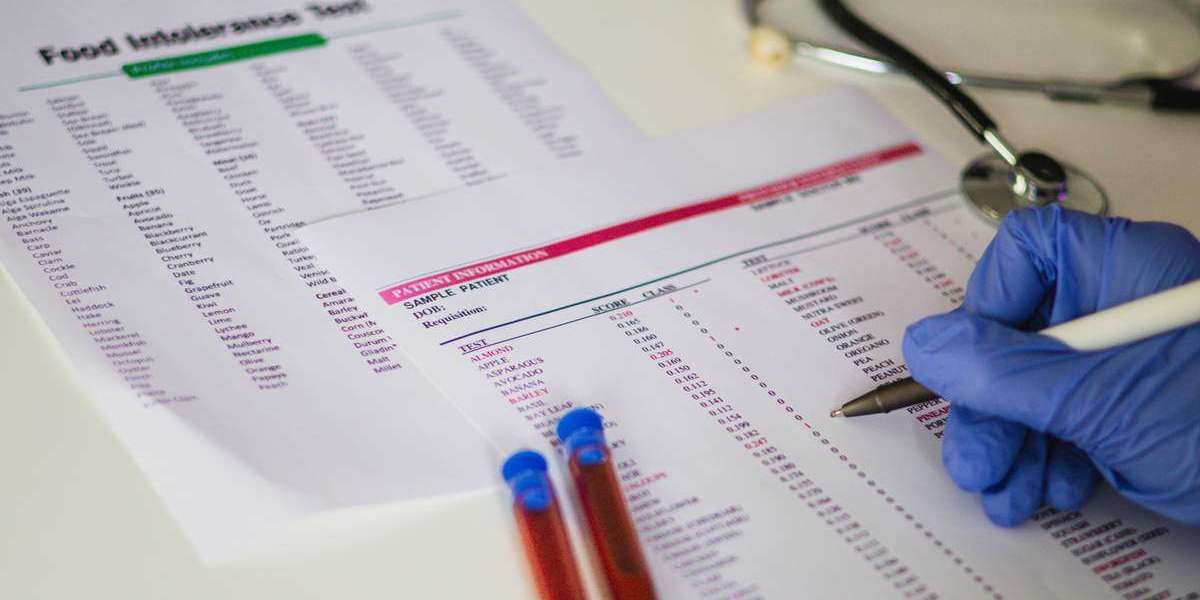

Completing a food intolerance test is an important milestone, but receiving your results often raises even more questions. You may wonder whether you need to eliminate certain foods immediately, whether your digestive symptoms finally have an explanation, or if additional testing is necessary. Without proper interpretation, test results can feel confusing and may even lead to unnecessary dietary restrictions.
A Food Intolerance Test Dubai is designed to provide valuable information about how your body responds to specific foods, but the results should always be viewed within the context of your overall health. Your medical history, symptom patterns, dietary habits, and clinical evaluation are just as important as the test itself.
This guide explains how to understand your food intolerance test results, what different outcomes may mean, and how to use the information to make confident decisions that support better digestive health and balanced nutrition.
Why Test Results Are Only One Part of the Bigger Picture?
Many people expect a food intolerance test to provide a simple list of foods they should never eat again. In reality, digestive health is far more complex.
Symptoms such as bloating, abdominal pain, diarrhea, constipation, excessive gas, nausea, fatigue, and indigestion can result from multiple causes, including food intolerance, irritable bowel syndrome (IBS), celiac disease, gastrointestinal infections, stress, or other digestive disorders.
For this reason, healthcare professionals combine test results with:
Medical history
Symptom timeline
Physical examination
Food diary
Lifestyle habits
Additional diagnostic findings
This comprehensive approach leads to more accurate conclusions and personalized treatment recommendations.
What Your Food Intolerance Test Is Designed to Show?
The purpose of a food intolerance assessment is to determine whether specific foods consistently contribute to digestive symptoms.
Depending on the testing method, your evaluation may identify:
Difficulty digesting lactose
Poor absorption of fructose
Foods associated with recurring digestive symptoms
Patterns that suggest dietary triggers
The need for additional medical evaluation
The goal is to guide better dietary decisions rather than simply producing a long list of foods to avoid.
Understanding Different Types of Results:
Not every food intolerance test provides the same type of information. Understanding how your results were obtained helps you interpret them more accurately.
Elimination Diet Findings:
If you completed an elimination diet, your results are based on how your body responded when foods were removed and gradually reintroduced.
Symptom improvement during elimination followed by symptom recurrence after reintroduction may indicate that a particular food contributes to your digestive discomfort.
Because this approach directly evaluates your symptoms, it remains one of the most useful methods for identifying food intolerance.
Hydrogen Breath Test Results:
Hydrogen breath testing measures hydrogen gas produced when certain carbohydrates are poorly absorbed during digestion.
Higher-than-expected hydrogen levels may indicate conditions such as:
Lactose intolerance
Fructose malabsorption
These findings help healthcare providers recommend appropriate dietary adjustments.
Clinical Assessment:
Sometimes the most meaningful result comes from combining symptom history with dietary analysis rather than relying on laboratory findings alone.
Healthcare professionals often identify clear patterns through careful clinical evaluation.
What Positive Results Really Mean?
Receiving a positive result does not necessarily mean a food is harmful to you in every situation.
Instead, it suggests that a particular food or ingredient may contribute to symptoms under certain circumstances.
Your healthcare provider may recommend:
Reducing portion sizes
Limiting specific foods
Temporarily eliminating certain ingredients
Gradually reintroducing foods
Monitoring symptom changes
Management plans vary depending on individual tolerance and nutritional needs.
What If Your Results Are Negative?
Negative results can feel disappointing if you continue experiencing digestive symptoms, but they still provide valuable information.
A negative result may indicate:
Food intolerance is less likely
Another digestive condition should be investigated
Symptoms may be influenced by lifestyle factors
Additional testing is needed
Negative findings help narrow the search for the underlying cause and prevent unnecessary dietary restrictions.
Why Symptoms Matter as Much as the Test?
A food intolerance test should never be interpreted in isolation.
Healthcare professionals carefully compare your results with questions such as:
Do symptoms occur consistently after eating?
Are reactions linked to specific foods?
How severe are the symptoms?
Have dietary changes improved your condition?
Could another digestive disorder explain the symptoms?
The answers to these questions often provide as much diagnostic value as the test itself.
Common Foods That May Appear During Evaluation:
Food intolerance varies from person to person, but certain foods are more frequently investigated because they commonly trigger digestive symptoms.
These include:
Milk and dairy products
Wheat-containing foods
High-FODMAP fruits
Garlic
Onions
Beans
Lentils
Artificial sweeteners
Sulfites
Monosodium glutamate (MSG)
Certain processed foods
A positive result does not automatically require permanent avoidance of these foods.
What to Do After Receiving Your Results?
The period following your food intolerance test is an opportunity to create a practical and sustainable management plan.
Discuss the Findings with Your Healthcare Provider:
Professional interpretation helps you understand how the results relate to your symptoms and overall health.
Avoid Making Immediate Major Dietary Changes:
Removing numerous foods without guidance may increase the risk of nutritional deficiencies and make meal planning unnecessarily difficult.
Work with a Registered Dietitian:
A dietitian can help develop a balanced eating plan that minimizes symptoms while ensuring adequate nutrition.
Continue Monitoring Symptoms:
Keeping a food diary after testing allows you to evaluate whether dietary adjustments are improving your digestive health.
Mistakes to Avoid When Reading Your Results:
Misinterpreting food intolerance results is more common than many people realize.
Avoid these common mistakes:
Assuming Every Positive Result Requires Permanent Elimination:
Many individuals tolerate smaller portions of certain foods without experiencing symptoms.
Ignoring Other Possible Medical Conditions:
Persistent digestive symptoms may require further evaluation even after food intolerance testing.
Following Highly Restrictive Diets Without Supervision:
Unnecessary food avoidance can reduce dietary variety and increase the risk of vitamin and mineral deficiencies.
Depending Solely on Test Results:
Symptom history and professional medical assessment remain essential parts of accurate diagnosis.
Building Confidence in Your Long-Term Nutrition Plan:
The purpose of food intolerance testing is not to create fear around eating but to support informed dietary choices.
Long-term success often includes:
Balanced nutrition
Portion awareness
Healthy meal planning
Regular physical activity
Adequate hydration
Stress management
Consistent follow-up with healthcare professionals
These habits support both digestive health and overall well-being.
Frequently Asked Questions:
Does a positive food intolerance test mean I should never eat that food again?
Not necessarily. Many people can tolerate small amounts of certain foods or reintroduce them gradually under professional guidance.
Why do I still have symptoms after receiving normal results?
Digestive symptoms may result from conditions other than food intolerance, including IBS, celiac disease, gastrointestinal infections, or functional digestive disorders. Additional evaluation may be appropriate.
Should I repeat my food intolerance test?
Repeat testing is not always necessary. Your healthcare provider will recommend additional evaluation only if your symptoms change significantly or new concerns arise.
Can food intolerance change over time?
Yes. Some intolerances improve as underlying digestive conditions resolve, while others may persist. Regular follow-up with your healthcare provider helps determine the most appropriate long-term management strategy.
Final Thoughts:
Understanding your food intolerance Lab tests results with confidence requires more than reading a report. The most accurate interpretation comes from combining your results with your medical history, symptom patterns, dietary habits, and professional clinical evaluation. Whether your findings identify a specific trigger food or suggest the need for additional investigation, they provide valuable guidance for improving digestive health and making informed nutritional choices.
Rather than viewing your results as a list of permanent restrictions, use them as a starting point for building a personalized eating plan that supports comfort, balanced nutrition, and long-term well-being. Working closely with your healthcare provider and, when appropriate, a registered dietitian ensures that every dietary change is evidence-based, sustainable, and tailored to your individual health needs.me