
Dental Braces in Dubai: How the Treatment Works
Orthodontic treatment can gradually improve the position of teeth and correct many common bite concerns. Understanding how braces work can help patients feel more prepared before beginning treatment. A professional dental clinic in dubai can evaluate your teeth, gums, bite, and jaw structure before recommending suitable Dental Braces in Dubai for your individual orthodontic needs.
What Are Dental Braces?
Dental braces are fixed orthodontic appliances designed to guide teeth into improved positions.
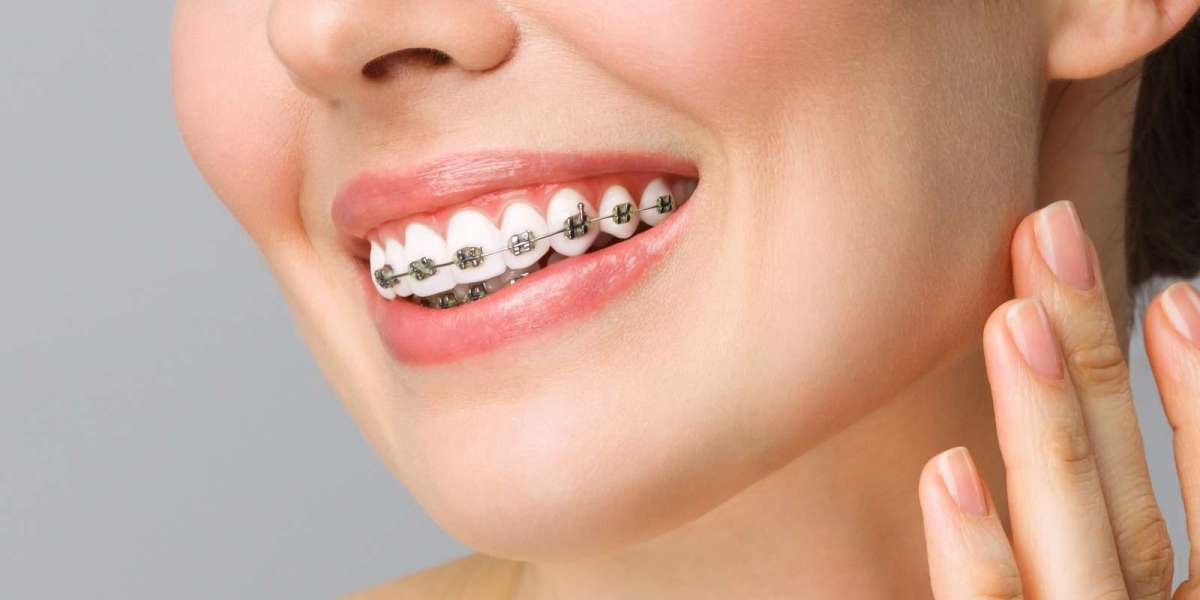
Traditional braces use brackets attached to the teeth and an orthodontic wire that connects them. The orthodontist makes controlled adjustments to gradually influence tooth movement.
Treatment is planned according to the patient's alignment, bite, age, oral health, and desired results.
Step 1: Initial Orthodontic Consultation
Treatment begins with a detailed consultation.
The orthodontist examines the position of your teeth and evaluates how your upper and lower teeth meet. The gums, jaw structure, and overall oral health are also considered.
This assessment helps determine whether braces are appropriate and what type of orthodontic treatment may be required.
Step 2: Diagnostic Assessment
Your orthodontist may use photographs, dental scans, X-rays, or other diagnostic tools.
These records provide information about tooth roots, jaw relationships, bone structure, and alignment.
Accurate diagnosis allows the orthodontist to develop a treatment plan based on your individual dental anatomy rather than relying only on the visible appearance of the teeth.
Step 3: Creating a Treatment Plan
After the assessment, the orthodontist explains the recommended treatment.
The plan may include the type of braces, expected treatment duration, appointment schedule, oral hygiene requirements, and estimated costs.
If cavities, gum disease, or other dental problems are identified, they may need to be addressed before braces are fitted.
Step 4: Preparing the Teeth
Before braces are placed, your teeth should be professionally assessed and cleaned when necessary.
Good oral hygiene is especially important because brackets and wires can make cleaning more challenging.
Any existing dental concerns should be managed according to your dentist's recommendations before orthodontic treatment begins.
Step 5: Fitting the Brackets
For traditional braces, brackets are carefully attached to the front surface of the teeth.
The brackets act as small anchors that hold the orthodontic wire in position.
Their placement is planned according to the desired movement of each tooth.
Step 6: Attaching the Orthodontic Wire
After the brackets are positioned, an orthodontic wire is connected across them.
The wire provides controlled forces that help guide the teeth.
The orthodontist selects the appropriate wire according to the stage and goals of treatment.
Step 7: The Teeth Begin Moving
Once the braces are active, gradual tooth movement begins.
The supporting tissues around the teeth respond to the controlled orthodontic forces, allowing teeth to move toward their planned positions.
Because this is a biological process, movement occurs gradually rather than immediately.
How Long Does Tooth Movement Take?
The speed of tooth movement varies from patient to patient.
Factors such as age, bone structure, tooth position, treatment complexity, oral health, and individual biological response can influence progress.
Your orthodontist can provide an estimated timeline after evaluating your case.
Step 8: Regular Adjustment Appointments
Braces require regular appointments throughout treatment.
During these visits, the orthodontist checks tooth movement and makes appropriate adjustments to the wires or other components.
These appointments help maintain controlled progress and allow the treatment plan to be modified if necessary.
What Happens During an Adjustment?
An adjustment appointment may involve changing or tightening the orthodontic wire.
The orthodontist may also replace elastic components or make other modifications according to the current stage of treatment.
Some temporary pressure or mild soreness may occur after an adjustment.
Braces and Crowded Teeth
Crowding is one of the common reasons patients seek orthodontic treatment.
When there is insufficient space for teeth to align properly, braces can gradually guide them toward more appropriate positions.
The treatment approach depends on the severity and cause of the crowding.
Braces and Dental Gaps
Braces can also be used to reduce certain spaces between teeth.
The orthodontist evaluates the cause and size of the gap before deciding how it should be treated.
Gradual tooth movement can help create a more balanced alignment when appropriate.
Correcting Bite Problems
Braces may help correct several bite irregularities.
These can include overbite, underbite, crossbite, and other alignment problems.
Treatment focuses on improving the relationship between the upper and lower teeth while creating a functional and balanced bite.
How Braces Affect Your Smile
As treatment progresses, the teeth gradually become more aligned.
Changes may be noticeable at different stages depending on the severity of the original problem.
The final appearance depends on tooth position, gum health, facial structure, and the treatment objectives established by the orthodontist.
Eating During Treatment
Patients usually need to make some dietary adjustments.
Very hard, sticky, or chewy foods can damage brackets and wires.
Choosing softer foods and cutting harder items into smaller pieces can reduce unnecessary pressure on the appliance.
Maintaining Oral Hygiene
Braces create additional areas where food particles and plaque can collect.
Brush carefully around brackets and wires and pay close attention to the gumline.
Interdental brushes and other cleaning tools can help reach areas that a standard toothbrush may not clean effectively.
Professional Dental Cleaning
Regular professional dental care remains important during orthodontic treatment.
A dentist or hygienist can help manage plaque and monitor the health of your teeth and gums.
Keeping the mouth healthy throughout treatment can support better orthodontic outcomes.
What If a Bracket Breaks?
Brackets and wires can occasionally become loose or damaged.
If this happens, contact your orthodontic clinic for advice rather than attempting to repair the appliance yourself.
Prompt attention can prevent the damaged component from interfering with treatment or irritating the mouth.
Managing Discomfort
Some patients experience mild pressure or soreness after braces are fitted or adjusted.
This is generally temporary as the mouth adapts to the orthodontic forces.
Your dental professional can provide appropriate advice for managing discomfort based on your individual circumstances.
Step 9: Monitoring Progress
Throughout treatment, the orthodontist compares your current tooth positions with the planned movement.
Adjustments are made when necessary to keep treatment progressing appropriately.
The exact number of appointments depends on the complexity of your case and your treatment response.
Step 10: Braces Removal
Once the teeth have reached the planned positions, the orthodontist removes the braces.
The brackets are carefully detached, and the teeth are cleaned.
Your orthodontist then evaluates the final alignment and prepares you for the retention phase.
Step 11: Retainer Treatment
Retainers are used after braces to help maintain the new positions of the teeth.
They can be removable or fixed depending on the patient's needs.
Following the recommended retainer schedule is important because teeth can naturally shift after orthodontic treatment.
Why Retainers Matter
The tissues surrounding the teeth need time to adapt to their new positions.
Without retention, teeth may gradually move back toward their previous alignment.
Long-term retainer use according to professional instructions can help preserve the results of orthodontic treatment.
How Long Do Braces Results Last?
The alignment achieved through braces can be maintained for many years with proper retention and oral care.
However, natural changes can occur over time.
Regular dental visits and following your orthodontist's retainer recommendations can help maintain your smile.
Factors That Affect Treatment Success
Patient cooperation is an important part of orthodontic treatment.
Keeping appointments, maintaining oral hygiene, avoiding foods that damage braces, and following professional instructions can help treatment progress smoothly.
Oral health problems or missed appointments can sometimes delay treatment.
Choosing the Right Orthodontic Provider
When considering braces, look for a qualified professional with experience in orthodontic treatment.
The clinic should provide appropriate diagnostic assessment, clear treatment planning, regular monitoring, and reliable follow-up care.
A detailed consultation can help you understand your options before treatment begins.
Conclusion
The process behind Dental Braces in Dubai involves several carefully planned stages, starting with an orthodontic examination and diagnostic assessment and continuing through bracket placement, regular adjustments, tooth movement, braces removal, and retainer care.
Treatment is gradual because teeth need time to respond safely to orthodontic forces. Maintaining good oral hygiene, attending appointments, protecting the braces, and following retainer instructions can help support a successful and lasting result.