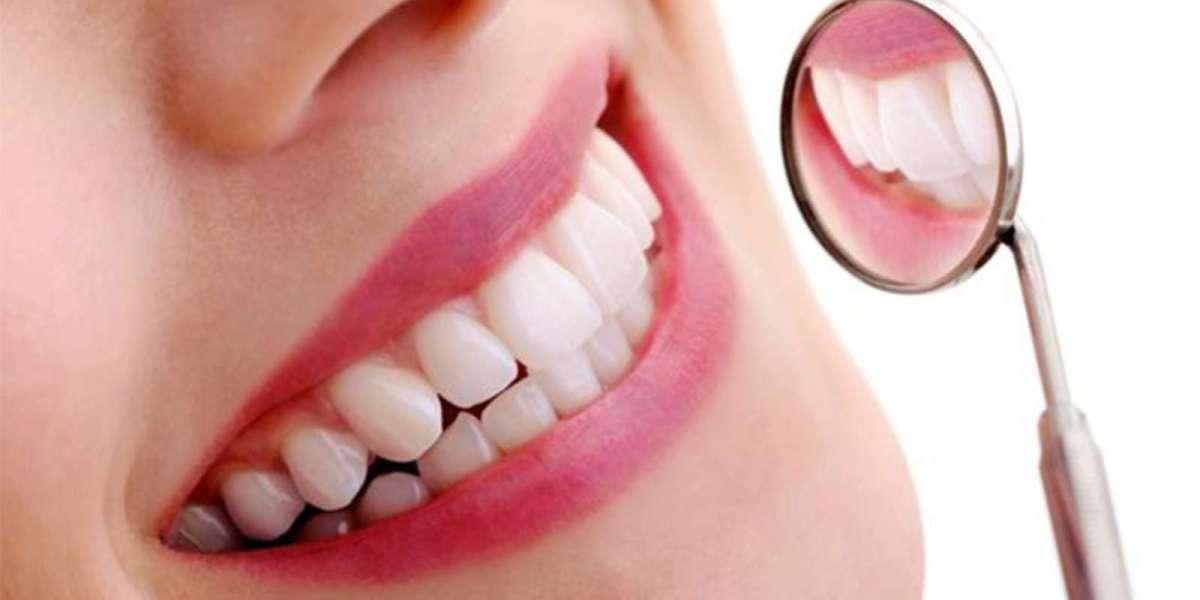

Professional dental cleaning is a routine part of preventive oral care. Although brushing and flossing help remove daily plaque, hardened tartar and certain deposits may require professional attention. Teeth Cleaning in Dubai can help keep teeth and gums cleaner while allowing dental professionals to monitor your oral health. At a qualified dental clinic in dubai, the cleaning process is tailored to your dental condition, the amount of buildup, and any concerns affecting your gums or teeth.
What Is Professional Teeth Cleaning?
Professional teeth cleaning is a dental procedure that focuses on removing plaque, tartar, and some surface stains from the teeth.
A routine appointment may include an oral examination, scaling, polishing, and personalized hygiene advice. The exact steps can vary depending on the patient's oral health.
If significant gum disease or heavy deposits are present, the dentist may recommend a deeper form of periodontal cleaning instead of a routine appointment.
Step 1: Dental Examination
Your visit generally begins with an examination of your teeth and gums.
The dentist or dental hygienist checks for visible plaque, tartar, staining, gum inflammation, tooth decay, and other concerns. Existing dental restorations may also be examined.
This initial assessment helps determine the appropriate cleaning approach and whether further dental treatment may be needed.
Step 2: Checking Plaque and Tartar
Plaque is a soft bacterial film that develops naturally on teeth. If it remains on the surface, it can gradually harden into tartar.
Tartar is more difficult to remove through normal brushing. It can accumulate around the gumline and between teeth.
The dental professional identifies areas with buildup before beginning the cleaning process.
Step 3: Professional Scaling
Scaling is used to remove hardened deposits from tooth surfaces.
Specialized dental instruments are used to carefully remove tartar without unnecessarily damaging the tooth surface. The dental professional pays particular attention to areas around the gumline and other difficult-to-reach locations.
The duration of scaling depends on how much buildup is present.
Step 4: Teeth Polishing
After scaling, polishing may be performed.
A professional polishing procedure can remove certain surface stains and smooth the tooth surfaces. This can leave the teeth feeling cleaner and smoother.
Polishing should not be confused with teeth whitening. It generally removes external staining rather than changing the natural internal color of the teeth.
Step 5: Flossing or Interdental Cleaning
The dental professional may clean between the teeth or demonstrate appropriate interdental cleaning techniques.
Cleaning between teeth is important because toothbrush bristles cannot effectively reach every surface.
Depending on your dental condition, you may be advised to use dental floss, interdental brushes, or another cleaning aid.
Step 6: Gum Assessment
The condition of your gums is an important part of a professional cleaning appointment.
The dental team may look for signs of inflammation, bleeding, swelling, recession, or other concerns.
If gum problems are identified, the dentist can recommend appropriate treatment or a more frequent maintenance schedule.
Is Teeth Cleaning Painful?
Routine cleaning is generally well tolerated, but some patients may experience temporary sensitivity.
Sensitivity can be more noticeable when there is significant tartar buildup, gum inflammation, or exposed tooth surfaces.
If you have sensitive teeth, tell the dental professional before the procedure. The cleaning approach can be adjusted according to your comfort and oral condition.
How Long Does a Cleaning Appointment Take?
The duration of a cleaning varies from patient to patient.
A routine appointment may be relatively quick when there is limited buildup and healthy gums. More time may be needed when substantial tartar or staining is present.
Patients requiring periodontal treatment may need a different appointment structure and additional visits.
What Happens After Cleaning?
After a routine cleaning, your teeth may feel smoother and cleaner.
Some patients experience temporary sensitivity, particularly if substantial deposits were removed. Your dentist may recommend specific toothpaste or home-care measures if sensitivity occurs.
Following professional advice can help maintain the results of the cleaning.
Can Teeth Cleaning Make Teeth Whiter?
Professional cleaning can make teeth appear brighter by removing certain surface stains caused by foods, drinks, and tobacco.
However, it is not a substitute for professional teeth whitening. Whitening treatments work differently and are designed to lighten tooth color.
If you want a noticeably whiter smile, discuss your expectations with your dentist to determine whether whitening is appropriate.
Teeth Cleaning and Gum Disease
Plaque and tartar can contribute to gum inflammation. If left untreated, gum problems may become more serious.
Routine cleaning can help control deposits, but advanced gum disease may require specialized periodontal treatment.
Your dentist can assess the condition of your gums and explain whether routine cleaning or a deeper cleaning approach is appropriate.
What Should You Do Before Cleaning?
Usually, no complicated preparation is necessary for a routine cleaning.
Continue your normal oral hygiene routine unless your dental professional gives different instructions. Tell the dentist about tooth sensitivity, gum bleeding, dental treatments, or other concerns before the appointment.
Providing accurate information helps the dental team personalize your care.
What Should You Do After Cleaning?
Continue brushing twice daily and cleaning between your teeth.
If your dentist recommends avoiding certain foods or drinks temporarily, follow those instructions. Patients with sensitivity may also benefit from products recommended by their dental professional.
Avoid aggressive brushing because excessive pressure can irritate the gums.
How Often Should You Get Teeth Cleaned?
The appropriate frequency depends on your individual oral health.
Some patients may need routine cleaning at regular intervals, while people with gum disease, heavy tartar buildup, braces, or other risk factors may require more frequent appointments.
Your dentist can recommend a personalized schedule based on your examination.
Professional Cleaning for Braces
Braces can make daily plaque removal more challenging.
Food particles can collect around brackets, wires, and other orthodontic components. Professional cleaning can help maintain oral hygiene while orthodontic treatment is underway.
Patients should also use the cleaning tools recommended by their orthodontist or dentist.
Professional Cleaning for Sensitive Teeth
Sensitivity does not necessarily mean you should avoid professional cleaning.
Instead, tell the dental team about your symptoms. The dentist can identify potential causes of sensitivity and recommend appropriate care.
Persistent sensitivity may require further examination because it can sometimes be associated with gum recession, enamel wear, cavities, or other dental conditions.
Why Regular Dental Checkups Matter
A cleaning appointment is also an opportunity to identify potential dental problems early.
Regular examinations can help detect cavities, gum inflammation, damaged restorations, and other concerns before they become more complicated.
Preventive care is generally easier when dental problems are addressed at an early stage.
Choosing the Right Dental Clinic
When choosing a provider for Teeth Cleaning in Dubai, consider professional qualifications, hygiene standards, equipment, patient communication, and preventive dental services.
A good dental team should explain the cleaning process and identify the areas that need attention instead of treating every patient the same way.
Conclusion
Knowing what to expect can make a professional cleaning appointment more comfortable and straightforward. The process may include an examination, tartar assessment, scaling, polishing, interdental cleaning, gum evaluation, and personalized oral hygiene advice.
If you are considering Teeth Cleaning in Dubai, a qualified dental clinic in dubai can assess your individual needs and recommend an appropriate cleaning and checkup schedule. Regular professional care, combined with consistent home hygiene, can help protect your teeth and gums and support a healthier smile.