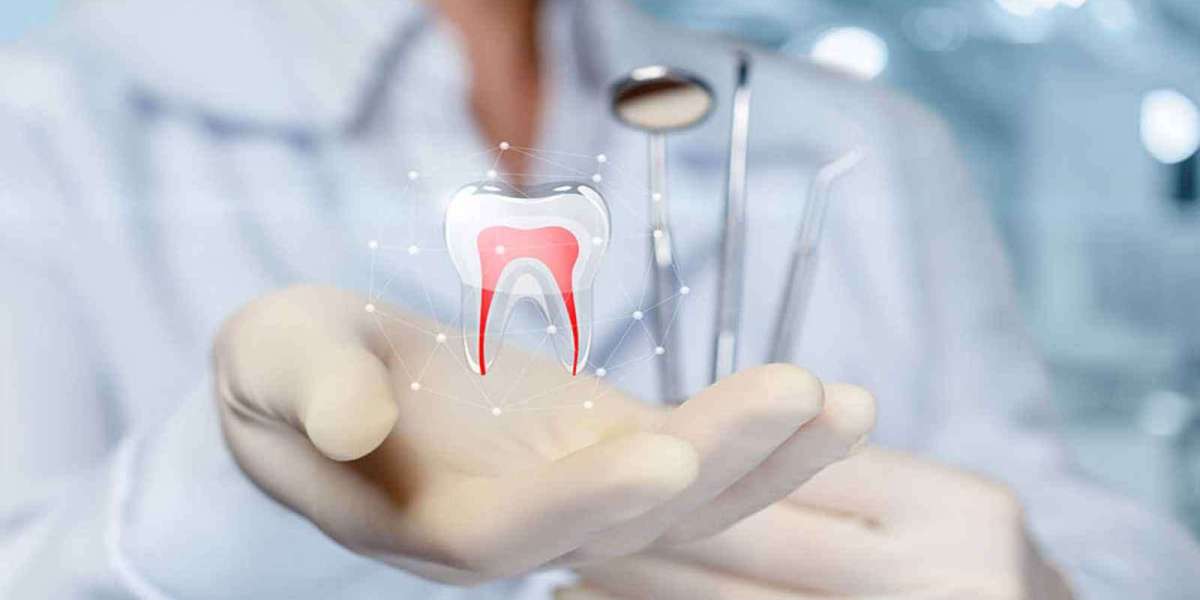

Persistent tooth pain can make eating, sleeping, and everyday activities uncomfortable. Although toothache can have many causes, severe or prolonged pain may sometimes indicate inflammation or infection inside the tooth. Root Canal Treatment in Dubai can treat an affected dental pulp and help preserve the natural tooth when appropriate. A qualified dental clinic in dubai can examine the source of your pain and determine whether root canal therapy or another treatment is needed.
What Causes Severe Tooth Pain?
Tooth pain can result from cavities, cracked teeth, gum problems, sensitivity, dental trauma, or infection inside the tooth.
When decay reaches the pulp, the nerves and blood vessels inside the tooth can become inflamed. This may cause persistent pain or sensitivity that continues after eating or drinking.
A professional examination is necessary because similar symptoms can have different causes.
When Does Tooth Pain Suggest a Root Canal?
Pain alone does not automatically mean that root canal treatment is required.
However, prolonged sensitivity to hot or cold, spontaneous toothache, pain when biting, swelling near the affected tooth, or persistent discomfort may indicate pulp damage or infection.
Your dentist may use clinical tests and dental imaging to determine whether the pulp is affected.
Tooth Pain From Deep Decay
A small cavity may not cause noticeable symptoms at first.
If decay progresses deeper into the tooth, it can eventually reach the pulp. At this stage, a simple filling may no longer be sufficient.
Root canal treatment may be considered when the pulp has become irreversibly inflamed or infected and the remaining tooth can be restored.
Tooth Pain From a Cracked Tooth
A cracked tooth can allow bacteria to enter deeper structures.
Patients may experience pain while chewing or sensitivity to temperature. The symptoms can sometimes be difficult to locate because the crack may be small.
The dentist will assess the tooth carefully and determine whether root canal treatment, restoration, or another procedure is appropriate.
Tooth Pain After Dental Trauma
An injury to the mouth can damage the pulp even when the tooth looks relatively normal from the outside.
Trauma may cause the pulp to become inflamed or lose its vitality over time. Changes in tooth color or persistent sensitivity after an injury should be evaluated.
Prompt dental assessment can help determine whether the tooth requires treatment.
Symptoms That Should Not Be Ignored
Persistent toothache should not be ignored, particularly when it is accompanied by other symptoms.
Swelling, tenderness around the tooth, pain while biting, prolonged temperature sensitivity, gum changes, or a darkening tooth can indicate a dental problem that requires professional evaluation.
Severe swelling or systemic symptoms require prompt dental attention.
How Is the Source of Pain Diagnosed?
The dentist begins by asking about the location, duration, and nature of your pain.
The affected tooth is examined and may be tested for sensitivity, biting response, or other signs. Dental X-rays can provide additional information about the roots and surrounding bone.
The results help the dentist determine whether the pain comes from the pulp or another dental structure.
What Happens During Root Canal Treatment?
Root canal therapy involves removing infected or inflamed pulp from inside the tooth.
The dentist uses local anesthesia before creating an opening to access the pulp chamber. The affected tissue is removed, and the root canals are cleaned and shaped.
After the canals are prepared, they are filled and sealed to help prevent further bacterial contamination.
Is Root Canal Treatment Painful?
Modern dental techniques and local anesthesia are designed to make the procedure comfortable.
Most patients should not experience significant pain during treatment. Some tenderness may occur afterward as the surrounding tissues recover.
Your dentist can provide specific instructions for managing temporary discomfort.
What Happens After Treatment?
The treated tooth may feel tender for a short period.
Follow your dentist's instructions about eating, oral hygiene, medication, and follow-up care. If the tooth has a temporary restoration, avoid putting excessive pressure on it until the permanent restoration is completed.
Contact your dentist if pain becomes severe or continues to worsen.
Why Does the Tooth Need a Restoration?
Root canal treatment removes the infected pulp, but the tooth may have already lost significant structure because of decay or damage.
A final restoration helps restore function and protect the tooth from further damage.
Depending on the tooth's condition, the dentist may recommend a filling, crown, or another suitable restoration.
Root Canal Treatment for Front Teeth
A front tooth can develop pulp infection because of deep decay or trauma.
Root canal treatment can preserve the tooth while allowing the dentist to restore its appearance and function.
The restoration is selected according to the remaining tooth structure and cosmetic requirements.
Root Canal Treatment for Molars
Molars experience considerable chewing forces and often have several root canals.
Their complex anatomy can make treatment more demanding. The dentist needs to locate and clean the relevant canals before sealing them.
A strong final restoration is often important for protecting a treated molar.
What If You Delay Treatment?
Delaying treatment can allow an infection to progress.
In some cases, pain may temporarily decrease when the pulp loses vitality. This does not necessarily mean the infection has disappeared.
An untreated infection can extend into surrounding tissues and potentially lead to an abscess or swelling.
Can Root Canal Treatment Save the Tooth?
When a tooth is suitable for treatment and can be adequately restored, root canal therapy can help preserve it.
Keeping a natural tooth can help maintain chewing function and the existing relationship between neighboring teeth.
If a tooth cannot be predictably restored, extraction may be considered. Your dentist can explain the available alternatives.
How Long Does Treatment Take?
The duration depends on the tooth's anatomy, infection, number of canals, and overall complexity.
Some cases can be completed in one appointment, while others require multiple visits.
Your dentist can provide a more accurate timeline after the tooth has been examined.
Root Canal Recovery
Most patients can resume normal activities relatively quickly.
Temporary tenderness is possible, particularly if there was significant infection or inflammation before treatment. Following aftercare instructions can support recovery.
Continue maintaining good oral hygiene around the treated tooth.
Preventing Future Tooth Pain
Good preventive care can reduce the risk of dental problems.
Brush twice daily with fluoride toothpaste, clean between your teeth, limit frequent sugary foods and drinks, and attend regular dental examinations.
Wearing a mouthguard during contact sports can also help protect teeth from trauma.
Choosing a Dental Clinic in Dubai
When searching for Root Canal Treatment in Dubai, consider the dentist's qualifications, experience, diagnostic equipment, hygiene practices, and treatment planning.
Ask about the cause of your pain, available treatment options, expected number of appointments, restoration requirements, and overall treatment cost.
A clear consultation can help you understand why root canal therapy is being recommended.
Conclusion
Tooth pain can have many causes, but persistent pain, prolonged sensitivity, swelling, and discomfort while biting may indicate a problem inside the tooth. Root canal treatment can address infected or inflamed pulp and help preserve a natural tooth when appropriate.
If you are experiencing ongoing tooth pain and considering Root Canal Treatment in Dubai, a qualified dental clinic in dubai can diagnose the cause and recommend the appropriate treatment. Seeking professional care early can help prevent an existing dental problem from becoming more complex.