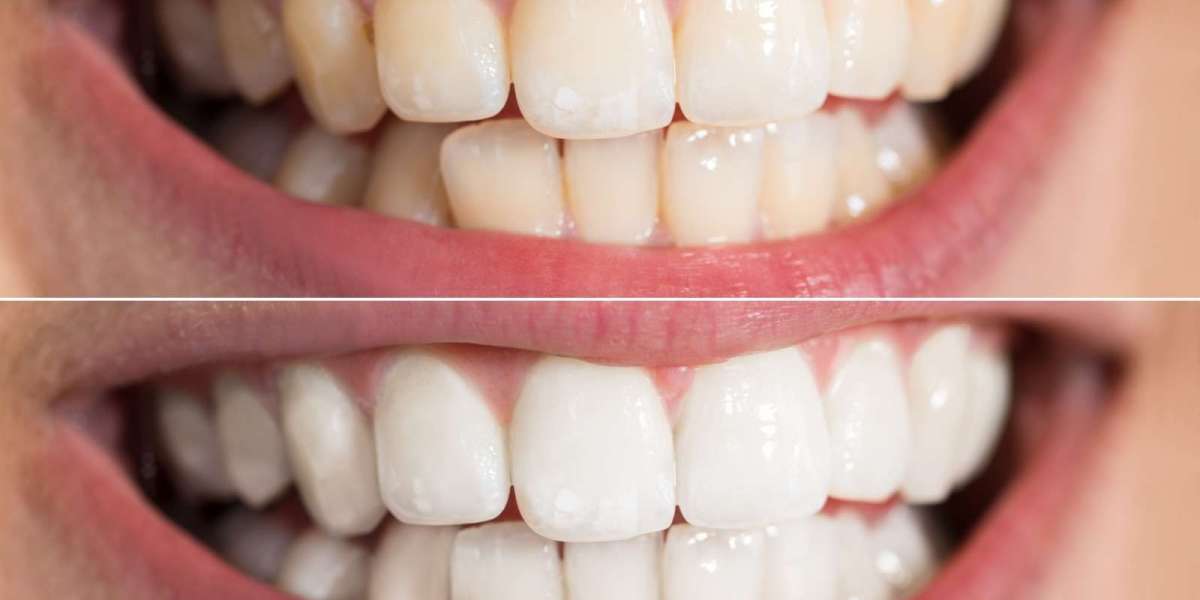

A brighter smile can improve your overall appearance and confidence. Teeth Whitening is a popular cosmetic treatment for reducing certain types of tooth discoloration and creating a cleaner-looking smile. Before choosing treatment, it is useful to understand how whitening works, what results to expect, and which factors can affect the outcome.
Tooth stains can develop from coffee, tea, tobacco, aging, certain foods, medications, or changes inside the tooth. Because different types of discoloration respond differently, identifying the cause is an important part of treatment planning.
A professional examination at a trusted dental clinic can help determine whether your teeth are suitable for whitening and whether any existing dental concerns should be addressed first.
How Does Teeth Whitening Work?
Whitening products contain active ingredients that interact with staining compounds in the tooth. This process can lighten certain types of discoloration and make natural teeth appear brighter.
The final result depends on your original tooth shade, type of staining, treatment method, and individual response.
Why Should You Have a Dental Assessment?
A dental examination allows your dentist to check for cavities, gum problems, enamel concerns, sensitivity, and existing restorations before whitening.
Treating untreated dental problems first can help create a healthier foundation for cosmetic treatment. Your dentist can also explain whether whitening is likely to achieve the result you want.
What Causes Yellow or Stained Teeth?
Daily habits can gradually change the appearance of teeth. Coffee, tea, cola, colored sauces, and other pigmented foods can contribute to surface stains.
Smoking and tobacco use can cause more noticeable discoloration. Aging can also make teeth look darker as enamel becomes thinner and the naturally darker dentin underneath becomes more visible.
Some stains develop within the tooth and may require a different cosmetic approach.
Types of Whitening Treatment
In-Office Whitening
In-office whitening is performed under professional supervision. The dentist applies the whitening product and controls the treatment according to your individual needs.
This can be a suitable choice for patients who prefer professional care and a structured treatment process.
Take-Home Whitening
Dentist-supervised take-home whitening allows you to brighten your teeth according to professional instructions. Custom trays may be provided for a more controlled application.
This option can be convenient for patients who prefer a gradual approach and greater flexibility.
Is Teeth Whitening Suitable for Everyone?
Whitening is primarily designed for natural teeth. Dental restorations such as veneers, crowns, bridges, and some fillings generally do not respond to whitening agents in the same way.
People with untreated cavities, gum disease, or significant sensitivity may need dental care before whitening. A dentist can assess your individual circumstances and recommend the most appropriate option.
What Should You Do Before Whitening?
Before treatment, maintain good oral hygiene and follow any preparation instructions provided by your dentist. Tell your dentist if you experience tooth sensitivity or have previously reacted to whitening products.
It is also useful to discuss your desired shade and expectations. Professional whitening does not necessarily make every smile extremely white, and realistic expectations are important.
Can Whitening Cause Sensitivity?
Some patients experience temporary sensitivity during or after whitening. The likelihood and intensity can vary depending on the treatment method and individual tooth sensitivity.
If sensitivity occurs, your dentist can provide guidance on how to manage it. Following professional instructions and avoiding unnecessary whitening treatments can help reduce potential discomfort.
How Long Do Results Last?
Whitening results are not permanent because teeth can gradually develop new stains. Lifestyle habits have a major influence on how long the brighter appearance remains.
Regular brushing, cleaning between teeth, professional dental care, and limiting staining foods and drinks can help maintain the results.
What About Existing Dental Restorations?
Whitening products primarily affect natural tooth structure. Existing crowns, veneers, bridges, and certain fillings may remain their original shade.
If visible restorations are present, discuss them with your dentist before treatment. This can help avoid noticeable differences between whitened natural teeth and existing dental work.
How to Maintain a Brighter Smile
Good oral hygiene is essential after treatment. Brush regularly, clean between your teeth, and attend routine dental examinations.
Drinking water after coffee, tea, or other staining beverages can help reduce prolonged contact with pigments. Avoiding tobacco can also support a healthier and brighter-looking smile.
Final Thoughts
Teeth Whitening can be an effective cosmetic option for improving certain types of natural tooth discoloration. Understanding the causes of staining, treatment options, possible sensitivity, and maintenance requirements can help you make an informed decision.
Before starting treatment, consult a qualified dentist for an assessment. Professional guidance can help ensure that your whitening plan is appropriate for your dental health and smile goals.