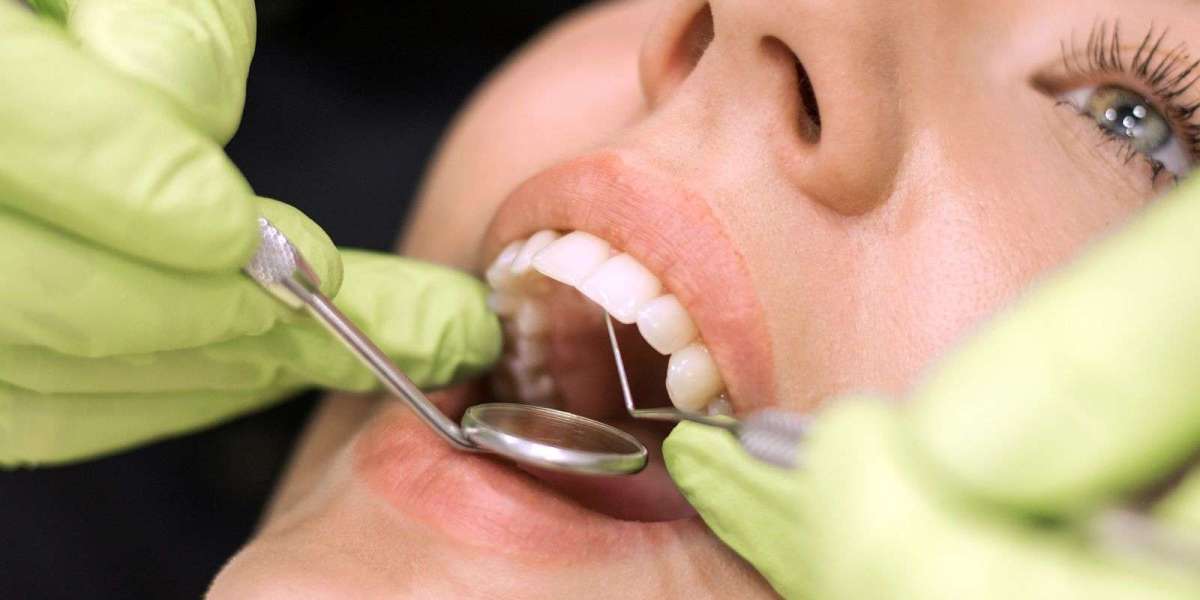

Tooth pain that does not go away can be a sign of a deeper dental problem. Root Canal Treatment is commonly used when infection or inflammation affects the pulp inside a tooth. The procedure focuses on removing the damaged tissue, cleaning the internal canals, and preserving the natural tooth whenever possible.
Deep decay, cracks, trauma, or repeated dental procedures can expose the inner part of a tooth to bacteria. If the problem is left untreated, infection may spread into the surrounding tissues and cause additional complications.
If you have persistent pain or sensitivity, an examination at a dental clinic in Dubai can help determine whether the problem requires root canal therapy or another form of dental treatment.
What Is Root Canal Treatment?
Root Canal Treatment is a procedure used to treat infection or inflammation within the pulp of a tooth. The pulp contains nerves and blood vessels and is located inside the tooth beneath the enamel and dentin.
During treatment, the dentist carefully removes the affected pulp, cleans the root canals, disinfects the internal space, and seals it. The tooth is then restored to help it function normally.
Why Does a Tooth Need Root Canal Therapy?
A tooth can become infected when bacteria reach the pulp. This commonly happens when untreated decay progresses deep into the tooth.
Other causes include dental cracks, fractures, physical trauma, and repeated procedures on the same tooth. In some cases, an old filling or restoration may also contribute to problems within the tooth.
Symptoms of an Infected Tooth
The symptoms of pulp infection can vary. Common signs include persistent toothache, sensitivity to hot or cold, pain while biting, swelling around the tooth, and tenderness in the gums.
A tooth may sometimes become darker in color. Some infections, however, can develop without obvious pain, which makes regular dental examinations important.
How Is Root Canal Treatment Performed?
Diagnosis and Examination
The dentist begins by examining the affected tooth and discussing your symptoms. Dental X-rays may be used to evaluate the roots and surrounding bone.
The diagnosis helps determine whether the pulp is infected or inflamed and whether the tooth can be restored.
Removing the Infected Pulp
After local anesthesia is administered, the dentist creates an opening to access the inner chamber of the tooth. The damaged pulp is then removed.
This step eliminates the infected tissue that is responsible for many symptoms.
Cleaning the Root Canals
The root canals are cleaned and shaped to remove bacteria, debris, and remaining infected material. The canals are carefully prepared for sealing.
Proper cleaning is an important part of reducing the possibility of persistent infection.
Sealing the Tooth
Once the canals have been cleaned, they are filled with a specialized material and sealed. This helps prevent bacteria from entering the treated area again.
Final Restoration
After the root canal procedure, the tooth may require a permanent filling or dental crown. The choice depends on the amount of remaining tooth structure and the tooth's location.
Is Root Canal Treatment Painful?
Many patients associate root canal therapy with severe pain, but modern dental techniques and local anesthesia are designed to make the procedure comfortable.
Some tenderness can occur after treatment as the surrounding tissues recover. If you experience significant or worsening pain, swelling, or other concerning symptoms, contact your dentist.
How Long Does Treatment Take?
The duration depends on the tooth and the complexity of the infection. Some teeth can be treated during one appointment, while more complicated cases may require additional visits.
Your dentist can explain the expected treatment schedule after examining the tooth.
What Happens After Treatment?
After root canal therapy, the treated tooth may feel tender for a short period. Your dentist may recommend specific instructions regarding eating, oral hygiene, and follow-up appointments.
A permanent restoration is important because the tooth may be more vulnerable to damage if a large amount of its original structure has been lost.
Why Is a Dental Crown Sometimes Recommended?
A crown can help protect a tooth that has been weakened by extensive decay or previous damage. This is particularly relevant for teeth that experience significant chewing pressure.
Your dentist will determine whether a crown or another restoration is appropriate based on the condition of the tooth.
Can Root Canal Treatment Save a Tooth?
In many cases, root canal therapy can help preserve a natural tooth that would otherwise require extraction. Keeping the natural tooth can support normal chewing and help maintain the existing bite.
However, the success of treatment depends on factors such as the extent of damage, remaining tooth structure, and condition of the surrounding tissues.
Root Canal Treatment or Tooth Extraction?
Extraction removes the tooth, while root canal therapy aims to retain it. If a tooth can be predictably restored, preserving the natural structure may be a suitable option.
When a tooth is severely damaged or cannot be restored, extraction may be recommended. Your dentist can discuss both options after diagnosis.
How to Care for Your Tooth After Treatment
Continue brushing twice daily and cleaning between your teeth. Avoid putting excessive pressure on a tooth that has temporary treatment or has not yet received its final restoration.
Regular dental examinations are also important for monitoring the treated tooth and maintaining overall oral health.
When Should You See a Dentist?
Do not ignore persistent toothache, swelling, sensitivity, or pain when chewing. These symptoms may indicate infection or another dental condition requiring professional attention.
Early diagnosis can help your dentist determine the appropriate treatment before the problem becomes more extensive.
Final Thoughts
Root Canal Treatment is designed to treat infection inside a tooth while helping preserve its natural structure. Understanding the symptoms, treatment stages, recovery, and restoration process can make the experience less stressful for patients.
If you are experiencing ongoing dental pain or sensitivity, consult a qualified dentist for an examination. The right treatment can address the underlying problem and help protect your oral health for the future.