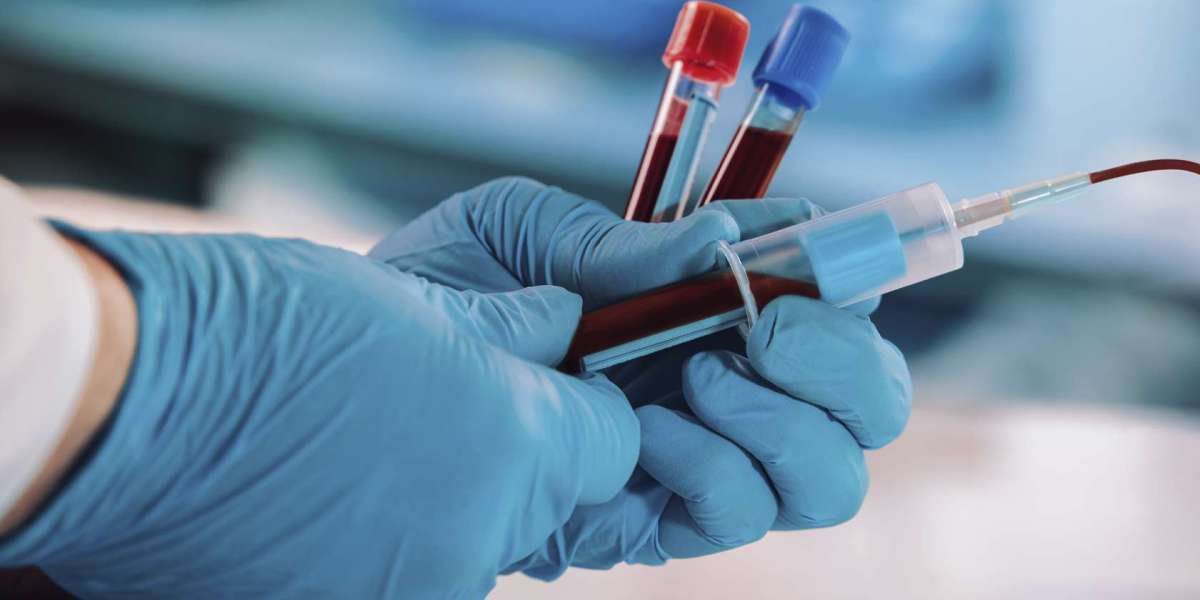

Preventive healthcare is about more than treating a problem after symptoms appear. It also involves understanding your health risks, identifying potentially important changes early, and making informed decisions about screening and lifestyle.
A Full Blood Test in Dubai can play a useful role in this process. In everyday language, the term may refer to a complete blood count (CBC) or full blood count (FBC). In other situations, people use "full blood test" to describe a broader group of laboratory tests that may include cholesterol, blood glucose, kidney function, liver markers, thyroid tests, and nutritional assessments.
The important point is that blood testing is not a universal health check that detects every condition. Its value comes from selecting appropriate tests based on your age, symptoms, medical history, medications, and risk factors.
What Preventive Blood Testing Is Designed to Do?
Preventive screening aims to identify health risks or abnormalities before they become more serious.
A blood test can sometimes reveal changes that are not yet causing noticeable symptoms. For example, testing may identify anemia, elevated blood glucose, abnormal cholesterol levels, or changes in kidney or liver markers.
Early detection does not always mean that treatment is immediately necessary. Sometimes the best next step is simply to repeat the test, monitor a trend, make lifestyle changes, or investigate the result further.
This is why preventive blood work should be viewed as a starting point for informed healthcare rather than a definitive measure of your overall health.
The Complete Blood Count: A Useful Starting Point
A complete blood count examines several major components of your blood.
It commonly includes:
- Red blood cell count
- Hemoglobin
- Hematocrit
- MCV
- MCH
- MCHC
- RDW
- White blood cell count
- White blood cell differential
- Platelet count
- Sometimes mean platelet volume
These measurements can provide useful information about blood cell production and function.
Red Blood Cells and Hemoglobin:
Red blood cells transport oxygen to tissues, while hemoglobin is the protein that carries the oxygen.
A low hemoglobin level may indicate anemia. Some people with mild or gradually developing anemia may have few symptoms, so a blood test can occasionally identify the problem before it becomes obvious.
The cause of anemia can vary. Iron deficiency, vitamin B12 deficiency, folate deficiency, blood loss, chronic disease, and other conditions may contribute.
A CBC can provide clues, but additional testing is often needed to determine the cause.
White Blood Cells and Platelets:
White blood cells are involved in immune defense. Changes in their number or distribution can occur with infections, inflammation, medications, and many other conditions.
Platelets help control bleeding and participate in blood clotting. Abnormal platelet levels can sometimes be discovered during testing before a person notices unusual bruising or bleeding.
Neither an abnormal WBC count nor an abnormal platelet count automatically establishes a diagnosis. Results need to be considered in context.
Blood Glucose: Finding Metabolic Changes Early
Blood glucose testing can be an important part of preventive health for adults who meet screening criteria.
A standard CBC does not measure blood sugar. Separate tests such as fasting blood glucose or HbA1c may be used to assess glucose regulation.
This matters because blood sugar abnormalities can develop without obvious symptoms.
If elevated blood glucose is identified, your healthcare professional can determine whether additional testing is needed and whether lifestyle changes or treatment should be considered.
Risk factors such as age, family history, weight, physical activity, and previous blood glucose results may influence screening recommendations.
Cholesterol and Cardiovascular Risk:
A lipid profile can provide information about cholesterol and triglycerides.
Common measurements include:
- Total cholesterol
- LDL cholesterol
- HDL cholesterol
- Triglycerides
These results can contribute to an assessment of cardiovascular risk.
However, cholesterol is not a complete measure of heart health. Blood pressure, smoking, diabetes, age, family history, physical activity, diet, and other factors also affect cardiovascular risk.
Regular screening can help identify an unfavorable lipid pattern early, giving you and your healthcare professional an opportunity to discuss risk reduction.
Depending on your overall risk, recommendations may include lifestyle changes, monitoring, or medication.
Kidney Function: A Marker Worth Monitoring
The kidneys filter waste products from the blood and perform several other essential functions.
Blood tests can assess kidney-related markers such as creatinine and estimated glomerular filtration rate.
Monitoring kidney function can be particularly important for people with diabetes, high blood pressure, cardiovascular disease, known kidney problems, or certain medication requirements.
A single abnormal kidney result does not necessarily mean that chronic kidney disease is present. Doctors may consider previous results, repeat testing, urine tests, blood pressure, and other information.
This is why trends over time can be more informative than one isolated result.
Liver Health Through Blood Testing:
Liver-related blood tests may be included in broader preventive health assessments when appropriate.
Depending on the testing panel, these can include ALT, AST, alkaline phosphatase, bilirubin, albumin, and other markers.
Abnormal liver enzymes can have many possible causes, including medications, metabolic conditions, infections, alcohol-related factors, and other health problems.
A blood test therefore does not provide a simple "healthy" or "unhealthy" liver score.
If a result is abnormal, your healthcare professional may review your medical history, medications, lifestyle, symptoms, and previous results before deciding whether additional testing is necessary.
Iron and Nutritional Status:
Preventive blood testing can sometimes help investigate nutritional concerns, particularly when there are symptoms or risk factors.
Iron deficiency can develop before significant anemia becomes obvious. Ferritin and other iron studies may be used to assess iron stores when deficiency is suspected.
Vitamin B12 and folate are important for normal red blood cell production. Specific tests may be considered when a person's symptoms, diet, medical history, or CBC findings suggest a potential deficiency.
Vitamin D requires a separate blood test and is not part of a standard CBC.
The appropriate nutritional tests depend on the individual. Testing every vitamin routinely is not necessarily useful or recommended.
Thyroid Testing Is Situation-Dependent:
Thyroid function affects metabolism, energy, heart rate, temperature regulation, and other body processes.
A CBC does not assess thyroid function.
When symptoms or risk factors suggest a possible thyroid disorder, a healthcare professional may request thyroid-stimulating hormone (TSH) and other thyroid tests when appropriate.
Symptoms such as fatigue, weight changes, changes in heart rate, and temperature sensitivity can have many causes. Testing should therefore be guided by the clinical situation rather than symptoms alone.
Why Regular Screening Can Be Valuable?
The biggest advantage of appropriate preventive testing is that it can create opportunities for early investigation and risk management.
Consider a person whose cholesterol gradually increases over several years. Comparing laboratory results may reveal a trend that encourages earlier attention to cardiovascular risk.
Similarly, repeated blood glucose measurements may show a developing problem, while ongoing CBC monitoring may reveal a gradual change in hemoglobin.
Regular testing is therefore most useful when it is purposeful and appropriately timed.
More frequent testing does not automatically provide better health protection.
Who Should Have Regular Blood Tests?
There is no single schedule that applies to every adult.
Testing frequency can depend on:
- Age
- Family history
- Existing medical conditions
- Medications
- Lifestyle factors
- Previous abnormal results
- Pregnancy or reproductive health
- Specific symptoms
- Individual disease risk
Someone with diabetes may need regular glucose and kidney monitoring. A person taking certain medications may need periodic CBC or liver testing. Someone with previous anemia may require repeat blood counts and iron studies.
Meanwhile, a healthy adult without symptoms or known risk factors may not need extensive blood testing at frequent intervals.
Your healthcare professional can recommend a screening schedule appropriate for your circumstances.
What a Full Blood Test Cannot Detect?
It is important not to overestimate what blood screening can do.
A normal blood test does not prove that you are completely healthy.
Some conditions require physical examination, imaging, urine tests, genetic testing, specialist assessment, or other diagnostic procedures.
A standard CBC also does not automatically screen for every type of cancer, vitamin deficiency, hormone disorder, or infection.
Preventive health therefore requires more than laboratory testing. Depending on your age and risk profile, it may also include blood pressure checks, recommended cancer screening, vaccinations, dental care, eye examinations, lifestyle assessment, and other preventive services.
How to Get More Value From Your Blood Test Results?
When you receive a laboratory report, resist the temptation to focus on one number.
First, check which tests were actually performed.
Next, look at the laboratory's reference ranges. These ranges can vary between laboratories and may be influenced by testing methods and individual characteristics.
Then consider the overall pattern.
For example, a low hemoglobin level may be more informative when considered with MCV, MCH, RDW, and iron studies.
Previous results are also valuable. A result that has remained stable for years may have a different significance from a new and rapidly changing abnormality.
If you are unsure about a result, ask the healthcare professional who ordered the test to explain its significance.
Should You Fast Before Preventive Blood Work?
It depends on the tests being performed.
A CBC alone generally does not require fasting. However, certain other tests may have specific preparation requirements.
If your appointment includes glucose, lipid testing, or other laboratory investigations, follow the instructions provided by your healthcare professional or laboratory.
Do not stop prescribed medication unless you are specifically instructed to do so.
When Should You Seek Medical Advice?
Preventive screening is not a replacement for medical care when symptoms are already present.
Speak with a healthcare professional if you have persistent fatigue, unexplained weight loss, recurrent infections, unusual bleeding, significant bruising, ongoing weakness, persistent fever, or another unexplained health change.
If you receive abnormal blood test results, ask what they mean and whether repeat or additional testing is necessary.
Do not start high-dose supplements or medications based solely on a laboratory result without professional guidance.
The Bottom Line:
A full blood Lab tests for preventive health can be a valuable part of a broader healthcare strategy. A CBC can provide information about red blood cells, hemoglobin, white blood cells, and platelets, while additional blood tests can assess glucose, cholesterol, kidney function, liver-related markers, thyroid function, iron status, and selected nutritional markers.
Regular screening may help identify certain abnormalities before they cause noticeable symptoms and can create an opportunity to investigate health risks earlier.
But preventive blood testing works best when it is personalized. Not every adult needs the same tests or the same testing frequency.
The goal should not be to order the largest possible blood panel. Instead, work with a qualified healthcare professional to determine which tests are appropriate for your age, medical history, symptoms, medications, and risk factors.
Used this way, blood testing can provide meaningful information that supports better-informed decisions about your long-term health.
Medical disclaimer: This article is for general educational purposes only and does not replace professional medical advice, diagnosis, or treatment. Screening recommendations and blood test frequency vary according to individual circumstances and applicable clinical guidance.