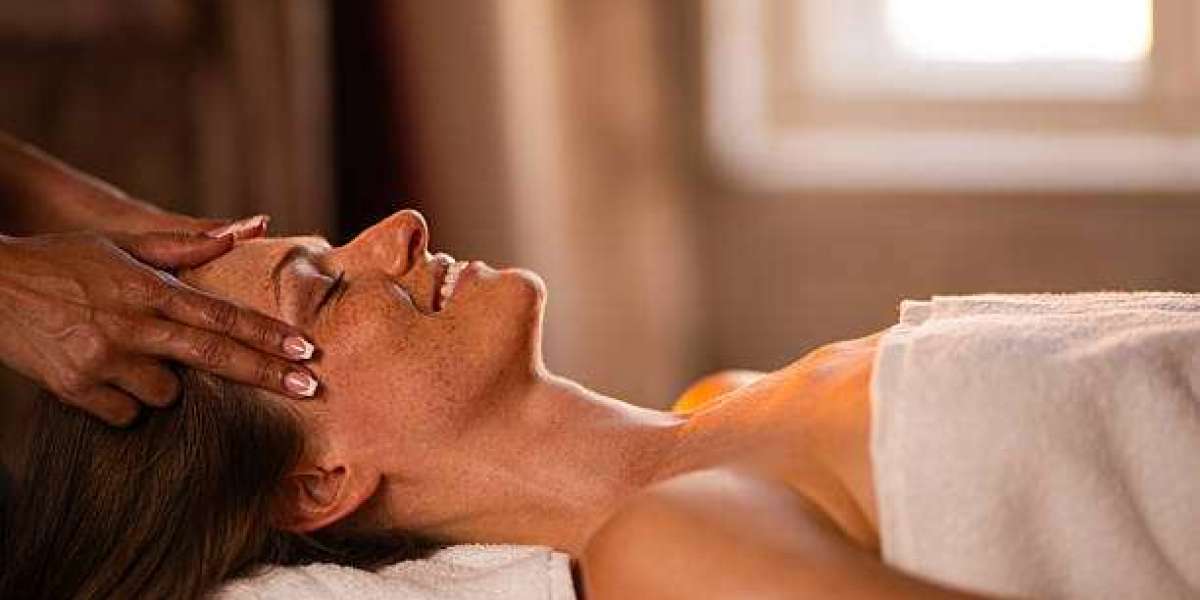

A lot of people think about booking a spa day for months before they actually do it. The uncertainty is real. You don't know what to wear, what to expect, or whether your skin will freak out afterward. That hesitation is pretty common, and honestly, it makes sense if nobody's walked you through the process. If you're considering a Day Spa in San Diego, CA, this article will break down exactly what happens to your skin from the moment you check in to the hours after you leave, so there are no surprises.
The short version: a full day spa visit is structured, sequential, and designed to build on itself. Each treatment prepares your skin for the next one. Get that part right, and the results last a lot longer than a single afternoon.
How a Full Day Spa Visit Is Actually Structured
Most spas start with a short consultation. It's not a sales pitch. They're asking about your skin type, any sensitivities, medications, and what you're hoping to get out of the day. That information shapes everything that follows. Skipping or rushing this part is a mistake.
After the consult, you'll usually change into a robe and move through a loose sequence: something to open the pores and cleanse, then body treatments, then more targeted facial work, and rest periods in between. The rest periods aren't filler. Your body actually needs time to process what's happening, especially if heat or exfoliation is involved. Expect quiet rooms, warm lighting, maybe a cup of herbal tea. Not glamorous to describe, but genuinely useful.
Checkout usually includes a quick check-in from your esthetician about what to expect over the next day or two, plus product recommendations. You don't have to buy anything. But listening to those aftercare notes is worth your time.
What Common Treatments Actually Do to Your Skin
Facials
A facial isn't just a face massage with nice-smelling stuff. The cleansing step removes surface debris and excess oil, which lets whatever comes next actually absorb. Then exfoliation, either chemical or manual, loosens dead skin cells sitting on top. Your skin can't properly use serums or moisturizers when it's covered in a layer of dead cells. Extraction, if included, clears out clogged pores. And the mask step feeds the skin with concentrated actives while your face is in a calm, clean state to receive them.
At a biological level, good exfoliation speeds up cell turnover. Your skin is always shedding and replacing cells, but that process slows down as you age. A well-done facial gives it a push. You can read more about how skin exfoliation works if you want the science behind it. The short version is: remove the old stuff, and the new stuff looks better.
Massages
Massage does more than relax your muscles. It increases circulation in the skin, which brings oxygen and nutrients closer to the surface. That's part of why people look flushed and bright right after. It also moves lymphatic fluid, which reduces puffiness. Don't underestimate that part. Facial puffiness in particular responds well to lymphatic drainage techniques, and you'll often notice your face looks more defined after a good massage.
Body Wraps
Body wraps are probably the most mysterious treatment for first-timers. You're coated in something, usually a mix of minerals, clay, seaweed, or botanicals, and then wrapped up for anywhere from 20 to 45 minutes. The heat causes light sweating, which opens pores and helps the ingredients absorb. Hydration is the main goal for most wraps. Some also aim to reduce the appearance of uneven skin texture. Results are real but temporary unless you're consistent.
Why the Order of Treatments Matters
This is the part most first-timers don't think about. Sequence matters a lot. You wouldn't apply a thick moisturizer before a scrub, because the scrub would just remove it. Same logic applies across a full day of services.
Heat-based treatments like steam or a warm body wrap come early because they open pores and prep skin to absorb more. Exfoliation follows, clearing the path. Then active treatments like masks, serums, or specialty wraps do their work on skin that's actually ready to receive them. Massage is often placed strategically to boost circulation right before or after a nutrient-rich treatment. When spas skip around or rush the order, the results drop noticeably. A good spa doesn't rush.
If you're looking for the best day spa near San Diego, CA, pay attention to whether they explain their treatment order to you before you start. That transparency usually signals they know what they're doing and why.
How Your Skin Behaves After You Leave
Expect some redness. It's normal. Exfoliation and massage both increase blood flow, and your skin may look pink for a few hours. That's not damage. It settles down, usually within two to four hours. Some people panic at this and immediately apply heavy products, which is the wrong move.
The glow people talk about after a spa day is real and has a real cause. Fresh skin cells are at the surface, circulation is up, and hydration levels are higher than usual. Your skin is genuinely in a better state, not just pampered. That said, it's also more sensitive than normal. Avoid direct sun, harsh cleansers, or anything with strong active ingredients like retinol for at least 24 hours. Give it a chance to settle.
Some people experience minor breakouts one or two days after a facial, especially if extractions were done. That's not the facial failing. It's congestion that was already under the skin getting pushed up and out. It passes. Bonnie Cruz Esthetics is one place where estheticians will walk you through exactly what to watch for after your specific treatments, which takes a lot of the guesswork out of it.
How to Prepare Before You Go
Don't exfoliate at home the day before. Seriously. Your esthetician needs to assess your skin as it actually is, and pre-treating at home can cause irritation when layered with spa exfoliation. Arrive with clean skin if you can, or at least without heavy makeup. Drink water before and after. That's not just spa-speak. Hydrated skin responds better to treatments and recovers faster.
Wear or bring loose, comfortable clothing. Tight waistbands after a body wrap are uncomfortable. Let your esthetician know about any allergies, active breakouts, sunburn, or recent cosmetic procedures before they start. That conversation protects your skin and helps them customize the day for you.
If you're visiting a Day Spa in San Diego, CA for the first time, book a half-day package before committing to a full day. It lets you get a feel for the environment and the esthetician's style without overdoing it. And for finding the best day spa near San Diego, CA, check recent reviews that specifically mention how staff handle first-timers. That detail tells you a lot.
Frequently Asked Questions
Will my skin look worse before it looks better after a facial?
Sometimes, yes. If you had extractions, a few small breakouts in the day or two after are pretty normal. It's congestion clearing out, not a reaction to the products. It usually resolves within 48 to 72 hours.
How long do the results from a spa day actually last?
That depends on the treatments and your home routine. A good facial can keep your skin looking better for two to four weeks. Body wrap results tend to be shorter-lived, maybe a week, unless you keep up with hydration at home.
Can I wear makeup to a spa?
You can walk in wearing it, but most spas will remove it as part of the facial process. It's easier to arrive with a clean face if you can. Skip the full face of foundation and just go in comfortable.
Is there anything I should avoid eating or drinking before a spa visit?
Heavy meals right before body treatments can make lying down uncomfortable. Alcohol before a massage isn't a great idea either, since it affects circulation and dehydrates you. Stick to water and a light snack and you'll be fine.
How often should I visit a day spa to see real skin improvement?
Monthly facials are what most estheticians recommend for steady skin improvement. That roughly matches your skin's natural cell turnover cycle. More frequent visits can help for specific concerns, but once a month is a solid baseline for most people.
The more you know going in, the more relaxed you'll be, and honestly, relaxed skin responds better too. Prep a little, communicate with your esthetician, and don't skip the aftercare notes on your way out.