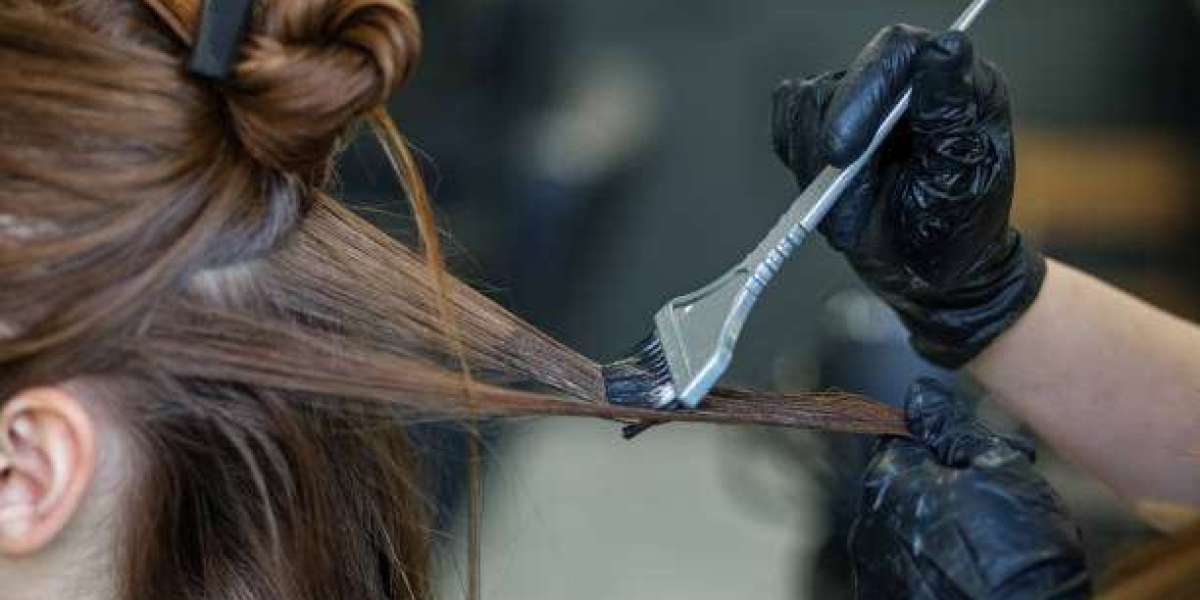

You just left the salon. Color looked perfect. Three weeks later it's dull, brassy, or just... gone. Sound familiar? Most people blame the product, but the truth is usually messier than that. Fading happens for a bunch of different reasons, and a lot of them have nothing to do with how good the dye was. If you're trying to figure out what went wrong, a good Hair Color Specialist in Jacksonville, NC can pinpoint the exact issue pretty quickly. But you can also learn to read the signs yourself. This article walks through the five most common culprits, from your water to your shampoo to how you're styling your hair every morning.
Your Cuticle Is the First Place to Look
Think of the hair cuticle like roof shingles. When they're lying flat and tight, they lock everything inside, including color molecules. When they're lifted or damaged, those molecules slip right out with every rinse. That's the core of the problem for most people who see fast fade. Bleach, heat, and chemical processing all lift the cuticle, and if it doesn't close back down properly after your color service, you're basically watching your investment wash down the drain over the next few weeks.
A good colorist will use an acidic rinse or a bonding treatment after coloring to help push the cuticle back down. Not every salon does this. If yours skipped it, that's likely a big part of why you're fading so fast. Damaged hair, the kind that's been over-processed or heat-styled for years, has a cuticle that barely closes even under ideal conditions. That type of hair almost always needs a bond-building product applied at the time of color, not after the fact.
You can check your own cuticle health by doing a simple strand test. Wet a single strand and run your fingers up the shaft toward the root. If it feels rough or catches, your cuticle is raised. Smooth means it's lying flat. Pretty telling, honestly.
Hard Water Is Quietly Wrecking Your Color
Most people never think about their water. They should. Hard water is loaded with calcium and magnesium minerals that coat the hair shaft with every shower, and that coating does two nasty things: it prevents color from absorbing evenly during a service, and it slowly strips pigment out of already-colored hair over time. Jacksonville and the surrounding areas have varying water hardness depending on the source, so it's worth actually testing yours.
The EPA's drinking water resources have general information on water quality, but your local water report will tell you the specifics. If your water is hard, a shower filter or a clarifying rinse made for mineral buildup can make a real difference. Chelating shampoos are designed exactly for this. Use one once a week before your regular color-safe wash and you'll likely notice your color holding longer.
Mineral buildup also causes brassiness to surface faster than it otherwise would. If your blonde keeps going orange or your brunette looks weirdly warm within two weeks of a color appointment, hard water is one of the first things to rule out.
The Wrong Shampoo Does More Damage Than You Think
Sulfates are cleaning agents. Strong ones. They're in most drugstore shampoos because they produce that satisfying later people associate with "clean." But sulfates don't know the difference between dirt and color molecules, so they strip both with equal enthusiasm. Using a sulfate-heavy shampoo on freshly colored hair is basically pressure-washing a watercolor painting.
Switch to a sulfate-free formula made specifically for color-treated hair. That's the baseline. Beyond that, try to wait at least 48 to 72 hours after your color service before you wash at all. The color is still settling into the hair shaft during that window, and washing too early interrupts that process. A lot of people don't know this part. It's one of those small things that makes a surprisingly big difference.
Water temperature matters too. Hot water opens the cuticle, which lets pigment escape faster. Cold or lukewarm water keeps things tighter. Nobody loves a cold rinse, but even finishing with 30 seconds of cooler water helps. Small habits add up over weeks of washing.
Skipping a Toner or Gloss Is a Bigger Deal Than It Seems
Toners and glosses aren't just for shine. They deposit a semi-permanent pigment layer on top of the hair that serves as a buffer. It's the first thing that fades, which is exactly the point. It sacrifices itself so your base color underneath holds longer. Skip it, and your base color is the first thing taking the hit from every wash, every heat tool, every day in the sun.
If you're getting Hair Color Services in Jacksonville, NC and your colorist isn't mentioning a toner or gloss as part of the process, it's worth asking about. Some salons charge for it separately. Some include it. Either way, it's usually worth the extra cost, especially if you've had issues with fast fade before. Toners typically last four to eight weeks, and that window lines up nicely with most people's touch-up schedule.
At-home glosses are also an option between appointments. Brands like Redken and Joico make decent ones. They won't replace a professional toner, but they'll buy you another week or two of vibrancy if you apply them correctly.
Heat Styling Without Protection Opens the Door to Fade
Every time you run a flat iron or curling wand over your hair without a thermal protectant, you're prying the cuticle open with heat. Color molecules escape. Moisture escapes. And the underlying pigment that was supposed to stay hidden starts surfacing as brassiness or dullness. It happens slowly, then all at once.
Thermal protectants aren't all equal. A light spray that evaporates in five seconds isn't doing much. Look for ones with heat protection rated to at least 450 degrees Fahrenheit, especially if you use a flat iron regularly. Apply it to damp hair before you blow dry, and again before any direct heat tool. That extra step takes maybe 20 seconds and it genuinely extends color life. If you're getting Hair Color Services in Jacksonville, NC regularly and still seeing fast fade, this is one of the first things your stylist will ask you about.
Reducing heat styling frequency helps too. Air drying a few days a week, or using heatless curl methods, gives your hair time to recover. God Of Fadez is one of the places people in the area go for color work and aftercare guidance, and heat damage is something they address as part of the overall service. Worth knowing your options before your next appointment.
Frequently Asked Questions
How long should hair color realistically last?
Permanent color, done well and properly maintained, should hold for four to six weeks before a touch-up is needed. Semi-permanent color fades faster, usually two to four weeks. If yours is gone in under two weeks, something in the process or aftercare is off.
Does sun exposure speed up color fade?
Yes, a lot. UV rays break down color molecules the same way they bleach fabric left in sunlight. Wearing a hat or using a UV-protectant hair product on sunny days makes a real difference, especially for reds and blondes, which are the most vulnerable shades.
Can I fix fast-fading color at home between appointments?
To a point. Color-depositing conditioners and at-home glosses can refresh tone between visits. But if the root cause is cuticle damage or hard water, those fixes are temporary. You'll need to address the underlying issue to see lasting improvement.
Is it better to color hair at a salon or at home if I'm dealing with fast fade?
Professional color is almost always more reliable. A Hair Color Specialist in Jacksonville, NC can assess your hair's condition before starting, choose the right formula for your specific hair type, and use bonding treatments that box dye kits don't include. Home color can work fine for maintenance, but it's harder to control when things are already going wrong.
Why does my hair color look great right after the appointment but fade within days?
That's usually a cuticle or toner issue. The toner applied at the appointment gives immediate vibrancy, but if it wasn't the right formula or wasn't sealed properly, it rinses out fast. It can also happen if you washed your hair too soon after coloring, before the pigment had time to fully set.