
Dealing with a mole that bothers you—whether for cosmetic reasons or due to concerns about changes in its appearance—can be a source of daily stress. Many people in Dubai are looking for a safe and reliable solution. If you are considering mole removal in Dubai, it’s natural to have questions about the process, the potential for scarring, and the level of discomfort involved. This guide aims to provide you with comprehensive, expert-driven information to help you make an informed decision. We will explore the different techniques available, what the recovery journey truly looks like, and the essential factors to consider for a safe experience.
Understanding Your Moles and Why Removal Might Be Necessary
Before deciding on any course of action, it’s important to understand what a mole is and why you might want to have it removed. Moles, or nevi, are common skin growths that appear when melanocytes, the cells that produce skin pigment, grow in clusters. They can appear anywhere on the skin, alone or in groups, and are usually brown or black.
Common Reasons for Seeking Mole Removal
People consider mole removal for a variety of reasons, which generally fall into two main categories: medical and cosmetic.
Cosmetic Concerns: A mole might be located on a highly visible area like your face, neck, or hands, affecting your self-confidence. Some people simply dislike the appearance of a mole or find it makes them look older.
Physical Irritation: Moles that rub against clothing, jewelry, or a razor can become irritated, bleed, or cause discomfort. This is a common reason for removal, especially for moles on the back or underarms.
Changes in Appearance: If a mole starts to change in size, shape, color, or begins to itch or bleed, it’s a critical reason to have it examined by a professional. While these signs can be due to harmless causes, they can also be indicators of skin cancer.
Preventative Health: In some cases, a dermatologist might recommend removing a mole if it shows atypical features during a skin check, even if it's currently benign. This is a proactive measure to prevent potential future issues.
It is crucial to emphasize that any decision regarding a mole should be preceded by a professional consultation. A qualified dermatologist can assess the mole's characteristics using a dermatoscope, a tool that provides a magnified, detailed view of the skin’s layers, to determine the nature of the growth and recommend the safest removal method.
Exploring Professional Mole Removal in Dubai: The Available Methods
When you decide to proceed with treatment, it’s important to know that there are different techniques a clinic might offer. The best option for you will depend on the mole's type, size, depth, and location on your body, as well as your personal goals regarding scar appearance. A consultation with a skilled professional is the only way to determine the most suitable approach.
Surgical Excision
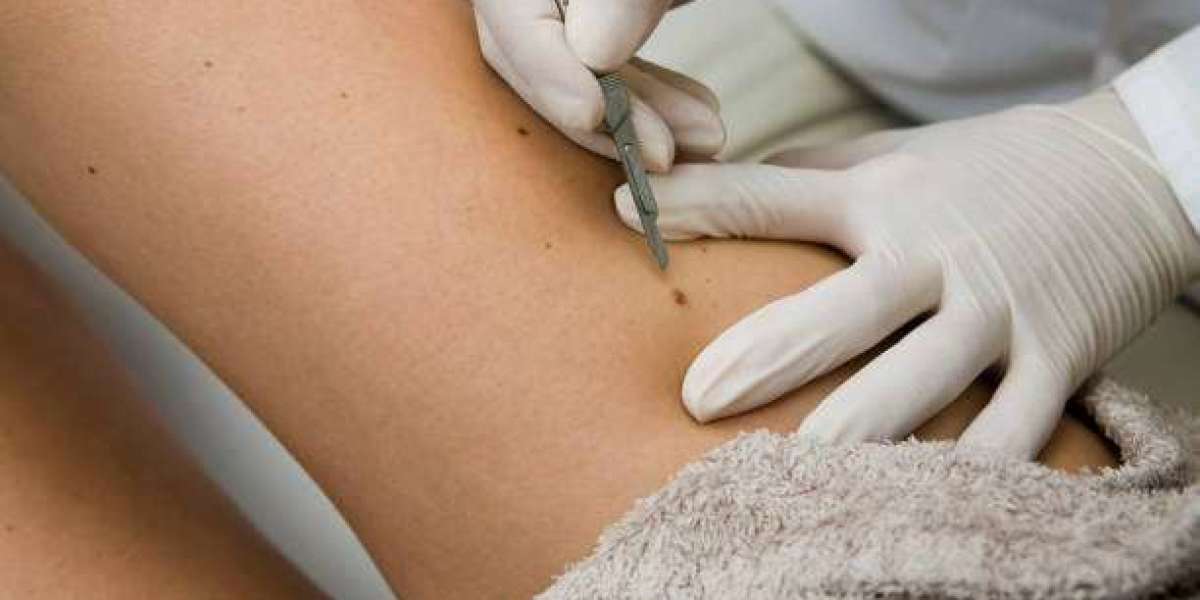
Surgical excision is a common method for removing moles. This procedure is typically used for deeper moles or those that a doctor wants to send for biopsy.
The Procedure: The doctor will clean the area and numb it with a local anesthetic to ensure a pain-free experience. They will then use a surgical blade to carefully cut out the entire mole, along with a small margin of healthy skin around it.
Why It’s Used: This method is preferred when there is a need to examine the entire mole under a microscope to confirm it is benign. It’s also effective for removing deeper moles that are more than skin-deep.
Closure: The wound is usually closed with stitches (sutures). The type of sutures used and the technique will influence the healing process and the eventual scar.
Shave Excision
Shave excision is often the preferred method for smaller, raised moles that are entirely above the skin's surface and are removed for cosmetic reasons.
The Procedure: After numbing the area, the doctor uses a special, small blade to shave the mole off at the level of the surrounding skin. It is a quick procedure and leaves a flat surface.
Why It’s Used: This technique is less invasive than surgical excision and typically doesn't require stitches. It offers a quicker recovery and often results in a less noticeable scar.
The Result: The area will heal as a flat, pinkish patch that usually fades over time. In rare cases, the mole may regrow if some cells remain at the base.
Laser Mole Removal
Laser therapy is a popular, non-invasive option. It can be an effective method for removing certain types of moles, particularly those that are small, flat, and dark in color.
The Procedure: The doctor uses a targeted laser beam to break down the pigment cells in the mole. The body then naturally clears away these pigment fragments over time.
Why It’s Used: This method is often chosen for its precision and minimal impact on the surrounding skin. It is also a great option for patients who are concerned about scarring or who may have a bleeding disorder.
Limitations: It is important to note that laser removal may not be suitable for all moles. For example, it is generally not recommended for moles that need to be biopsied, as it destroys the tissue sample. It can also be less effective for deeper or protruding moles.
The Importance of Biopsy in the Removal Process
A fundamental part of safe mole removal is the decision of whether or not to perform a biopsy. A biopsy is a medical test where a sample of tissue or cells is sent to a lab to be examined under a microscope by a pathologist.
When is a Biopsy Necessary? If a mole has any irregular or suspicious features—such as an asymmetrical shape, uneven borders, or multiple colors—your doctor will likely recommend a biopsy.
Why It’s Critical: This is the only definitive way to diagnose skin cancer. If a mole is atypical or potentially cancerous, a shave or laser removal could be insufficient, as they might not remove the entire lesion or allow for a proper microscopic examination. Surgical excision with a biopsy is the gold standard for suspicious moles.
What to Expect: The Realities of Recovery and Downtime
One of the most common questions patients have is about the recovery process. Understanding what to expect can help you plan and feel more at ease during your healing journey. Recovery experiences vary based on the type of removal and the patient's individual healing rate.
Immediate Post-Procedure Period
Right after the procedure, you can expect a few standard things:
Local Anesthesia: The area will be numb for a few hours.
Dressing: Your doctor will apply a bandage or dressing to protect the wound. You will receive specific instructions on how to care for it, including when to change the dressing and how to keep the area clean.
Mild Discomfort: As the anesthesia wears off, you might experience some mild soreness or tenderness, which can be managed with over-the-counter pain medication as recommended.
The Healing Timeline
First Week (0-7 Days): If you have stitches, they will likely remain in place for about 7 to 14 days. It is crucial to keep the area clean and dry to prevent infection. For a shave removal, a scab will form over the site. It is essential to not pick at the scab, as this can increase the risk of infection and scarring.
Second Week Onward: The wound will begin to heal. Swelling and redness should start to subside. You might notice some itching, which is a normal sign of healing.
Long-Term Scarring: The final result will take time. The scar from a mole removal will be more noticeable in the first few months, appearing pink or red. Over a year or more, the scar will typically soften and fade to a color closer to your natural skin tone. Protecting the healing area from the sun is paramount, as sun exposure can cause the scar to darken and become more prominent.
Managing Discomfort and Sensations
Patients often ask about what the procedure and recovery feel like.
During the Procedure: You should not feel any sharp pain due to the local anesthetic. You might feel a slight pinch from the injection and then some pressure or pulling sensations as the mole is removed, but this is not painful.
After the Procedure: The discomfort is often described as a mild burning, aching, or soreness. It is generally well-managed with simple pain relief.
Comfort Measures: Applying a cold pack (wrapped in a cloth) to the area for the first 24 hours can help reduce swelling and discomfort. It is also important to avoid strenuous activity and heavy lifting for the first few days to prevent bleeding or stress on the wound.
Essential Safety Considerations and Contraindications
While mole removal is a safe and common procedure, it is not suitable for everyone. A responsible clinic and practitioner will always conduct a thorough medical history and physical examination to ensure you are a good candidate for treatment.
Who is an Ideal Candidate?
Good General Health: You should be in good overall health with no uncontrolled medical conditions.
Realistic Expectations: You understand the procedure, the recovery process, and the outcome, including the possibility of a scar.
No Active Skin Infections: You do not have an active infection or a skin condition like eczema or psoriasis in the area being treated.
Clear Medical History: You are open and honest about your medical history, including any medications you take.
Who Should Proceed with Caution or Avoid Treatment?
Those with a History of Keloids: If you have a tendency to form keloid or hypertrophic scars (thick, raised scars that extend beyond the original wound), you should discuss this thoroughly with your doctor. They may be able to use specific techniques to minimize this risk.
Patients with Bleeding Disorders: Individuals with bleeding disorders or those taking blood-thinning medications (like aspirin or warfarin) need to inform their doctor. The procedure may need to be adjusted, or you may be advised to temporarily stop these medications.
Diabetic Patients: Diabetes can affect wound healing. If you have diabetes, especially if it is not well-controlled, you need to be careful. Your doctor will need to take extra precautions to ensure proper healing and reduce the risk of infection.
Pregnant or Breastfeeding Women: While mole removal is generally safe, it is often recommended to postpone non-essential cosmetic procedures until after pregnancy or breastfeeding, as hormonal changes can affect the skin and its ability to heal.
A Note on “At-Home” Mole Removal Kits
It is absolutely critical to warn against using DIY mole removal creams, pens, or other over-the-counter solutions. These products are unregulated, often contain harsh acids or other irritating chemicals, and can cause severe skin damage, burns, scarring, and even infection. Furthermore, they remove the visual sign of the mole without providing a proper biopsy, which could be hiding a more serious condition. Mole removal is a medical procedure that requires the expertise of a licensed professional.
Answering Your Key Questions: A Recap
To consolidate the key information, let’s revisit the most pressing questions patients often have.
How long does the procedure take?
The procedure itself is very short, usually lasting between 10 to 30 minutes, depending on the complexity of the mole and the technique used.
Will there be a scar?
Yes, any procedure that cuts or burns the skin will leave some form of scar. However, an experienced practitioner will use techniques to minimize its appearance, placing incisions along natural skin tension lines where possible. The size and visibility of the scar will depend on several factors, including the mole's size, your skin type, and how well you care for the wound during healing.
How can I minimize scarring?
Following your doctor's aftercare instructions is crucial. This includes keeping the wound clean, avoiding sun exposure, and using recommended creams or silicone gel sheets to help the scar heal and flatten. Be patient, as full scar maturation can take up to a year or more.
Is the procedure painful?
No, the procedure itself should not be painful due to the local anesthetic. Some patients report feeling a slight sting from the initial injection of the anesthetic, but that subsides very quickly. The recovery discomfort is generally mild and manageable.
When can I see the final result?
While the wound may heal in a few weeks, the final cosmetic result—the appearance of the scar—can take up to a year to settle. It is a process, and the scar will continue to fade and improve over that time.
Frequently Asked Questions
1. What is the difference between a mole and a skin tag?
Moles are usually brown or black growths made of pigment cells, while skin tags are small, soft, flesh-colored growths that hang off the skin on a stalk. They are treated differently and require different removal techniques.
2. Can all moles be removed with laser treatment?
No. Laser removal is best for flat, small, and dark moles that are purely cosmetic. Moles that are raised, large, or have suspicious features usually require surgical excision to allow for a biopsy.
3. Will my health insurance cover the cost of mole removal?
Insurance typically covers mole removal if it is deemed medically necessary, such as for the removal of a suspicious mole or one that is causing physical irritation. Cosmetic removal is usually not covered.
4. How many sessions will I need?
Most moles can be removed in a single session, whether by excision or shave. Laser removal for benign, flat moles may sometimes require more than one session to achieve the desired result, depending on the depth of the pigment.
5. When can I wash the area after the procedure?
You should follow your doctor's specific aftercare instructions. Usually, you will be advised to keep the area dry for the first 24-48 hours. After that, you can gently clean it with mild soap and water, patting it dry carefully.
6. What should I do if I notice redness or swelling after the procedure?
Some redness and swelling are normal. However, if it becomes excessive, is accompanied by pain, heat, or pus, it could be a sign of infection. You should contact your clinic immediately.
7. Can I remove a mole myself at home?
Absolutely not. Attempting to remove a mole at home is highly dangerous and strongly discouraged. It can lead to infection, severe scarring, and misdiagnosis of a potentially cancerous lesion. Always seek professional medical help.
8. What if a mole is in a place I can't see easily, like my back?
If you have a mole on your back that you are concerned about, it is essential to have it checked by a professional who can examine it properly. They can also help monitor it over time for any changes.
Your Path to Clearer Skin with Tajmeels Clinic
Deciding on mole removal in Dubai is a personal choice that can significantly enhance your comfort and confidence. Armed with the right information about the procedures, recovery, and safety, you can approach the decision with clarity. Remember that the first and most critical step is to consult with a qualified and experienced professional who can assess your unique situation and guide you toward the best possible outcome. If you are ready to explore your options with a team that prioritizes patient care, safety, and exceptional results, consider reaching out to Tajmeels Clinic. Our experts are dedicated to providing a supportive and expert environment to help you achieve your aesthetic and health goals.