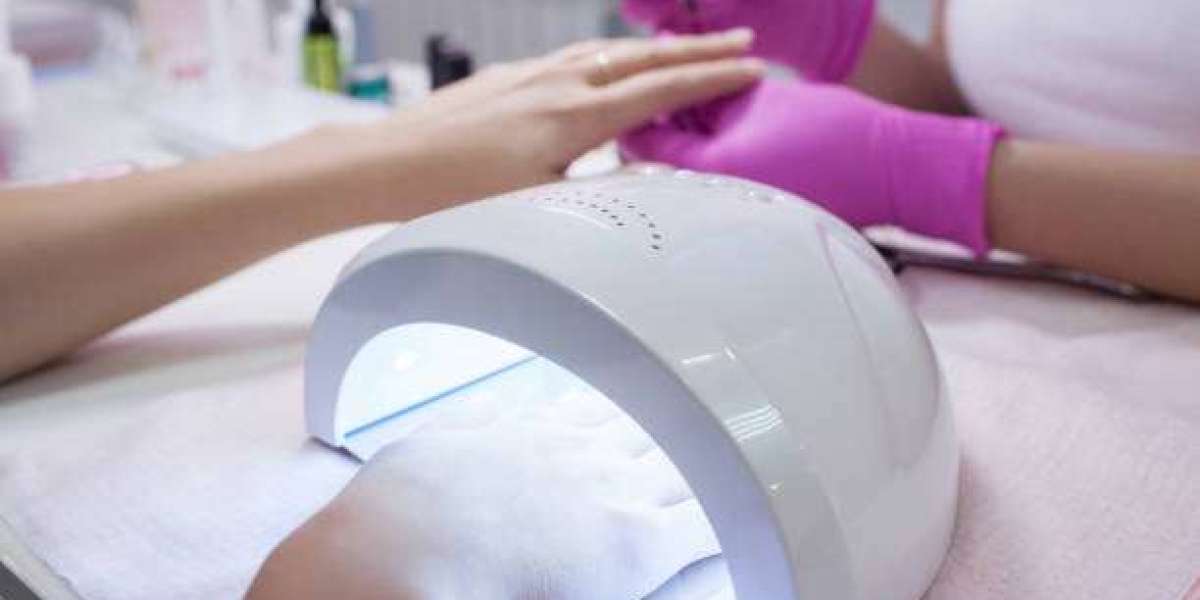

You just walked out of the salon feeling great, and three days later there's a chip on your ring finger. Frustrating, right? A lot of people don't know what "normal" actually looks like for a manicure, so they can't tell if something went wrong or if their nails just needed better aftercare. The honest answer is that lifespan varies a lot depending on the type of polish, your daily habits, and how well your nails were prepped before the color even touched them. If you're getting a Manicure in Mandeville, LA or anywhere else, this breakdown will tell you exactly what to expect and what to watch for.
Regular Polish vs. Gel vs. Dip Powder
Regular nail polish is the shortest-lived option. Most people get about five to seven days out of it before chipping starts. That's not a failure. That's just how the product works, because regular polish doesn't bond to the nail the same way harder formulas do. If yours lasts ten days without a chip, honestly, that's a win.
Gel manicures are a different story. A well-applied gel should hold for two to three weeks with minimal chipping or lifting. The curing process under UV or LED light is what makes it stick. But "well-applied" is the key phrase there. Skip proper prep or rush the curing time and you'll see peeling within the first week.
Dip powder sits somewhere between gel and acrylic in terms of durability. Most people get three to four weeks out of it. Sometimes longer. It's thicker than gel, which makes it more chip-resistant, but it can still lift at the edges if the base coat wasn't applied carefully or if your nails were oily at the time of application.
What Nail Prep Actually Does
This part gets skipped over a lot, and it really shouldn't be. Prep is probably the single biggest factor in how long any manicure holds. Good prep means the nail plate is clean, lightly buffed, free of oil, and properly primed before any product goes on. Skip even one of those steps and you're already shortening the lifespan.
Oil is the main enemy. Your nails produce natural oils, and if those aren't removed before application, the polish or gel simply won't bond as tightly. Most quality salons use a dehydrator or alcohol wipe right before applying base coat. It sounds like a small thing. It makes a real difference.
Cuticle work also matters more than people realize. Pushing back or removing excess cuticle tissue keeps product from being applied too close to the skin, which is one of the most common reasons gel lifts at the base within the first few days. Nail anatomy plays a direct role in how polish adheres, and techs who understand that do better work.
Daily Habits That Quietly Wreck Your Nails
Hot water is a big one. Repeated exposure, like doing dishes without gloves or taking long hot showers right after a fresh set, causes the nail plate to expand and contract. That movement breaks down the bond between the nail and the polish over time. It's not dramatic. It's slow, and then suddenly you've got a lifted edge.
Cleaning products are another quiet culprit. Bleach, dish soap, and bathroom cleaners are harsh enough to strip the top coat and dry out the nail bed. Gloves fix this almost entirely, but most people skip them. Also worth mentioning: picking at your nails, or using them as tools to open packages or scratch off stickers, chips polish faster than almost anything else.
Nail biting is obvious, but so is typing style. People who type with the pads of their fingers tend to have longer-lasting manicures than those who type with their tips. Small mechanical stresses add up over a week or two.
Normal Fading vs. Something That Went Wrong
There's a difference between a manicure that aged normally and one that was applied poorly or with bad products. Normal wear looks like gradual tip wear, slight dulling of the color, maybe a small chip near the edge after week two. That's expected. That's just life.
Signs something went wrong are different. Peeling in sheets, lifting from the base within the first few days, bubbling under the surface, or color that looks patchy from day one, those point to application issues or low-quality products. If your gel is peeling off in one piece like a sticker, that's not normal wear. That's a bonding failure.
At a good Manicure Salon in Mandeville, LA, the tech should be sealing the free edge of every nail with each coat, including the top coat. That step alone prevents a huge amount of tip chipping. If it was skipped, you'll notice wear at the tips within days. Ask your tech about it next time you're in the chair.
If you're looking for a place that takes prep and application seriously, DeVibe Nail Lounge & Salon is one that comes up often around the area. People tend to mention the attention to detail, which is exactly what affects longevity.
Simple Ways to Make Your Manicure Last Longer
Cuticle oil is genuinely useful. Not just for looks. Keeping the skin around your nails hydrated reduces the chance of lifting at the base and keeps the overall nail bed healthy. Apply it daily, especially before bed.
A thin layer of clear top coat applied every two or three days can extend a regular polish manicure by almost a full week. With gel, you can't really add on top at home, but avoiding harsh soaps and wearing gloves for cleaning will make a real difference. Don't underestimate gloves.
Wear rubber gloves when washing dishes or cleaning.
Apply cuticle oil every day, especially in dry weather.
Add a fresh top coat layer every few days if you're using regular polish.
Avoid picking at or peeling your nails when polish starts to lift.
Let nails dry fully before doing anything with your hands after a fresh set.
The last point trips people up more than you'd think. Gel needs to cure under a lamp, so it's set right away. But regular polish takes longer than it feels like it does. Even if it's dry to the touch after ten minutes, the layers underneath can still be soft for an hour or more.
When to Go Back to the Salon
For regular polish, most people go back every week to ten days. For gel, two to three weeks is the sweet spot before you start risking damage from grown-out polish or lifting edges catching on things. Dip powder can stretch to three or four weeks, but watch for lifting. Lifted edges trap moisture and bacteria, which isn't great for the nail underneath.
A Manicure in Mandeville, LA that's done well should never need a redo before the one-week mark unless something unusual happened. If you're consistently losing your manicure within three or four days, that's worth mentioning to your tech. It might be your habits, it might be the products, or it might be how the nails were prepped. Usually it's a combination. But it's a fixable problem, not just bad luck.
Finding a reliable Manicure Salon in Mandeville, LA where the techs actually take the time to prep and seal properly makes a noticeable difference in how long your nails hold up between visits. It's worth asking about their process before you sit down.
Frequently Asked Questions
How long should a gel manicure last before lifting?
A properly applied gel manicure should hold for two to three weeks without significant lifting. Some lifting at the very edge near week three is normal, but if you're seeing it within the first week, that usually points to a prep issue or a product quality problem.
Is it normal for regular nail polish to chip after a few days?
Pretty much, yes. Regular polish doesn't bond as durably as gel or dip. Most people see some chipping between days five and seven. Using a quality base coat, sealing the edges, and adding a fresh top coat every couple of days can push that out a bit further.
Can my diet affect how long my manicure lasts?
Indirectly, yes. Nails that are brittle or prone to peeling because of nutritional gaps, especially low biotin or iron, don't hold polish as well. Healthy, flexible nails give polish a better surface to bond to. Staying hydrated helps too.
Why does my gel peel off in one piece?
That's almost always a bonding failure. It usually means the nail wasn't dehydrated properly before application, the base coat wasn't cured long enough, or the product wasn't sealed at the free edge. It shouldn't happen with a careful application.
Should I let my nails breathe between manicures?
It's not a bad idea to go bare for a week or two every few months, especially if you notice your nails looking thin, yellow, or weak. Continuous back-to-back gel or dip sets without a break can wear down the nail plate over time. A short rest and some cuticle oil can help them recover.