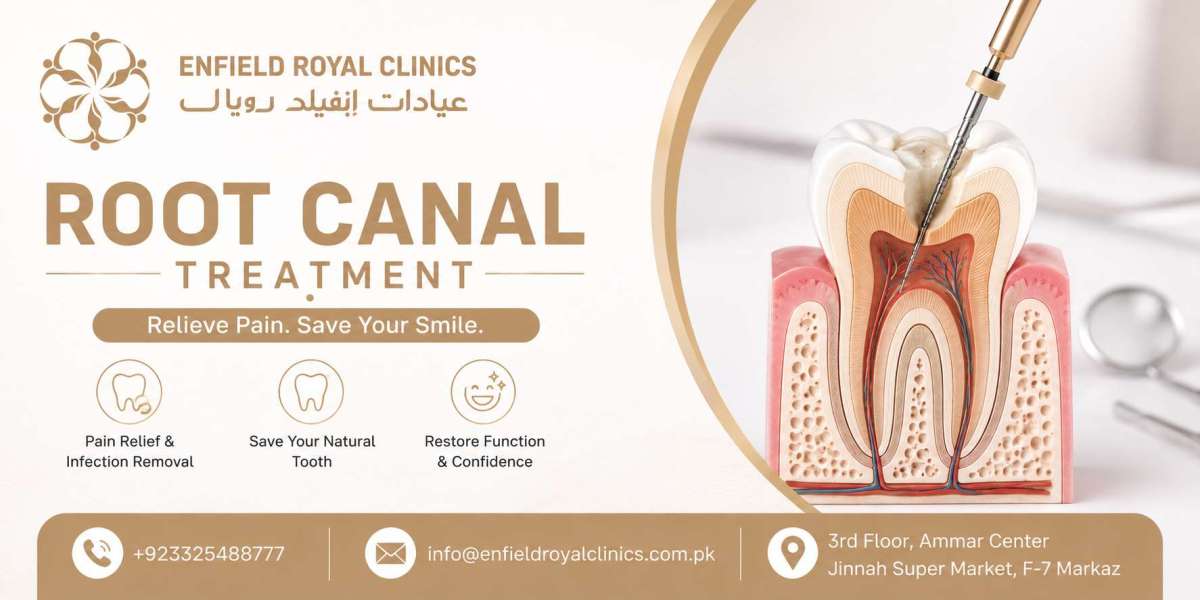

After a tooth has undergone a root canal, restoring it properly is an important part of protecting the remaining structure. Many patients wonder how quickly they can receive a permanent crown and whether they need to wait for the tooth to heal first.
The timing depends on the condition of the tooth, the type of treatment completed, the amount of remaining tooth structure, and the dentist's assessment. In some cases, the crown can be planned shortly after Root Canal Treatment , while other situations may require a little more time.
Why Is a Crown Often Recommended?
A tooth that needs internal treatment has often already been weakened by deep decay, a large filling, cracks, or previous damage. After the infected pulp is removed, the remaining structure may be more vulnerable to fracture.
A crown covers much of the visible tooth and helps protect it from chewing forces. This is especially important for molars and premolars, which experience substantial pressure during normal eating.
However, not every treated tooth automatically needs a crown. The decision depends on how much healthy structure remains and where the tooth is located.
How Soon Can a Crown Be Placed?
In many cases, the dentist can begin planning the crown soon after the root canal is completed. The exact timing can vary from the same visit to a later appointment, depending on the treatment plan.
Some dentists prefer to restore the tooth promptly once the internal treatment has been completed, particularly when the tooth is significantly weakened and needs protection.
If the tooth has active infection, unusual symptoms, or requires additional monitoring, the dentist may choose to wait before placing the final restoration.
Does the Tooth Need Time to Heal?
The tissues around the root may remain mildly inflamed after treatment, but this does not always mean that a patient must wait for complete healing before receiving a crown.
The decision is based on the condition of the tooth and the surrounding tissues. If the dentist is satisfied that the internal treatment is progressing appropriately and the tooth can be safely restored, the crown may be placed without a long delay.
In more complicated cases, monitoring may be appropriate before completing the permanent restoration.
What Happens Before the Crown Is Placed?
Before making the final crown, the dentist examines the treated tooth and checks how much structure remains. The tooth may need to be shaped slightly to create space for the crown.
An impression or digital scan is then taken so the laboratory or dental system can create a restoration that fits the tooth and matches the bite.
A temporary crown may be placed during this stage. It protects the prepared tooth while the permanent restoration is being made.
Why Is a Temporary Crown Used?
A temporary crown is designed to protect the tooth for a limited period. It can help prevent sensitivity, reduce the risk of fracture, and maintain the tooth's shape until the permanent crown is ready.
Patients with a temporary crown should be careful with very hard or sticky foods. Sticky foods can sometimes loosen the temporary restoration, while hard foods can place unnecessary pressure on the tooth.
If the temporary crown becomes loose or falls out, contact your dentist rather than attempting to permanently fix it yourself.
Can You Get a Crown Immediately After Treatment?
In some cases, yes. A dentist may be able to prepare the tooth and begin the crown process during the same general treatment period.
However, this does not mean that every patient should receive immediate full coverage. The dentist may need to consider the severity of infection, amount of remaining tooth structure, symptoms, and whether the tooth requires additional treatment.
The goal is to restore the tooth at an appropriate time rather than simply choosing the earliest possible date.
Why Might the Crown Be Delayed?
A crown may be delayed when the dentist wants to monitor a complicated infection or assess symptoms after the internal treatment.
If significant swelling, persistent pain, drainage, or other concerns remain, additional evaluation may be necessary before placing the final restoration.
A tooth that has undergone retreatment may also require closer monitoring. In these situations, waiting can allow the dentist to make a more informed decision about the long-term restoration.
Is It Safe to Wait Too Long?
Delaying a recommended crown can create problems when the tooth is significantly weakened. Without sufficient protection, the tooth may be exposed to normal chewing forces and become more vulnerable to cracks or fractures.
This is particularly important for molars and premolars. A fracture that extends deeply into the tooth can make future treatment more complicated and, in severe cases, may make the tooth impossible to save.
For this reason, patients should follow the restoration schedule recommended by their dentist.
What Foods Should You Avoid Before the Crown?
Until the permanent crown is placed, it is sensible to avoid excessive pressure on the treated tooth. Hard foods, ice, hard candies, and sticky sweets can increase the risk of damaging a temporary restoration or weakening the tooth.
Chewing on the opposite side can help reduce pressure during the waiting period.
Your dentist may provide specific dietary instructions depending on whether you have a temporary filling, temporary crown, or another type of restoration.
Can You Return to Normal Activities?
Most patients can continue their regular daily routine after treatment. A crown preparation or placement generally does not require prolonged downtime.
Some tenderness may occur after Root Canal Treatment, especially when biting. This usually improves as the tissues around the root recover.
If severe pain, swelling, or increasing discomfort develops while waiting for the final crown, contact your dental professional for an evaluation.
Does the Type of Tooth Affect Timing?
Yes. Front teeth and back teeth have different structural demands. A severely weakened molar may benefit from prompt protection because it experiences significant chewing pressure.
Front teeth may sometimes be restored with a filling or another restoration rather than a crown, depending on how much structure remains.
The timing and type of restoration should therefore be based on the individual tooth rather than a universal schedule.
How Can You Protect the Tooth Until the Crown?
Continue brushing gently twice a day and clean between your teeth to maintain good oral hygiene. Avoid chewing hard objects and do not use the tooth to open packages or bite non-food items.
If you have a temporary restoration, follow your dentist's instructions carefully. Attend the scheduled crown appointment so the tooth is not left vulnerable longer than necessary.
How Long Does the Permanent Crown Last?
A well-made crown can remain functional for many years when it is properly fitted and maintained. Its longevity depends on the material, oral hygiene, bite forces, and everyday habits.
Patients who grind or clench their teeth may place additional stress on the crown and underlying tooth. In such cases, the dentist may recommend protective measures.
Regular examinations help monitor both the crown and the tooth beneath it.
Final Thoughts
There is no single waiting period that applies to every patient. In many situations, a crown can be planned soon after Root Canal Treatment , while more complicated cases may require monitoring before the final restoration is placed.
The condition of the tooth, severity of infection, remaining structure, type of tooth, and response to treatment all influence the timing. A temporary restoration may be used to protect the tooth while the permanent crown is prepared.
Following your dentist's recommendations and avoiding unnecessary pressure on the treated tooth can help protect it during the restoration process. Timely placement of an appropriate crown or permanent restoration can give a weakened tooth the protection it needs for long-term function.
For more information visit Enfield royal clinic in islamabad