
A paternity test is one of the most reliable ways to evaluate whether a man is the biological father of a child. Modern DNA testing examines multiple genetic markers and uses statistical analysis to determine whether the genetic evidence supports biological fatherhood.
Still, an important question remains: Can a paternity test be wrong?
The short answer is that no testing process should be considered infallible. However, a properly collected and analyzed DNA Paternity Test Dubai can provide extremely strong evidence about biological fatherhood. When unexpected or confusing results occur, the cause is often related to sample collection, participant identification, laboratory procedures, interpretation, or unusual genetic circumstances rather than the basic concept of DNA testing itself.
Understanding how paternity testing works can help you interpret the result correctly and recognize situations where additional testing or professional review may be appropriate.
The First Thing to Understand About Paternity Test Accuracy
A paternity test does not determine fatherhood by looking for one single DNA characteristic.
A child receives approximately half of their nuclear genetic material from their biological mother and the other half from their biological father. A laboratory examines multiple genetic markers in the child and alleged father and evaluates whether the observed patterns are consistent with biological inheritance.
The laboratory then uses statistical calculations to determine the strength of the evidence.
A report may conclude that the alleged father is excluded or that he is not excluded as the biological father. It may also provide values such as a paternity index, combined paternity index, and probability of paternity.
This is why the reliability of a paternity test depends on both accurate DNA analysis and proper sample handling.
So, Can a DNA Paternity Test Be Wrong?
A correctly performed paternity test using properly identified samples is highly reliable. However, several circumstances can create problems or confusion.
Potential issues can include:
- Incorrect participant identification
- Sample mix-ups
- Contamination
- Poor sample collection
- Insufficient DNA
- Laboratory errors
- Unusual genetic conditions
- Testing the wrong alleged father
- Misunderstanding the laboratory report
These situations are not all equally common, and a questionable result should not automatically be assumed to mean that the laboratory made a mistake.
The first step is to understand what the report actually says.
What Makes a Paternity Test Reliable?
Several safeguards work together to produce a dependable DNA test result.
Proper Sample Collection
The laboratory needs biological material containing usable DNA.
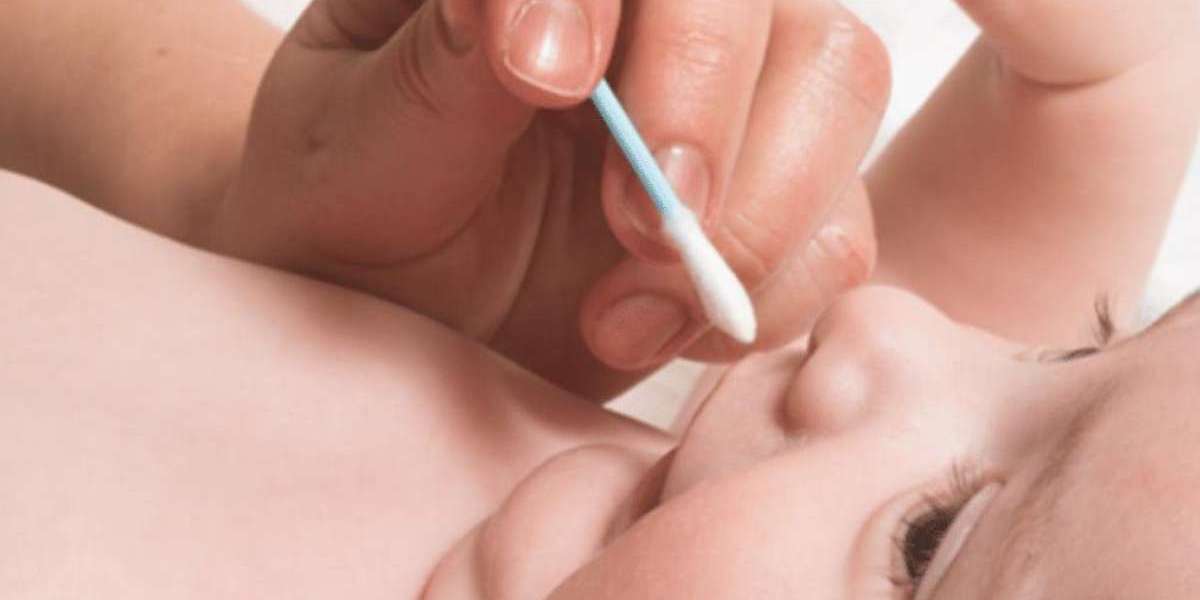
For many postnatal paternity tests, cheek swabs are used because they are convenient and non-invasive.
Correct Participant Identification
The laboratory must know whose DNA is being tested.
This becomes especially important when the result is intended for legal purposes.
Multiple Genetic Markers
Testing multiple markers provides a much stronger basis for evaluating biological relationships than relying on one genetic characteristic.
Laboratory Quality Control
Professional laboratories use established procedures for DNA extraction, amplification, analysis, quality control, and reporting.
Statistical Interpretation
The genetic findings are evaluated using relationship-testing statistics rather than a simple visual comparison of DNA.
When these elements are properly controlled, the resulting evidence can be extremely strong.
What Does Excluded Mean?
An exclusion generally means that the genetic evidence is inconsistent with the alleged father being the biological father.
A child's DNA contains inherited genetic characteristics from both biological parents. If the alleged father's genetic profile cannot account for the paternal characteristics observed in the child's profile across the relevant markers, the laboratory may report an exclusion.
This is not normally based on one isolated difference.
The conclusion is based on the overall genetic analysis.
If an alleged father is excluded, biological fatherhood is generally not supported by the tested genetic evidence.
What Does Not Excluded Mean?
This wording can sometimes confuse people.
A report stating that a man is not excluded generally means that the genetic evidence is consistent with him being the biological father.
The report may also provide a high probability of paternity and supporting statistical values.
However, “not excluded” does not mean that the laboratory found an ordinary one-to-one DNA match. Paternity testing is a statistical relationship analysis based on inherited genetic markers.
The exact terminology used in the report can vary by laboratory.
Is a Probability of Paternity the Same as Accuracy?
No.
This distinction is important.
A probability of paternity is a statistical expression of how strongly the DNA evidence supports the alleged father as the biological father under the assumptions used in the analysis.
It should not automatically be interpreted as saying that the laboratory is “99.99 percent accurate.”
For example, a report might provide a very high probability of paternity based on the genetic evidence. That number describes the strength of the relationship evidence, not simply the laboratory's overall error rate.
When reading a paternity report, look at the complete conclusion rather than focusing on one percentage.
Could the Wrong Person's Sample Cause a Wrong Result?
Yes, which is why participant identification is particularly important.
Imagine that a DNA sample is accidentally associated with the wrong person. The laboratory could potentially perform technically correct genetic analysis on that sample while producing a result that does not correspond to the person believed to have been tested.
This is one reason legal paternity testing generally includes identity verification and a documented chain of custody.
A legal collection process may involve:
- Identity documents
- Authorized sample collection
- Photographic identification
- Sample labeling
- Secure packaging
- Documentation
- Chain-of-custody records
These procedures help connect the biological specimen to the correct individual.
Can a Cheek Swab Give an Incorrect Result?
A cheek swab is a commonly used DNA sample and can provide sufficient genetic material for paternity analysis.
However, collection quality matters.
Problems can occur if:
- The swab is not collected properly
- The sample becomes contaminated
- The specimen is damaged
- The wrong swab is labeled
- Collection instructions are not followed
- The sample contains insufficient DNA
A laboratory may identify an inadequate specimen during quality control and request another sample.
Importantly, a poor-quality sample does not automatically produce a false paternity conclusion. In many cases, the laboratory will report that the specimen is insufficient or unsuitable rather than issuing a misleading result.
Can Contamination Affect a Paternity Test?
DNA contamination is a potential laboratory concern, which is why professional testing environments use quality-control procedures to minimize it.
Contamination can occur when DNA from another source becomes mixed with the intended sample.
Laboratories use controlled procedures, equipment, documentation, and testing protocols to reduce this risk.
If there is a serious concern about contamination, the appropriate response is to discuss the issue with the laboratory and determine whether repeat testing is warranted.
Can Two Brothers Cause Confusion in Paternity Testing?
Yes, closely related men can present a more complex genetic situation.
For example, if two brothers are both possible biological fathers, their DNA profiles can share many genetic characteristics because they have common biological parents.
A standard paternity test involving only one alleged father may not be sufficient to resolve every complex scenario involving close relatives.
If more than one closely related man could be the biological father, the testing provider should be informed before samples are collected.
The laboratory may recommend additional participants or a more specialized kinship DNA test.
This is an important example of why providing complete information to the testing provider matters.
Can Identical Twins Affect Paternity Testing?
Identical twins present an even more unusual situation.
Identical twins originate from the same fertilized egg and therefore have extremely similar genetic profiles. Conventional paternity testing may not reliably distinguish which identical twin is the biological father.
If identical twins are possible candidates, the laboratory must be told about the situation before testing.
Specialized genetic analysis may sometimes provide additional information, but the limitations should be explained by a qualified genetics or relationship-testing professional.
Can Mutations Affect a Paternity Test?
Genetic mutations can occur naturally.
Because paternity testing examines multiple genetic markers, an isolated mutation at one marker does not necessarily mean that a man is not the biological father.
Professional laboratories account for established genetic principles when interpreting relationship-testing results.
This is another reason not to interpret paternity by looking at one marker or one line of a report.
The overall genetic profile and statistical analysis are what matter.
Can the Mother Be Important in Paternity Testing?
The mother's DNA is not always required for a standard postnatal paternity test, but including her can provide additional information.
A child inherits genetic material from both parents. Knowing the mother's profile can help the laboratory identify which genetic characteristics came from the mother and which are therefore expected to have come from the biological father.
A test involving the child, mother, and alleged father is commonly called a trio paternity test.
A child-and-alleged-father test may be called a duo paternity test.
Whether maternal participation is recommended depends on the testing circumstances and laboratory methodology.
What About Prenatal Paternity Testing?
A prenatal paternity test evaluates biological fatherhood before birth.
Non-invasive approaches can analyze fetal DNA fragments associated with the pregnancy in the mother's bloodstream and compare the relevant genetic information with the alleged father's DNA.
Prenatal testing is more specialized than standard postnatal cheek-swab testing.
Factors such as gestational age, fetal DNA availability, sample quality, and testing methodology can influence the process.
Invasive prenatal procedures such as CVS or amniocentesis have separate medical considerations and should be discussed with an appropriate healthcare professional.
Could a Laboratory Make a Mistake?
Laboratory errors are possible in any scientific testing environment, although quality-control procedures are designed to minimize them.
Potential sources of error could include:
- Sample identification problems
- Data entry mistakes
- Technical processing errors
- Equipment issues
- Interpretation problems
- Reporting errors
Professional laboratories typically use multiple quality-control measures to detect and prevent such problems.
If a result conflicts strongly with reliable biological information, asking the laboratory to review the case may be appropriate.
What Should You Do If the Result Seems Wrong?
An unexpected result can be emotionally difficult, especially when it conflicts with what you believed about biological fatherhood.
Instead of immediately assuming that the test is incorrect, take a structured approach.
Review the Report
Check the participant names, sample identifiers, conclusion, and statistical information.
Confirm Who Was Tested
Make sure the correct child and alleged father provided the samples.
Ask About the Collection Process
If samples were collected outside a controlled legal setting, consider whether there could have been an identification or handling issue.
Contact the Laboratory
Ask the laboratory to explain the conclusion and whether any sample-quality concerns were identified.
Consider Repeat Testing
If there is a genuine reason to question the result, a repeat test using properly identified samples may provide additional reassurance.
For legal matters, consider obtaining guidance from the relevant legal or official authority before taking further action.
Is a Legal Paternity Test More Accurate?
Not necessarily.
The underlying DNA analysis can be similar between legal and non-legal testing.
The major difference is the collection process.
A legal paternity test generally includes identity verification and chain-of-custody procedures designed to establish that the tested samples belong to the identified participants.
A non-legal test is generally intended for personal information and may use a simpler collection process.
Therefore, a legal test is not automatically “more accurate” genetically. Its additional safeguards make the result more suitable for official use.
How to Improve Confidence in Your Paternity Test
If accuracy and reliability are important, focus on the entire testing process.
Choose a provider that clearly explains:
- The DNA testing methodology
- The samples required
- The genetic markers analyzed
- Quality-control procedures
- Laboratory standards
- Report interpretation
- Legal collection options, if required
- Procedures for insufficient or inconclusive samples
For legal Lab tests, ensure that identity verification and chain-of-custody requirements are addressed before sample collection.
Transparency is often more useful than simply choosing a provider based on a claimed accuracy percentage.
Frequently Asked Questions:
Can a paternity test give a false positive?
A properly performed DNA paternity test is highly reliable, but unexpected results should be reviewed in context. Sample identity, laboratory procedures, close biological relatives, and unusual genetic circumstances can affect interpretation.
Can a paternity test give a false negative?
An exclusion should be interpreted using the complete genetic analysis. If there are unusual circumstances, such as possible mutations or closely related alleged fathers, additional evaluation may be appropriate.
Can a cheek-swab paternity test be wrong?
A properly collected cheek swab can provide excellent DNA for testing. Problems are more likely to involve sample quality, contamination, identification, or handling rather than the cheek swab method itself.
What if two possible fathers are brothers?
Tell the laboratory before testing. Closely related alleged fathers can require specialized analysis or additional samples.
Does a high probability of paternity prove fatherhood?
It provides strong statistical support for biological fatherhood, but the meaning of the probability should be understood in the context of the laboratory's methodology and assumptions.
Should I repeat a paternity test if I do not believe the result?
If there is a legitimate concern about the result, discussing the case with the testing laboratory and considering properly controlled repeat testing may be appropriate.
Final Takeaway:
So, can a paternity test be wrong? A properly performed DNA paternity test using correctly identified samples and appropriate laboratory procedures can provide highly reliable evidence of biological fatherhood. However, unusual genetic circumstances, sample problems, identification errors, laboratory issues, or misunderstandings about the report can sometimes create unexpected results.
The most important point is to look beyond a single percentage or conclusion. Consider how the samples were collected, who was tested, how the DNA was analyzed, what genetic markers were evaluated, and how the final result was interpreted.
If a paternity result seems inconsistent with the circumstances, do not immediately assume that the DNA science has failed. First verify participant identities, review the report, contact the laboratory, and determine whether repeat or specialized testing is appropriate.
When legal consequences are involved, properly documented legal DNA testing and chain-of-custody procedures become especially important. A careful approach can help ensure that the final result is both scientifically meaningful and appropriate for its intended purpose.