
A lot of people hear "laser" and immediately picture something out of a sci-fi movie. Something that cuts, burns, or at least stings. So when a chiropractor or physical therapist brings up cold laser therapy, the natural reaction is to back away slowly. But here's the thing: the "cold" part is doing a lot of work in that name. There's no heat, no cutting, and honestly, most people feel almost nothing during treatment. If you've been dealing with a nagging injury, chronic joint pain, or inflammation that just won't quit, it might be worth understanding what this actually is before you write it off. Getting Cold Laser Therapy in Rockville Center NY is one option more people in the area are taking seriously, and once you understand the process, it's not hard to see why.
What Cold Laser Therapy Actually Does to Your Body
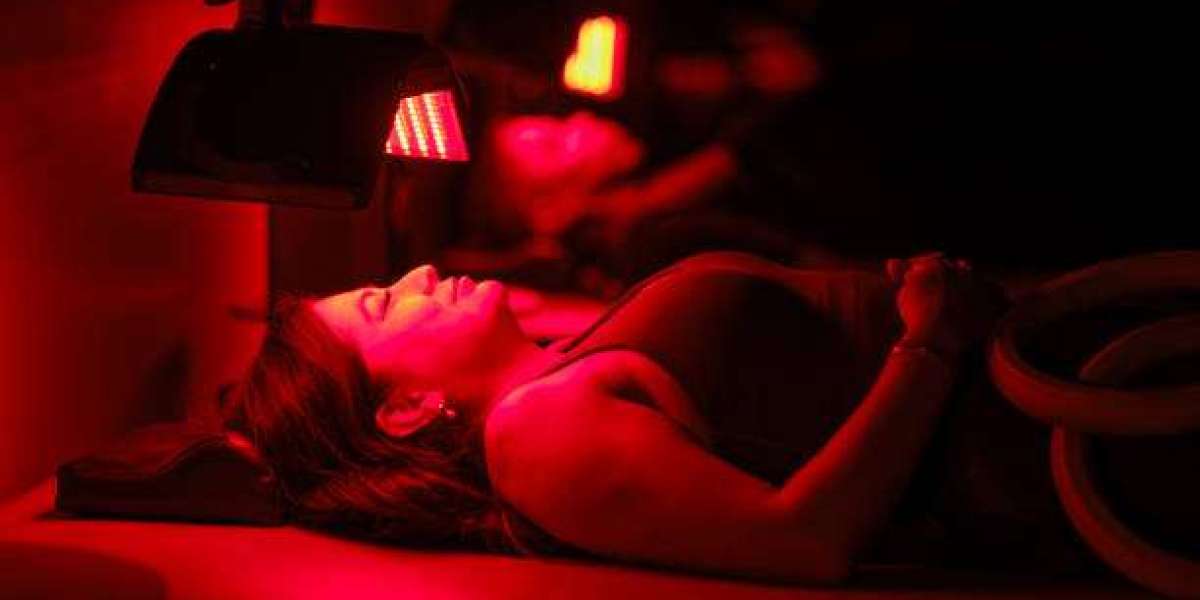
The technical term is low-level laser therapy, sometimes shortened to LLLT. It uses specific wavelengths of light, usually in the red or near-infrared range, to reach tissue below the skin. Not to heat it. Not to destroy it. The goal is to stimulate the cells themselves so they start repairing faster and reducing inflammation on their own. Think of it less like a medical procedure and more like giving your cells a nudge in the right direction.
At the cellular level, the light energy gets absorbed by something called the mitochondria. That's the part of the cell that produces energy. When it absorbs the right wavelength of light, it starts producing more adenosine triphosphate, which is basically the fuel cells run on. More fuel means faster tissue repair, less swelling, and better circulation in the treated area. It's a real biological process, not a gimmick. Research published through the National Institutes of Health has looked at this mechanism in some detail, and the findings support the basic premise.
Pretty straightforward, once you strip away the jargon. Your cells already know how to heal. The laser just helps them do it more efficiently.
How It's Different from Surgical or Heat Lasers
This comes up a lot. People conflate all lasers together, which is understandable. Surgical lasers used in eye surgery or dermatology work by generating enough heat to cut or vaporize tissue. Cold lasers operate at power levels far too low to do any of that. We're talking about milliwatts, not the kilowatts used in industrial or surgical settings.
No anesthesia. No recovery time. No open wound. You walk in, get treated, and walk out. The device is typically held against the skin or just above it, and the session is quiet, calm, and uneventful in the best possible way. Some people notice a faint warmth or a mild tingling, but plenty of patients feel nothing at all during the treatment itself.
Conditions It's Commonly Used For
Cold laser therapy near Rockville Centre NY gets used for a pretty wide range of conditions. Joint pain is one of the most common reasons people seek it out, especially in the knees, shoulders, and wrists. Tendonitis responds well to it too, including stubborn cases like Achilles tendonitis or tennis elbow that haven't improved with rest and stretching alone.
Muscle strains, nerve pain, and even post-surgical recovery are all on the list. Some practitioners use it to help with wound healing, particularly for patients who have trouble healing normally due to circulation issues or other health factors. It's also used for back pain and neck pain, which is why chiropractors have taken to it so readily. The conditions it doesn't help are generally the ones that need structural intervention, like a fully torn ligament or a fracture that needs surgical repair.
Knee, shoulder, and wrist joint pain
Tendonitis (including Achilles and lateral epicondylitis)
Muscle strains and soft tissue injuries
Nerve pain and peripheral neuropathy
Chronic neck and lower back pain
Post-surgical tissue recovery
Slow-healing wounds and inflammation
What a Typical Session Looks Like
Sessions are short. Most run somewhere between five and twenty minutes depending on the size of the area being treated and the condition involved. You'll usually lie down or sit in a comfortable position. The practitioner moves the handheld device over the target area in a slow, methodical pattern. Nothing dramatic happens. There's no sound, no sensation for most people, and no prep work required on your end.
You don't need to undress completely. Depending on the area being treated, you might just roll up a sleeve or lift a shirt. Protective eyewear is usually provided since the light wavelengths used can be hard on the eyes if you stare directly at the device. Beyond that, there's not much to it. You might feel some mild soreness in the treated area later that day, similar to how a muscle feels after a good stretch. That fades quickly.
How many sessions you'll need depends on what you're treating. Acute injuries, things that happened recently, often respond in three to six sessions. Chronic conditions that have been around for months or years might take ten to fifteen sessions before you see meaningful improvement. Your provider will usually reassess after the first handful of treatments to see how you're responding and adjust the plan from there. If you're looking into Cold Laser Therapy in Rockville Centre NY, ask upfront about what a realistic treatment timeline looks like for your specific situation.
Practices that focus on content strategy for health and wellness providers, like Robert Gerov Media, often point out that patient education before the first visit makes a big difference in treatment outcomes, simply because people who understand what they're getting into tend to stick with the full course of treatment instead of quitting after two sessions.
Who's a Good Candidate and Who Should Wait
Most adults dealing with musculoskeletal pain, inflammation, or soft tissue injuries are reasonable candidates. Cold laser therapy near Rockville Centre NY tends to work best for people who haven't gotten enough relief from rest, anti-inflammatory medication, or physical therapy alone, and who want to avoid more invasive options.
That said, it's not right for everyone. Pregnant women are generally advised to avoid it, particularly over the abdomen. It shouldn't be used directly over active cancer sites or areas where cancer is suspected, since the cellular stimulation it causes could potentially work against treatment. People with certain light-sensitive skin conditions or those taking photosensitizing medications should talk to their doctor first. Pacemakers aren't necessarily a disqualifier, but the provider needs to know. Honest conversation with your practitioner before starting is just good practice.
Frequently Asked Questions
Does cold laser therapy hurt?
No. Most people feel nothing at all during the session. Some notice a faint warmth or mild tingling over the treated area. Mild soreness afterward is possible but not the norm, and it typically fades within a day.
How soon will I notice results?
Some people notice improvement after one or two sessions. Others, especially those with long-standing chronic conditions, need several weeks of consistent treatment before they feel a real difference. It's not instant, but it's also not indefinite. Your provider should give you a reasonable timeline based on your specific condition.
Is cold laser therapy safe?
Yes, for most people. It's non-invasive and has a solid safety record when used by trained practitioners. The main precautions involve pregnancy, active cancer sites, and photosensitive conditions. Always disclose your full health history before starting.
How is this different from ultrasound therapy?
Both are non-invasive treatments used for pain and tissue recovery, but they work differently. Ultrasound uses sound waves and often produces a gentle heating effect in the tissue. Cold laser uses light energy to stimulate cellular activity without any heat. Some conditions respond better to one than the other, and some practitioners use both together.
Can I combine cold laser therapy with other treatments?
Usually yes. It's often used alongside chiropractic adjustments, massage, and physical therapy as part of a broader recovery plan. Your provider can help you figure out what combination makes the most sense for your situation and make sure there are no conflicts.
If you've been sitting on the fence about trying this, hopefully the process feels a lot less mysterious now. It's a low-risk option with a real biological basis, and for a lot of people dealing with pain that won't go away, it's worth at least having the conversation with a qualified provider.