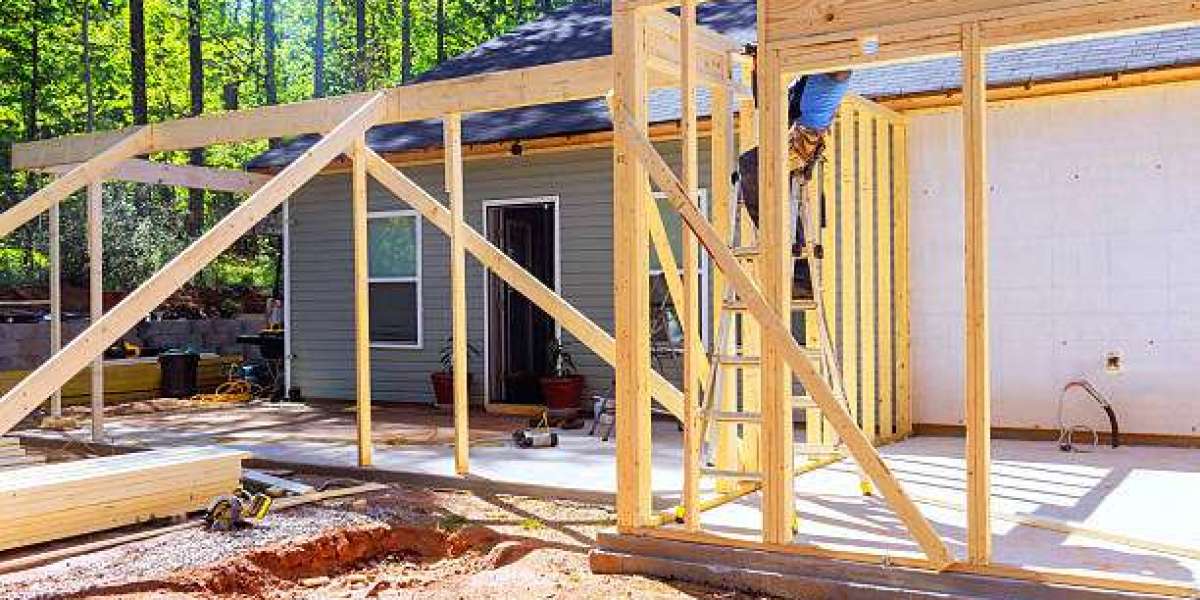

A lot of homeowners get excited about adding onto their house and immediately want to break ground. Totally understandable. But the timing of when you actually kick things off can affect everything from how long you wait on permits to what a contractor charges you. Get the timing wrong and you're looking at weeks of unnecessary delays, higher bids, or a project that drags through the worst weather of the year. If you're seriously thinking about Home Additions in Riverview, FL , this guide walks you through exactly when to move and when to hold off.
The short version? Start planning way earlier than you think you need to. Most people underestimate how much lead time goes into a structural expansion before a single shovel hits the dirt.
Permit Timelines Aren't the Same All Year
Here's something most homeowners don't know. Municipal building departments get slammed with permit applications in spring and early summer. That's when everyone decides to start a project. So if you submit your application in March or April, you might be sitting in a queue with hundreds of other homeowners. Wait times can stretch to eight or ten weeks in busy counties.
Submit in October or November? Different story. Departments are quieter, reviewers have more bandwidth, and you can sometimes cut that wait down to three or four weeks. That's a month of real time saved, just by being strategic about when you file the paperwork. It doesn't cost you anything extra. You're just working smarter.
Check with your local building department about their typical review cycles before you assume anything. Some jurisdictions also offer home improvement permit guidance that can help you understand what documents they need upfront, which cuts down on back-and-forth rejections that add more weeks to the process.
Contractor Availability Moves in Predictable Waves
Contractors get busy in spring. Really busy. By April and May, a lot of the good crews are booked solid through summer. If you call around in June hoping to start in July, you might get lucky, but you'll probably pay a premium for it or settle for whoever happens to have an opening.
The better window for locking in a contractor is late fall or winter. Crews have more flexibility, they're not juggling five jobs at once, and you've got more leverage on price. Not always a huge difference, but in my experience you can sometimes negotiate better terms just because the contractor isn't turning away work. That matters when you're talking about a project that might run into six figures.
One thing worth doing: get at least three bids, and get them early. Don't wait until you're ready to start. Get bids during your planning phase so you actually understand the market rate before you're committed to a timeline.
Weather Delays: Real Concerns vs. Overstated Worries
People in Florida worry less about snow and more about rain. Fair. But the idea that you can't build anything in winter is mostly wrong. Foundation work needs dry ground and stable temps, and Florida winters actually deliver that pretty well. Summer, on the other hand, brings afternoon thunderstorms that can disrupt outdoor work for hours at a stretch.
That said, hurricane season runs June through November. Not every year brings a storm close enough to matter, but the risk is real. Scheduling the heaviest exterior work outside that window is just common sense. If you're doing an addition that requires the roof to be open for any period, you really don't want that happening in August.
Interior work is a different animal. Framing, drywall, electrical, plumbing, none of that cares what month it is. So a smart contractor will sequence the project to keep things moving even when outdoor conditions aren't ideal.
Back-Calculate Your Start Date Before You Do Anything Else
Here's a simple way to think about this. Pick the date you want to be living in your finished addition. Now work backwards.
Construction itself typically runs three to six months for a mid-size addition, sometimes longer.
Permit review adds four to ten weeks depending on when you file and how complete your application is.
Design and engineering drawings take six to twelve weeks, sometimes more if you're making changes.
Contractor selection, bidding, and contract negotiation can take another four to six weeks.
Add all that up and you're looking at six to twelve months of lead time before you even break ground. Most homeowners are genuinely surprised by that number. They think they can sign a contract in January and move into the new space by summer. Possible, but only if the planning phase started the previous spring or summer.
If you're using home additions services near Riverview, the local contractors you talk to will usually help you map out a realistic timeline. Don't skip that conversation. It's one of the most useful things you can do early in the process.
Red Flags That Say "Wait, Don't Rush"
Sometimes the timing just isn't right. And pushing through anyway is how projects blow up.
Watch out for these situations. If you haven't had a structural assessment done on your existing home, don't start an addition. Problems in the existing foundation or framing can completely change the scope and cost of the project once construction is underway, and that's a nightmare to deal with mid-build. Get the assessment first.
Financing gaps are another big one. If your loan isn't fully approved and you're counting on it to cover the project, don't start. Construction loans and home equity lines of credit take time, and your contractor will expect payment on a schedule. Running out of money halfway through is one of the worst positions you can be in as a homeowner.
Also think about life disruptions. If you've got a major event coming up in the next six months, a wedding, a job change, a new baby, a planned move, think hard about whether you can actually manage an active construction project on top of that. It's stressful even under normal circumstances. Dan Home Improvements, LLC and other reputable contractors will tell you the same thing: a homeowner who's distracted or financially stretched makes the project harder for everyone.
And if you've been looking at home additions services near Riverview and feeling rushed because of a deal or a contractor's availability window, that pressure is usually not a good reason to skip any of the steps above. A good contractor will still be there in three months.
Frequently Asked Questions
What's the best time of year to start a home addition in Florida?
Late fall and winter are generally the best windows. Permit offices are less backed up, contractors have more availability, and you avoid the worst of hurricane season for exterior work. You won't be battling summer heat either, which matters for your crew's productivity and your sanity.
How far in advance should I start planning?
At least six months before you want to break ground, and honestly closer to nine or twelve if you want to be comfortable. Design, permitting, and contractor selection all take longer than people expect. Start early and you'll have options. Start late and you'll be making rushed decisions.
Does the season actually affect what I'll pay?
It can. Contractors are busy in spring and summer, so they have less reason to negotiate. In slower months you've got more leverage. The difference isn't always dramatic, but on a large project even a few percent adds up to real money.
What if my permit takes longer than expected?
Build buffer time into your schedule from the start. Assume it'll take longer than the estimate. If your contractor is ready to go and the permit is delayed, you may lose your spot in their schedule. Submit the application as early as possible and follow up with the building department regularly.
Is Home Additions in Riverview, FL a year-round option?
Pretty much, yes. Florida's mild winters mean construction doesn't stop the way it does up north. But smart timing still matters for permits, contractor availability, and working around storm season. You can technically start any month, but some months give you a much smoother path than others.
The bottom line is this: the homeowners who end up happiest with their additions are the ones who spent time on the front end thinking through the timing, not just the design. Start the planning phase now, even if you don't want to break ground for another year. That lead time is what makes everything else go smoothly.