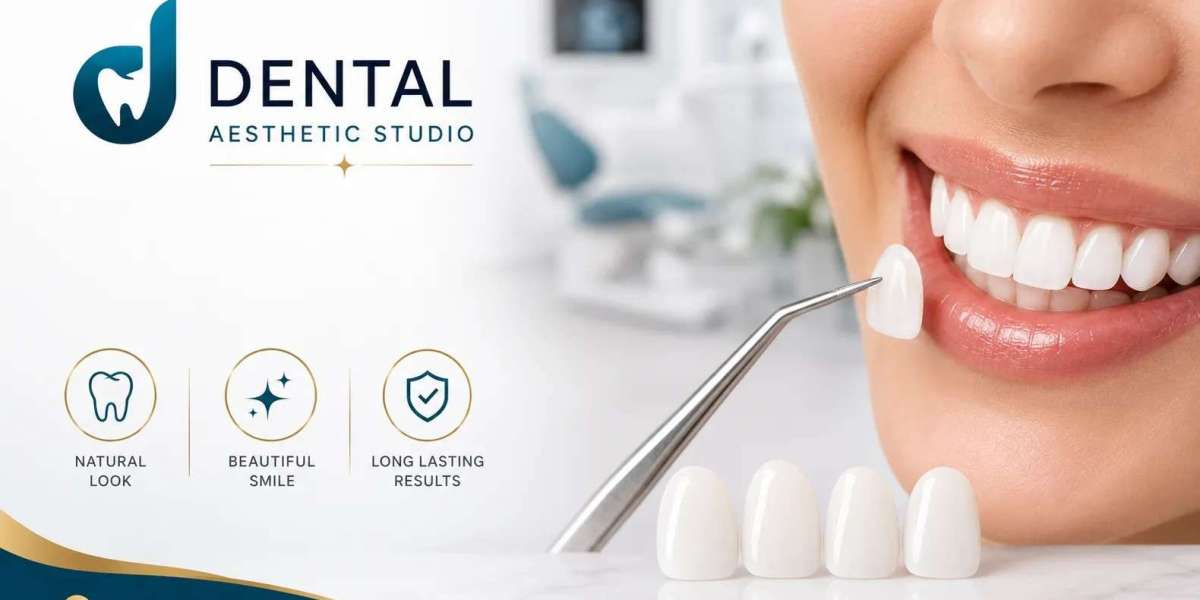

A natural-looking dental veneer is not simply about choosing a bright white shade. Several details work together to make veneers blend naturally with the rest of the smile, including tooth shape, size, color, translucency, surface texture, and proportions. Careful planning can help veneers look like natural teeth rather than obvious cosmetic restorations.
For patients considering dental veneers in Islamabad , customization is one of the most important factors. A dentist evaluates your existing teeth, facial features, smile line, gums, and personal preferences before designing the final veneers.
Choosing the Right Veneer Shape:
Dental veneers look more natural when their shape complements the patient's existing teeth and facial features. Teeth can have rounded, oval, square, or rectangular characteristics, and the ideal shape varies from person to person.
The dentist considers the width, length, edges, and contours of your natural teeth before selecting a design. A veneer that is too wide, too long, or overly uniform may look artificial.
Subtle customization helps create a smile that appears balanced and appropriate for your face.
Getting the Right Tooth Color:
Color is one of the first things people notice about a smile. Natural teeth are rarely completely white, and they usually contain subtle variations in shade and translucency.
A dentist selects the veneer color by considering your skin tone, facial features, neighboring teeth, and desired level of brightness. The goal is usually to achieve an attractive shade that still looks believable.
Choosing an extremely bright color without considering the rest of the smile can make veneers appear less natural.
Why Translucency Matters:
Natural enamel allows some light to pass through it, creating depth and variation. High-quality veneers can be designed with translucency that mimics this characteristic.
Porcelain is particularly useful for creating a natural-looking appearance because it can be layered and customized to reproduce different optical characteristics of natural teeth.
The appropriate level of translucency depends on the patient's existing teeth and the desired result.
Maintaining Natural Tooth Proportions:
The relationship between tooth width and length is important for a natural-looking smile. If veneers are too short, they may look wide or bulky. If they are too long, they may appear disproportionate.
Dentists evaluate individual tooth proportions as well as the relationship between neighboring teeth.
The front teeth often have greater visual prominence, while the teeth farther toward the sides gradually become narrower. Maintaining these relationships helps create a harmonious smile.
Creating Realistic Tooth Edges:
Natural teeth do not always have perfectly straight edges. They can have subtle curves and small variations that affect how light reflects from their surfaces.
Veneers can be designed with carefully shaped edges to imitate these characteristics. Overly perfect or identical edges can sometimes make cosmetic restorations look artificial.
The dentist can customize the contour according to the desired appearance and function.
Matching the Surface Texture:
The surface of natural teeth has subtle texture and light-reflecting characteristics. Veneers can be polished and shaped to reproduce an appropriate surface appearance.
A completely flat or excessively glossy surface may look less natural in certain situations.
Proper finishing and polishing can help the veneers blend with the surrounding teeth and reflect light more naturally.
Considering the Gum Line:
Healthy and symmetrical gums contribute significantly to an attractive smile. Even well-designed veneers can look less natural if the gum line is uneven or inflamed.
Before veneer placement, the dentist evaluates the gums and the relationship between the gum line and tooth edges. Gum treatment may sometimes be recommended if there are significant concerns.
Healthy gums also support the long-term appearance of cosmetic restorations.
Matching Veneers With Neighboring Teeth:
When only a few teeth receive veneers, matching them to the surrounding natural teeth becomes particularly important. The dentist needs to consider the color, shape, size, and translucency of the untreated teeth.
If the natural teeth have a noticeable color difference, professional whitening may sometimes be considered before final veneer shade selection.
This planning can help prevent the veneers from looking noticeably different from the rest of the smile.
How Digital Smile Planning Helps:
Modern cosmetic dentistry may use digital photographs, intraoral scans, and computer-based smile planning to evaluate potential veneer designs.
These tools can help the dentist assess tooth proportions, symmetry, and overall smile appearance before the final restorations are produced.
In some cases, a mock-up can also allow the patient to preview the proposed shape and proportions before treatment is completed.
Why Dentist and Laboratory Expertise Matters:
The quality of the final result depends not only on the material but also on the skill involved in planning, designing, fabricating, and placing the veneers.
A dentist with cosmetic dentistry experience can assess facial proportions and bite while working with a skilled dental laboratory to create customized restorations.
Good communication between the dentist, laboratory, and patient can contribute to a more predictable and natural-looking outcome.
Should Veneers Look Perfect?:
Interestingly, veneers that are completely identical may not always look the most natural. Natural teeth have subtle differences in shape, translucency, texture, and color.
A good cosmetic result usually focuses on harmony rather than absolute uniformity. Small variations can help restorations blend more naturally with the patient's facial features and existing teeth.
The best veneer design is one that enhances the smile without making the restorations the first thing people notice.
Can Veneers Look Natural for Years?:
With proper care, veneers can maintain their appearance for many years. Good oral hygiene, regular dental examinations, and avoiding habits that place excessive pressure on the restorations are important.
Patients should avoid biting ice, hard objects, pens, or fingernails. Those who grind or clench their teeth may benefit from a custom night guard recommended by their dentist.
Regular professional cleanings can also help maintain healthy gums and surrounding teeth.
Final Thoughts on Natural-Looking Dental Veneers:
A natural-looking veneer depends on much more than color. Shape, proportions, translucency, surface texture, tooth edges, gum health, and proper customization all contribute to the final appearance.
If you are considering veneers and want a personalized smile design, visit Dental Aesthetics Studio . A professional consultation can help determine the right veneer shape, shade, and proportions for a balanced and natural-looking result: