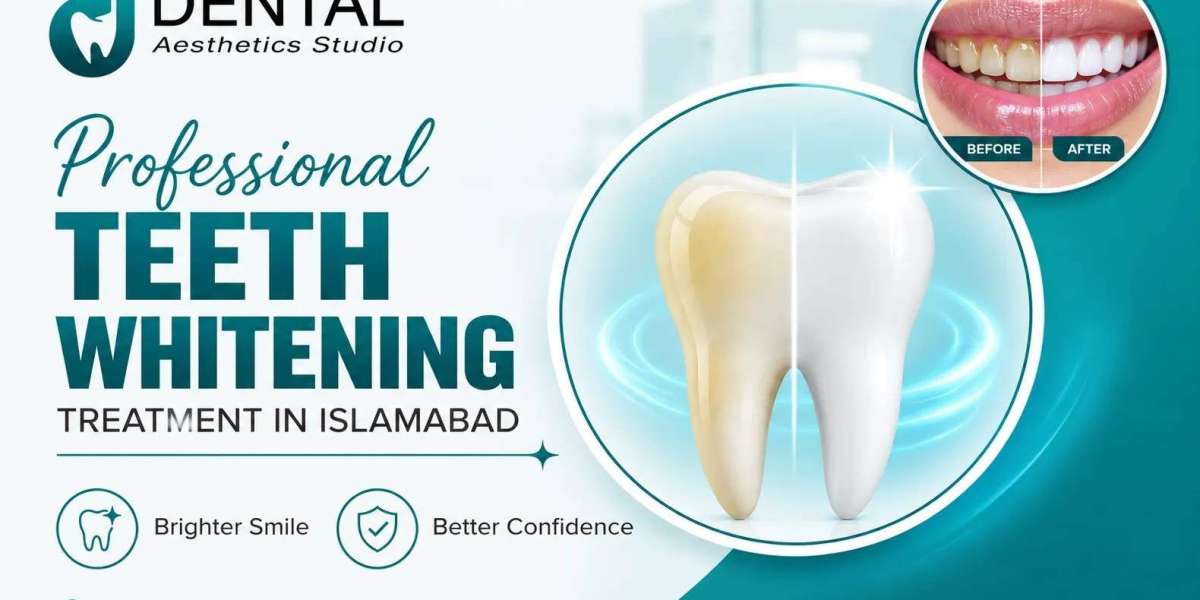

A bright smile can play an important role in how you feel about your appearance. Teeth can become yellow or stained because of aging, coffee, tea, tobacco, certain foods, and everyday habits. Professional whitening can reduce many types of discoloration and help create a cleaner, brighter-looking smile.
If you are considering teeth whitening in Islamabad, a dental consultation can help determine whether whitening is suitable for your teeth. Your dentist can also identify cavities, gum problems, enamel wear, or other issues that should be addressed before cosmetic treatment.
How Can Teeth Whitening Improve Your Smile?:
Teeth whitening is designed to lighten the color of natural teeth and reduce certain types of discoloration. Professional whitening generally uses peroxide-based products that help break down stain molecules within the tooth structure.
When stains are reduced, teeth can appear brighter and your smile may look fresher. The amount of improvement varies depending on your natural tooth color, type of staining, enamel condition, and whitening method.
The goal is usually a brighter, natural-looking smile rather than an identical shade for every patient.
Can a Brighter Smile Improve Confidence?:
For many people, tooth discoloration can make them feel self-conscious when smiling, speaking, meeting new people, or having photographs taken.
Improving the appearance of stained or yellow teeth may help some people feel more comfortable showing their smile. However, confidence is personal, and whitening should be viewed as an optional cosmetic treatment rather than something necessary for an attractive smile.
A professional consultation can help you set realistic expectations about the changes whitening can provide.
What Causes Teeth to Lose Their Brightness?:
Several factors can contribute to tooth discoloration over time, including:
- Coffee and tea
- Tobacco use
- Red wine
- Dark-colored foods
- Certain spices
- Aging
- Plaque and tartar
- Some medications
- Natural tooth color
- Enamel wear
Some discoloration occurs on the outer surface of the teeth, while other types develop within the tooth. The cause of discoloration can influence how well it responds to whitening.
What Happens During Professional Teeth Whitening?:
Before treatment, your dentist may examine your teeth and gums to determine whether whitening is appropriate.
During a professional whitening appointment, the dentist protects the gums and surrounding tissues before applying the whitening product to the teeth. The product is left in place for a controlled amount of time according to the treatment system.
Depending on the method used, the product may be reapplied or combined with a specialized dental light. The exact process varies between clinics and whitening systems.
Is Professional Teeth Whitening Safe?:
Professional whitening is generally considered safe for suitable patients when performed correctly. However, temporary tooth sensitivity is one of the most common effects.
Some people may also experience mild gum irritation. Existing dental sensitivity can make these effects more noticeable.
Before treatment, tell your dentist about sensitivity, cavities, gum disease, cracked teeth, enamel damage, or other dental concerns. Addressing these problems first can help make treatment more comfortable.
How Much Does Teeth Whitening Cost?:
The cost of professional whitening varies depending on the treatment method, whitening system, clinic, number of sessions, and individual dental requirements.
If you are comparing teeth whitening prices in Pakistan, look at what is included in the complete treatment rather than focusing only on the advertised price.
Consultation, dental examination, whitening products, professional treatment, and aftercare can all affect the overall cost.
How Many Shades Can Teeth Whitening Improve?:
There is no guaranteed number of shades that every patient will achieve. Some people experience a significant improvement, while others see a more moderate change.
Results can depend on:
- Starting tooth shade
- Type of staining
- Depth of discoloration
- Enamel condition
- Whitening system
- Treatment duration
- Lifestyle habits
Your dentist can assess your current tooth color and provide a more realistic idea of what you may achieve.
Does Whitening Work on Naturally Yellow Teeth?:
Professional whitening can improve naturally yellow teeth in many cases, especially when the yellow appearance is related to natural tooth color combined with surface staining.
However, teeth naturally contain dentin, which has a yellowish tone. Whitening does not remove this underlying structure.
If yellowing is caused by deep internal discoloration or other dental conditions, whitening may provide limited improvement. Your dentist can recommend alternative cosmetic options if appropriate.
Can Coffee and Tea Affect Whitening Results?:
Yes. Coffee and tea contain pigments that can gradually contribute to tooth staining.
You do not necessarily need to eliminate these beverages permanently after whitening. However, limiting them and rinsing your mouth with water afterward can help reduce staining.
Avoiding prolonged sipping can also reduce the amount of time pigments remain in contact with your teeth.
Can Smoking Make Teeth Yellow Again?:
Smoking can contribute significantly to tooth discoloration. Tobacco-related stains may appear yellow, brown, or darker depending on the amount and duration of tobacco exposure.
Whitening may reduce some tobacco stains, but continuing to smoke can cause new discoloration.
Avoiding tobacco is therefore an important part of maintaining a brighter smile and supporting overall oral health.
How Long Do Whitening Results Last?:
Teeth whitening results are not permanent. The duration depends on diet, oral hygiene, tobacco use, natural tooth color, aging, and other lifestyle factors.
Some people maintain a brighter smile for months or longer, while others notice staining sooner.
Good oral hygiene, regular dental checkups, professional cleaning, and sensible dietary habits can help maintain your results.
What Should You Eat After Whitening?:
Your dentist may recommend temporarily avoiding strongly pigmented foods and drinks after whitening.
These may include:
- Coffee
- Black tea
- Red wine
- Berries
- Tomato sauces
- Dark curries
- Cola
- Colored candies
Lighter-colored foods and plenty of water can be convenient choices during the recommended aftercare period.
Can Crowns and Veneers Be Whitened?:
Whitening primarily affects natural tooth structure. Crowns, veneers, bridges, and many fillings generally do not respond to whitening in the same way.
If you have visible dental restorations, your dentist should assess them before treatment. Whitening natural teeth without considering existing restorations may result in differences in color.
A dentist can help you plan treatment to achieve a more balanced overall smile.
How Can You Maintain a Confident Smile?:
Maintaining your smile after whitening involves more than occasional cosmetic treatment.
You can protect your results by:
- Brushing twice daily.
- Cleaning between your teeth.
- Drinking water regularly.
- Limiting strongly staining foods and beverages.
- Avoiding tobacco.
- Attending regular dental examinations.
- Following your dentist's whitening aftercare instructions.
At Dental Aesthetics Studio, patients can discuss their cosmetic dental goals and learn about suitable options for achieving a brighter-looking smile.
Is Teeth Whitening Right for Everyone?:
Whitening is not suitable for every type of discoloration or every dental condition. Cavities, gum disease, severe sensitivity, enamel problems, and some forms of intrinsic discoloration may require attention before whitening.
A professional assessment is the best way to determine whether whitening is appropriate and what results you can reasonably expect.
If whitening is unlikely to provide the improvement you want, your dentist may discuss alternatives such as bonding or veneers.
Final Thoughts:
Teeth whitening can be a simple cosmetic option for people who want a brighter smile and feel more confident about their appearance. It can reduce many common stains and lighten natural tooth color, although results vary depending on the individual.
For the best outcome, have your teeth assessed before treatment, follow professional aftercare instructions, limit staining habits, and maintain good oral hygiene. With realistic expectations and proper care, professional whitening can help you enjoy a brighter, healthier-looking smile: