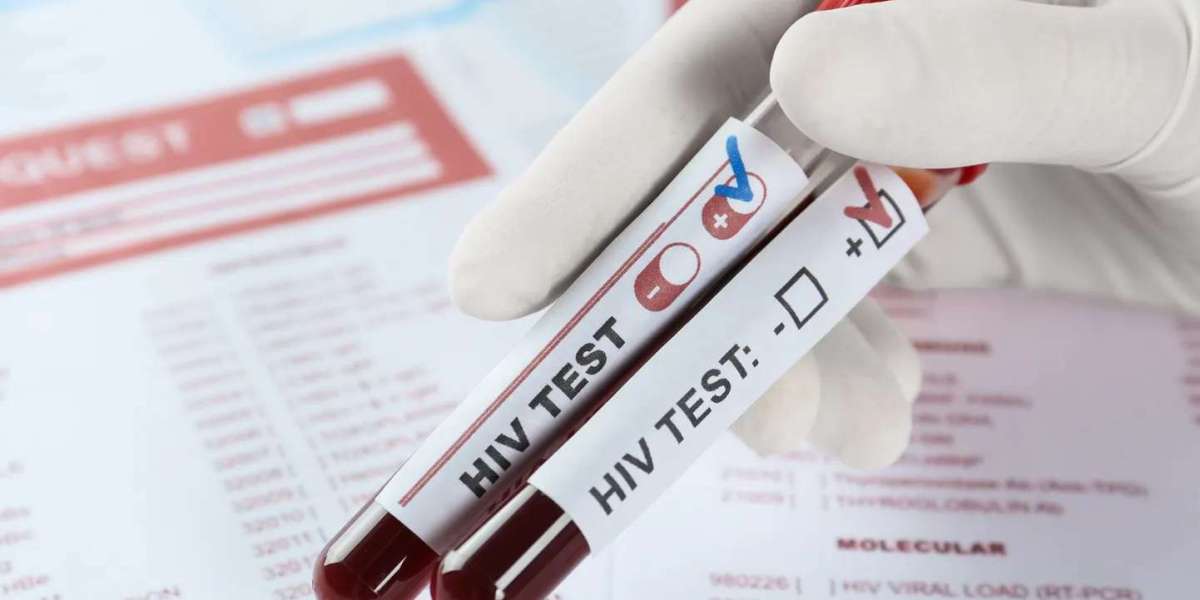

An HIV blood test is a routine medical tool used to check whether HIV infection can be detected. A doctor may recommend HIV testing for many different reasons, and being asked to take an HIV test does not automatically mean your doctor believes you have HIV.
Sometimes testing is part of routine preventive care. In other situations, a healthcare professional may recommend an HIV Blood Test in Dubai because of a recent possible exposure, certain symptoms, pregnancy, another sexually transmitted infection, or an upcoming medical procedure.
Understanding why HIV testing may be recommended can make the process feel more straightforward and help you understand what your result means.
HIV Testing Is Not Only for People With Symptoms:
One of the most common misconceptions about HIV testing is that a person needs to feel sick before testing is useful.
That is not true.
HIV can remain without noticeable symptoms for a long period. Some people may experience flu-like symptoms during acute HIV infection, while others may have no obvious signs at all.
For this reason, doctors may recommend HIV screening even when you feel completely healthy.
The CDC recommends that everyone between 13 and 64 years old be tested for HIV at least once as part of routine healthcare. People with certain risk factors may benefit from testing more frequently.
Routine HIV Screening:
A doctor may recommend an HIV blood test simply because it is part of preventive healthcare.
Routine screening can identify HIV in people who do not know they have the infection.
This is important because early diagnosis allows people to access effective treatment and learn about ways to protect their health and prevent transmission.
Routine screening may be especially useful when someone has never had an HIV test or has not been tested for a long time.
Being offered an HIV test should not automatically be interpreted as a sign that your doctor suspects infection. Screening is often a normal part of responsible healthcare.
A Possible Recent HIV Exposure:
Another common reason for HIV testing is a possible exposure to HIV.
Depending on the circumstances, exposure may involve contact with potentially infectious body fluids such as blood, semen, vaginal fluids, rectal fluids, or breast milk.
Your doctor may recommend testing after an exposure to establish your current HIV status and determine whether follow-up testing is appropriate.
The timing of the test matters because HIV cannot always be detected immediately after infection.
Understanding the HIV Window Period:
The HIV window period is the time between infection and when a specific HIV test can reliably detect evidence of infection.
Different tests have different detection periods.
According to HIV.gov, typical detection ranges include:
| HIV test | Typical detection range |
|---|---|
| NAT | 10 to 33 days after exposure |
| Laboratory antigen and antibody test | 18 to 45 days after exposure |
| Antibody test | 23 to 90 days after exposure |
These are typical ranges and are not guaranteed detection dates for every person.
If you test too soon after a possible exposure, your doctor may recommend another HIV test later.
Symptoms That Could Occur During Acute HIV:
A doctor may recommend HIV testing if you develop symptoms that could occur during acute HIV infection, particularly after a possible exposure.
Possible symptoms can include:
- Fever
- Rash
- Fatigue
- Sore throat
- Swollen lymph nodes
- Headache
- Muscle aches
- Night sweats
- Mouth ulcers
However, these symptoms are not unique to HIV.
They can occur with influenza, COVID-19, mononucleosis, and many other infections.
Some people with acute HIV infection have no symptoms at all.
Therefore, doctors use symptoms as part of the overall medical assessment rather than treating them as proof of HIV.
If recent infection is suspected, a healthcare professional may consider an antigen and antibody test and, in some situations, an HIV nucleic acid test.
You Have Another Sexually Transmitted Infection:
Your doctor may recommend HIV testing if you have been diagnosed with another sexually transmitted infection, or STI.
Having an STI can indicate a need for broader sexual health screening.
Depending on your circumstances, your healthcare professional may discuss testing for HIV, syphilis, gonorrhea, chlamydia, hepatitis, or other infections.
The purpose is comprehensive healthcare rather than assuming that one infection means you have another.
Regular STI screening can also provide an opportunity to discuss safer sex, condoms, PrEP, and other HIV prevention strategies.
Pregnancy and Prenatal Care:
HIV testing is also an important part of pregnancy care.
Testing during pregnancy helps identify HIV early so appropriate treatment and medical care can be provided.
This can substantially reduce the chance of transmission of HIV to the baby.
A person can have HIV without symptoms, which is why prenatal screening is important even when someone feels healthy.
If HIV is identified during pregnancy, the healthcare team can discuss treatment and other measures designed to protect both the pregnant person and the baby.
Reason 6: Starting PrEP
A doctor may recommend an HIV test before starting PrEP, or pre-exposure prophylaxis.
PrEP is medication used to reduce the risk of acquiring HIV.
Confirming HIV status is important because PrEP and HIV treatment are managed differently.
If someone has an undiagnosed HIV infection, a healthcare professional needs to identify it and provide an appropriate treatment plan rather than treating the person as HIV-negative.
HIV testing also forms part of ongoing monitoring for people taking PrEP.
You Need PEP After a Possible Exposure:
If you have recently experienced a possible HIV exposure, your doctor may discuss PEP, or post-exposure prophylaxis.
PEP involves taking HIV medication after a potential exposure to reduce the chance of infection.
It is time-sensitive.
HIV.gov recommends starting PEP as soon as possible and no later than 72 hours after potential exposure.
HIV testing may be performed as part of the evaluation, but you should not delay seeking PEP advice simply because you have not yet received a test result.
A Previous HIV Test Was Too Early:
Your doctor may recommend another HIV test because an earlier test was performed during the window period.
For example, an antibody test performed shortly after exposure may be negative even though infection has occurred.
This does not necessarily mean the test was inaccurate.
It may simply have been too early for the test to detect HIV.
Repeat testing after the appropriate interval can provide a more reliable answer.
Ongoing Risk of HIV Exposure:
Some people may benefit from regular HIV testing rather than testing only once.
A doctor may recommend periodic screening if you have ongoing circumstances that increase the likelihood of HIV exposure.
The appropriate frequency depends on individual risk factors and should be discussed with a healthcare professional.
Regular screening can help identify HIV earlier if infection occurs.
It also creates opportunities to discuss prevention options such as PrEP, condoms, and sexual health testing.
A Partner Has HIV:
A doctor may recommend HIV testing if a sexual partner has HIV.
The actual risk depends on factors such as the partner's viral load, treatment status, type of sexual exposure, and prevention measures.
A person with HIV who maintains an undetectable viral load through effective treatment does not transmit HIV through sex. This is known as U=U, or Undetectable = Untransmittable.
Even so, your healthcare provider may recommend testing based on your circumstances and help you understand prevention options.
Before Certain Medical Treatments or Procedures:
In some healthcare settings, HIV testing may be recommended or included as part of a broader medical evaluation.
The exact circumstances vary depending on the treatment, procedure, healthcare setting, and local policies.
If your doctor recommends HIV testing before a procedure, you can ask why the test is being requested and how the result will be used.
An HIV test is a medical test, not a judgment about your lifestyle or personal choices.
Symptoms That Require a Broader Medical Investigation:
Sometimes HIV testing is recommended because a doctor is investigating unexplained health changes.
For example, persistent fever, unexplained weight loss, recurrent infections, swollen lymph nodes, or other findings may prompt broader laboratory testing.
These symptoms have many possible causes and do not mean that a person has HIV.
Your doctor may order an HIV blood test alongside other investigations to make sure important conditions are not overlooked.
Which HIV Blood Test Might Your Doctor Use?
The type of HIV test depends on the clinical situation.
Laboratory Fourth Generation Test:
A fourth generation HIV test detects p24 antigen and HIV antibodies.
A laboratory antigen and antibody test using blood from a vein can usually detect HIV approximately 18 to 45 days after exposure.
This is commonly used for laboratory HIV screening.
HIV Antibody Test:
An antibody test looks for antibodies produced by the immune system.
It can usually detect HIV approximately 23 to 90 days after exposure.
HIV NAT:
A nucleic acid test, or NAT, detects HIV genetic material.
It can usually detect HIV approximately 10 to 33 days after exposure and may be considered when very recent infection is suspected.
Your doctor will determine which test is most appropriate based on your circumstances.
What Happens After Your HIV Blood Test?
Once the blood sample is collected, the laboratory analyzes it for the markers targeted by the particular test.
If the result is negative, it generally means HIV was not detected by that test. If the test was performed during the window period, however, your doctor may recommend repeat testing.
If the screening result is reactive, it does not automatically confirm HIV.
Additional testing is required.
Follow-up testing may include an HIV-1/HIV-2 antibody differentiation test. If the results are unclear, HIV RNA testing may help identify acute infection or determine whether the initial result was falsely reactive.
What Should You Tell Your Doctor Before Testing?
Accurate information helps your doctor choose the right testing approach.
Tell your healthcare professional:
- When a possible exposure occurred
- Whether you have had more than one possible exposure
- What type of exposure occurred
- Whether you have experienced recent symptoms
- Whether you have taken PEP
- Whether you use PrEP
- When your last HIV test was performed
- Whether you have been diagnosed with another STI
You do not need to determine which HIV test you need before your appointment.
Does an HIV Test Require Special Preparation?
Most standard HIV blood tests do not require complicated preparation.
Usually, you can eat and drink normally unless your healthcare provider has given you separate instructions because other blood tests are being performed at the same appointment.
The most important preparation is providing accurate information about your potential exposure and previous testing.
If you are unsure about the date of an exposure, give your best estimate.
When Should You Ask About HIV Testing?
You can discuss HIV testing with your doctor whenever you have concerns about your status.
Testing may be especially important if:
- You have never been tested.
- You had a possible recent exposure.
- You have an STI.
- You are pregnant or planning pregnancy.
- You are considering PrEP.
- You need evaluation for PEP.
- You have ongoing HIV exposure risk.
- You have symptoms that your doctor believes require HIV testing.
- Your previous HIV test was performed too early.
If a potential exposure occurred within 72 hours, seek medical advice promptly because PEP is time-sensitive.
Frequently Asked Questions:
Why would my doctor recommend an HIV blood test if I have no symptoms?
HIV can be present without noticeable symptoms. Routine screening helps identify infection early.
Does my doctor recommending HIV testing mean they think I have HIV?
Not necessarily. HIV testing may be recommended as routine preventive care, pregnancy screening, STI evaluation, or because of a possible exposure.
How soon can a blood test detect HIV?
A NAT can usually detect HIV around 10 to 33 days after exposure, while a laboratory fourth generation test generally detects HIV around 18 to 45 days.
What if my HIV test is negative after a recent exposure?
If testing occurred during the window period, your doctor may recommend repeat testing.
Can HIV symptoms tell me whether I need testing?
Symptoms cannot reliably diagnose HIV. Testing is necessary to determine whether infection is present.
What happens if an HIV screening test is reactive?
A reactive screening result requires additional testing. It should not be treated as a confirmed diagnosis until follow-up testing is completed.
Should I ask about PEP after a possible exposure?
Yes. If the exposure occurred within 72 hours, seek medical advice immediately about PEP.
Final Takeaway:
There are many reasons a doctor may recommend an HIV blood Lab tests, and the recommendation does not automatically mean that HIV infection is suspected.
Testing may be part of routine screening, pregnancy care, STI evaluation, assessment after a possible exposure, preparation for PrEP, evaluation for PEP, or investigation of certain unexplained health concerns.
The type and timing of HIV testing matter. A laboratory fourth generation antigen and antibody test can usually detect HIV approximately 18 to 45 days after exposure, while a NAT can generally detect HIV around 10 to 33 days. Antibody testing typically has a longer detection range of approximately 23 to 90 days.
A negative result obtained too early may require follow-up, while a reactive screening result requires confirmatory testing before HIV is diagnosed.
If you have experienced a possible HIV exposure within the last 72 hours, ask a healthcare professional about PEP immediately rather than waiting for symptoms or a test result.
Ultimately, HIV testing is a standard and valuable part of preventive healthcare. Understanding why your doctor recommends testing, which test is being used, and when it can detect infection can help you approach the process with greater confidence and make informed decisions about your health.