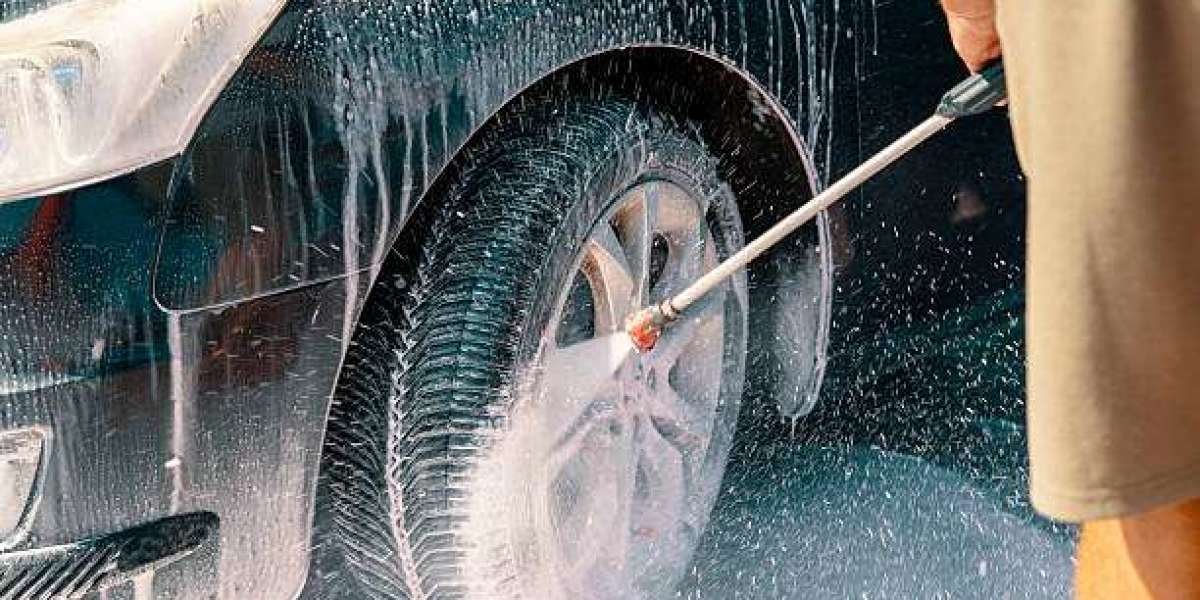

Most people book a car detail whenever they finally get fed up with how dirty their car looks. That's understandable, but it's not always the smartest move. Timing actually matters more than most people realize. Get it wrong and you're paying good money for a wax job that bakes off in a week or washes away the next morning. Get it right and your car cleaner stays longer, the protective coatings bond properly, and you sincerely feel like you got your money's worth. If you're in Southern California, booking Exterior Auto Detailing in Oceanside CA at the right point in the year can make a noticeable difference in how long those results actually hold up.
Why Spring Is the Best Window for a Full Detail
Spring is the sweet spot. After winter, your car has been through a lot, even in a mild-weather area. Road grime, pollen, tree sap from budding trees, and whatever moisture the rainy season brought in all sit on your paint and slowly work against it. Letting that stuff stay through the warmer months is a bad idea. A thorough spring detail strips all of it off before it gets baked into the clear coat by summer sun.
Temperatures in spring are also just right for detailing work. Not too hot, not too cold. Wax and sealant products bond best when applied in moderate temperatures, somewhere roughly between 55 and 85 degrees Fahrenheit. Spring lands usually right in that range. That means the products cure evenly and you get a better, longer-lasting finish than you would in peak summer heat.
Pollen is worth calling out specifically. It's mildly acidic. Left on the paint for weeks, it can etch into the clear coat, especially on dark-colored vehicles. A spring detail that includes a proper wash, clay bar treatment, and sealant application gives your paint a fighting chance against all the biological debris that comes with the season changing.
The Problem with Detailing in the Summer Heat
Summer isn't ideal. High heat causes products to dry too fast, which makes them harder to remove cleanly and can leave streaks or uneven patches in your wax or sealant. Direct sun is even worse. If you've ever watched a detailer wipe down a car in full sunlight on a 95-degree day, you've probably noticed how fast the product flashes off the surface before it's even spread properly.
That said, summer detailing isn't impossible. You just need to be smart about it. Early morning appointments, shaded work areas, and products formulated for higher temperatures all help. If you're in a coastal area like Oceanside, the marine layer in the morning keeps things cooler and gives you a decent window before the sun gets aggressive. Book early. Don't let them work on your car at noon in July.
UV exposure is also doing ongoing damage to unprotected paint year-round, but summer accelerates it. A quality sealant or ceramic coating applied before summer gives your clear coat something to hide behind. Without it, the sun is basically sanding your paint down one day at a time. Not dramatic, but real.
Detailing Before Fall and Winter Protects More Than You'd Think
A lot of car owners skip this one entirely. They figure winter is dirty season anyway, so why bother. But that's backwards thinking. A good detail before the rainy season, before temperatures start swinging, sets up a protective layer that makes all the winter makeup easier to wash off later. Rain, mud, road debris, and tree sap have a harder time bonding to a freshly sealed surface.
Think of it like waxing a surfboard before you paddle out, not after. The protection goes on before the damage starts. A pre-winter detail typically includes a thorough paint decontamination, a sealant or wax application, and sometimes a treatment on rubber seals and trim to keep them from drying out in the cold. Worth doing. Genuinely.
If you're using a local shop for Exterior Car Detailing in Oceanside CA, ask them specifically about a pre-winter protection package. Some shops offer bundled services geared toward seasonal prep. Shak's Shine Auto Spa is one option people use for this kind of seasonal work, and they're worth checking out if you're in the North County area.
Conditions You Should Avoid When Booking an Exterior Detail
There are a few situations where you should just wait. Extreme heat is one, as mentioned above. But freezing temps are equally problematic, since water in the cleaning process can cause issues and some products simply won't cure below a certain temperature. Not a huge concern in Oceanside, but still worth knowing.
Rain is trickier than people expect. You might think, "It's going to rain anyway, so I'll get it done right after." Bad call. Detailing right after heavy rain means the surface is still damp in spots, which interferes with wax adhesion. Detailing right before rain means your fresh sealant gets hit with water before it's had time to cure fully. Most professional detailers recommend at least 24 hours of dry weather on both sides of a detail appointment.
Direct sun on a hot surface is probably the most common condition people don't think to avoid. The EPA notes that UV radiation and surface heat contribute significantly to vehicle surface degradation over time. A detail done in those conditions isn't wasted, but it's working against you. Shade, cooler temps, and dry weather are your friends.
How Often Does Your Car Actually Need a Full Detail?
Honest answer? It depends. Most passenger cars driven in normal suburban conditions do well with a full exterior detail two or three times a year. That usually lines up naturally with the seasonal logic above: once in spring, once before winter, and maybe a touch-up mid-summer if you're particular about it.
Between those full details, a maintenance wash every two to four weeks keeps contaminants from building up and makes the next full detail easier and cheaper. If you park outside, live near the coast where salt air is a factor, or drive a lot of highway miles, you're on the more frequent end of that range. Garage-kept cars with low mileage can stretch it out a bit longer without issue.
For anyone getting Exterior Car Detailing in Oceanside CA regularly, the coastal environment does matter. Salt air is real. It doesn't eat paint overnight, but it builds up, and a car that sits near the ocean without regular protection is going to show its age faster than one that doesn't. Two to three full details a year, with consistent maintenance washes in between, is a reasonable baseline for this area.
Frequently Asked Questions
Is spring really the best time to detail a car, or does it depend on where you live?
Spring is the best starting point for most people. The temperatures are moderate, which helps products bond correctly, and you're cleaning off everything that built up over winter. In Southern California, the logic still holds, even without heavy snow, because pollen season and the tail end of rainy season both leave real deposits on your paint.
Can I get my car detailed in summer if I live somewhere hot?
Yes, but book early morning appointments and ask if the shop has shaded work bays. Avoid midday heat if you can. Some detailing products are formulated specifically for higher temps, so a good shop will adjust their process. It's not a dealbreaker, just something to plan around.
How long should I wait after a detail before driving in the rain?
Most detailers suggest at least 24 hours of dry weather after a wax or sealant application. Some ceramic coatings need even longer, sometimes 48 to 72 hours, before they're fully cured. Ask your detailer specifically, since cure times vary by product.
What's the difference between a full detail and a maintenance wash?
A full detail usually includes decontamination, clay bar treatment, polish if needed, and a protective coating like wax or sealant. A maintenance wash is just a thorough exterior clean to remove surface dirt. Maintenance washes are done more often and keep your detail looking fresh between the bigger appointments.
Does living near the ocean affect how often I should detail my car?
It does. Salt air is corrosive over time and settles on paint, glass, and trim. Cars parked near the coast benefit from more frequent maintenance washes and at least two or three full details a year. Exterior Auto Detailing in Oceanside CA is something locals should take a little more seriously than people in inland areas, simply because the environment is harder on vehicle surfaces.