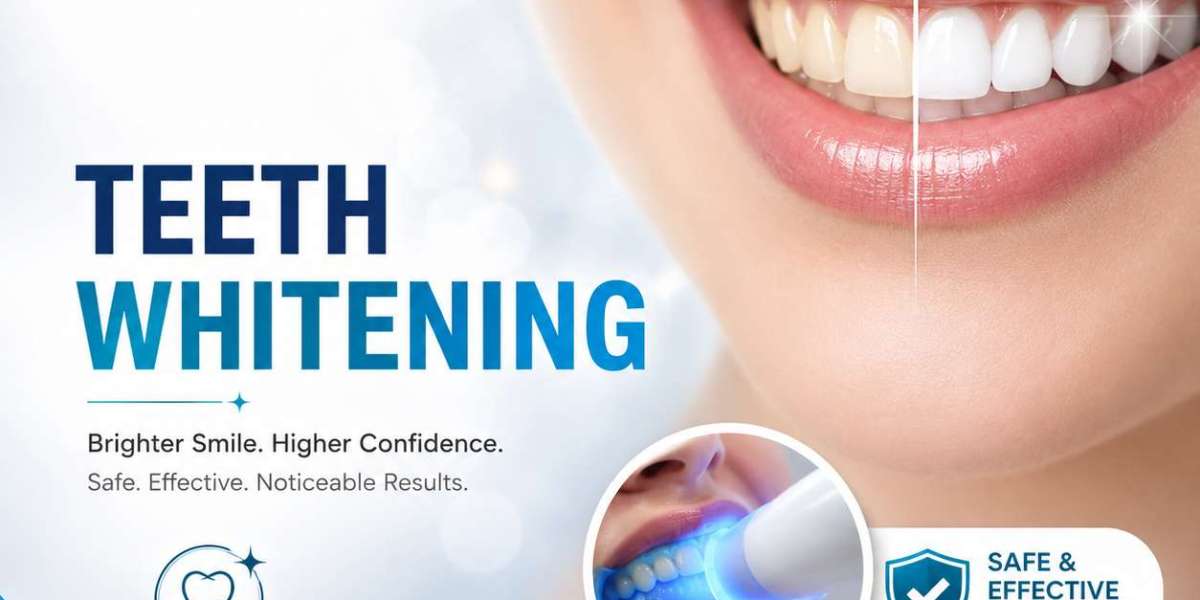

Smoking can have a significant effect on the appearance of your teeth and may reduce how long teeth whitening results remain noticeable. Tobacco smoke contains substances that can contribute to yellow and brown discoloration, making it more difficult to maintain a bright smile.
If you are considering teeth whitening in Islamabad, understanding how smoking affects whitening can help you make better decisions about treatment and aftercare.
Why Does Smoking Stain Teeth?:
Tobacco contains nicotine and tar, which can contribute to tooth discoloration. Nicotine can appear relatively light initially but may become yellowish when exposed to oxygen. Tar can also contribute to darker stains that accumulate on the tooth surface.
With repeated smoking, these substances can build up and make teeth appear increasingly yellow or brown. Professional whitening can reduce some of this discoloration, but continued smoking can cause new stains to develop.
Can Smokers Still Get Teeth Whitening?:
Yes, smokers can generally discuss professional teeth whitening with a dentist. However, the dentist may first examine the teeth and gums to determine whether whitening is appropriate.
If there is significant plaque, tartar, gum inflammation, cavities, or other dental problems, these may need to be addressed before cosmetic whitening. Professional treatment can also help determine whether the discoloration is likely to respond well to whitening.
When researching teeth whitening prices in Pakistan, consider the complete treatment process, including dental assessment, whitening procedure, and aftercare guidance.
Does Smoking Make Whitening Results Fade Faster?:
Smoking can contribute to faster return of discoloration because teeth continue to be exposed to tobacco-related staining substances after whitening.
Even if you achieve a noticeably brighter smile, regular smoking may gradually make the teeth darker again. The more frequently a person smokes, the greater the ongoing exposure to substances that can stain the teeth.
Should You Stop Smoking Before Whitening?:
If possible, reducing or stopping smoking before and after whitening can help support better cosmetic results. It can reduce continued exposure to staining substances and may make it easier to maintain a brighter smile.
Your dentist can provide personalized advice based on your oral health and whitening goals. If you are considering quitting tobacco, professional support can also be helpful.
What Happens If You Smoke Immediately After Whitening?:
Smoking immediately after whitening may expose freshly treated teeth to staining substances at a time when you are trying to maintain the treatment result.
For this reason, your dentist may recommend avoiding tobacco and strongly colored foods and beverages for a specific period following whitening. Follow the aftercare instructions provided for your particular treatment.
Can Professional Whitening Remove Smoking Stains?:
Professional whitening can reduce many types of tobacco-related discoloration, particularly stains affecting natural teeth. However, the amount of improvement depends on how deep and extensive the staining is.
Some heavy surface stains may respond better after a professional dental cleaning. If discoloration is internal or related to another dental condition, whitening alone may not provide the desired result.
Does Smoking Cause More Than Tooth Staining?:
Smoking affects more than tooth color. Tobacco use can contribute to bad breath, gum problems, plaque buildup, and other oral health concerns.
Because healthy teeth and gums are important for cosmetic dental treatments, a dental examination before whitening is recommended. Addressing oral health problems can help create a healthier foundation for cosmetic treatment.
How Can Smokers Maintain Whitening Results?:
If you continue smoking, maintaining whitening results may require greater attention to oral hygiene. Brush twice daily with fluoride toothpaste, floss regularly, drink water, and attend routine dental checkups.
Professional cleanings can help remove plaque and surface deposits. However, these steps cannot completely prevent tobacco-related staining while smoking continues.
Can Whitening Toothpaste Help?:
Whitening toothpaste can help remove some surface stains and may be useful for maintaining a cleaner-looking smile. However, it generally cannot provide the same level of whitening as professional bleaching treatment.
Avoid using abrasive products excessively, as aggressive or overly frequent use may contribute to enamel wear and sensitivity.
When Should You Visit a Dentist?:
If you have heavy smoking stains, persistent discoloration, gum bleeding, tooth sensitivity, or other oral health concerns, schedule a dental examination before whitening.
A dentist can assess the condition of your teeth and gums and recommend whether cleaning, whitening, or another cosmetic treatment would be most appropriate.
For professional dental care and cosmetic treatment options, visit Dental Aesthetic Studio.
Final Thoughts:
Smoking can affect teeth whitening results by causing new stains and making a bright smile harder to maintain. Professional whitening may reduce existing tobacco-related discoloration, but continued smoking can cause the stains to return over time.
Reducing or stopping smoking, maintaining good oral hygiene, attending regular dental checkups, and following professional aftercare advice can help you maintain a brighter, healthier-looking smile for longer.